A message from our friends at Porter & Company
My name is Porter Stansberry.
I’m the founder of one of the largest financial research firms in the world. Over the last 26 years we’ve helped investors navigate almost every major economic cycle.
We’ve also been on the forefront of every big financial story from the rise of Bitcoin and MRNA vaccines to robotics and artificial intelligence – just to name a few.
But today, I’m breaking the biggest story of my career…
An economic story the likes of which we’ve not seen in centuries. In fact, the last – and only time – this happened was in 1776. But now, on the eve of America’s 250th anniversary, it’s happening again.
And as you’ll discover today, the aftershock of this event could “reset” not just your personal wealth, but the entire U.S. economic system:
How you work, how you vote, how you protect and build your wealth… it’s all being turned upside down by what one famous Stanford economist says is:
“The biggest change ever… bigger than electricity… bigger than the steam engine.”
Yet almost nobody is prepared for it. So, if you’ve been watching the chaos of the past year unfold, struggling to understand what it all means… you’re about to get many – if not all – of the answers you’ve been searching for.
And, most importantly, what it all means for you, your money, and your investment portfolio in the months ahead
Because as you’ll discover, everything from the government taking stakes in companies like Intel, Lithium Americas, and MP Materials.
To Trump’s strike on Venezuela… his deal with Greenland… his seemingly never-ending slew of executive orders… and increasingly centralized grip over the economy…
All the way to the surging popularity of radical socialist politicians like Bernie Sanders, AOC, and Zohran Mamdani…
It’s all deeply and inexorably intertwined in what is, without a doubt, the most consequential story of the year.
A turning point that one Nobel Prize winner says is dividing not just the economy but our entire society.
And, as my guest and I explain, the financial decisions you make in the face of this New 1776 Moment… they could dictate whether you’re enriched, left stuck in the past, or potentially even impoverished by the seismic changes barreling down upon America.
The stocks to buy… the stocks to sell… and the three money moves to ensure you and your loved ones end up on the winning side of this new economic reality.
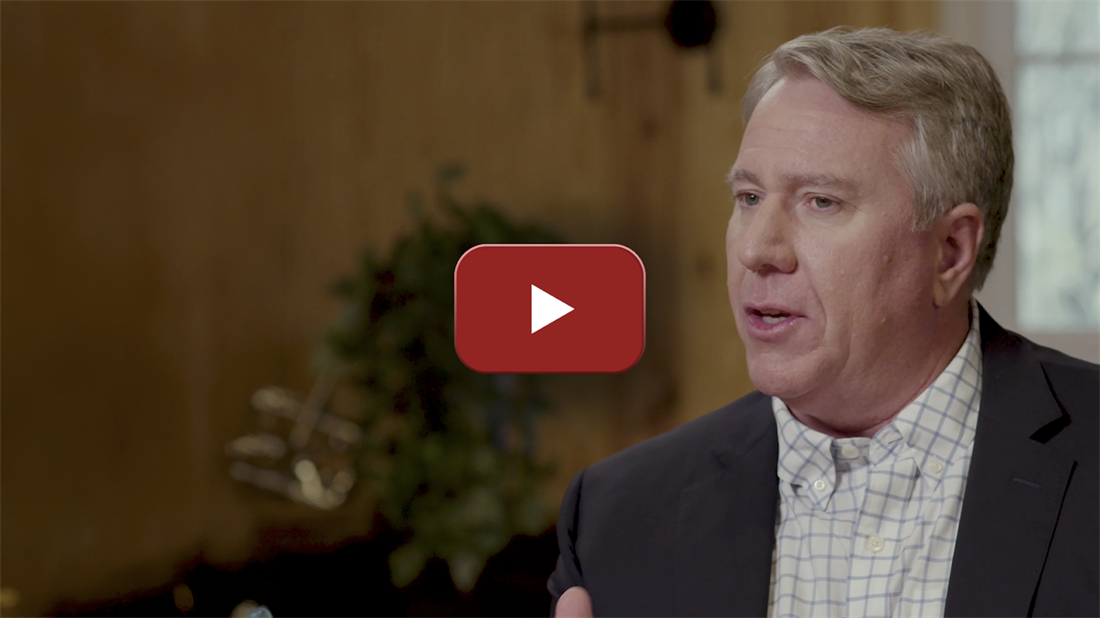
It’s all laid out here for you…
Good investing,
Porter Stansberry
Just For You
Feeling Bearish? Try These ETFs That Take a Contrarian Approach
By Nathan Reiff. Originally Published: 2/23/2026.

Key Points
- The most-traded ETFs taking a short strategy have one-month average trading volumes above 53 million, ensuring liquidity for active traders.
- Three notable and highly traded bearish ETFs include SOXS, ZSL, and NVD.
- These funds provide leveraged inverse exposure to semiconductor stocks, silver, and NVIDIA shares, respectively.
- Special Report: This makes me furious (From The Oxford Club)
The S&P 500 rose about 17% in 2025 but has been essentially flat so far in 2026, leaving investors to wonder whether a prolonged rally is about to give way to a major selloff—or whether the AI-driven rally has simply been overhyped. Pessimists may prefer to focus on steadier names, including dividend payers, that can better withstand potential volatility.
Others may favor a more active bearish approach, wagering that the broader market or specific segments will weaken. Fortunately, exchange-traded funds (ETFs) offering short or inverse exposure cover many strategies and sectors. While chasing the latest popular funds isn’t always prudent, trading volume can be telling about where investors are placing bearish bets. Below are three aggressively bearish ETFs that have also seen heavy trading activity.
SOXS Is a Highly Leveraged Inverse Semiconductor Play
ALERT: Drop these 5 stocks before the market opens tomorrow! (Ad)
The Wall Street Journal is asking whether a stock market crash is coming. Research from Weiss Ratings suggests the first half of 2026 could be very tough for certain stocks as a radical shift hits the market. Some of America’s most popular names could take serious damage. Analysts have identified five stocks you should consider avoiding before this event plays out. If these are in your portfolio, you’ll want to review your positions carefully.See the five stocks to avoid and learn what’s driving this shift.
The Direxion Daily Semiconductor Bear 3x Shares (NYSEARCA: SOXS) is a highly leveraged (and therefore high-risk) bet against semiconductor stocks. The fund seeks -3x the daily performance of the NYSE Semiconductor Index, meaning it targets -300% of the index’s daily return.
Daily declines across the semiconductor space can translate into amplified gains for SOXS holders, but modest gains in the sector can similarly produce magnified losses for the ETF.
Because SOXS is a daily-leveraged fund that resets each trading day, it is designed for short-term trading rather than buy-and-hold investing. Active traders should find liquidity ample: SOXS’s one-month average volume is about 599 million shares, and assets under management are roughly $1 billion.
Investors pay a premium for this strategy—the expense ratio is 0.97%—but the potential for outsized returns on days when semiconductor stocks fall may justify the cost for bearish traders.
A Bearish Play on Daily Silver Price Movement
After a meteoric rise in much of 2025, silver plunged early in 2026, suggesting the rally had run its course. Still, silver is up roughly 141% over the last year and about 14% year-to-date (YTD), far outperforming the S&P 500 over those periods.
Investors expecting another pullback might consider the ProShares UltraShort Silver (NYSEARCA: ZSL), which seeks -2x daily exposure to silver via the Bloomberg Silver Subindex using futures contracts. Because ZSL is based on futures rather than spot silver, its returns can deviate from spot-price moves, particularly over longer holding periods.
Like SOXS, ZSL’s -2x exposure resets daily, so it’s intended for short-term tactical use. Liquidity is strong—ZSL’s one-month average volume is about 349 million shares—so active traders should not face execution issues. The fund’s expense ratio is 0.95%.
Double Inverse Exposure to the World’s Largest Public Company
As the largest publicly traded company, NVIDIA Corp. (NASDAQ: NVDA)serves as a bellwether for tech, AI and, at times, the broader market. Despite shares rising nearly 1,200% over the past five years, NVDA remains vulnerable to sharp daily selloffs. The GraniteShares 2x Short NVDA Daily ETF (NASDAQ: NVD) aims to profit from those declines by seeking -2x the daily return of NVIDIA’s common stock.
NVD is designed to perform well on days when NVDA drops. Its trading volume is lower than the commodity and semiconductor inverse funds above but is still substantial for active traders—NVD’s one-month average volume is around 53 million shares.
The trade-off for the fund’s targeted exposure is a relatively high expense ratio of 1.35%. For traders who can time short-term moves in NVDA, the potential returns on down days may outweigh that cost.
All three ETFs described are structured for short-term, active trading and carry elevated risks, including leverage, daily reset behavior and tracking differences. They are generally unsuitable for long-term buy-and-hold strategies. Investors should understand these risks, consider how these funds fit their objectives, and consult a financial advisor if unsure.
Thank you for subscribing to TickerReport, where we work around-the-clock
to bring you the latest market-moving news.
This email is a sponsored message for Porter & Company, a third-party advertiser of TickerReport and MarketBeat.
Contact Us | Unsubscribe
Copyright 2006-2026 MarketBeat Media, LLC dba TickerReport. All rights reserved.
345 N Reid Pl., Sixth Floor, Sioux Falls, South Dakota 57103. United States of America..

 RJ Hamster