
for Subscribers Only
April 8, 2026
Statins: New Guidelines Aim at Prevention but Create More Patients

by Sheramy Tsai
BSN, RN

Good morning,
Imagine walking into your doctor’s office feeling completely fine and walking out with a prescription for a condition you may not face for another 30 years.
That’s the reality I kept coming back to while reporting this week’s story on the new 2026 cholesterol guidelines. People in their 30s and 40s are now being pulled into earlier cholesterol screenings, specialized tests like lipoprotein(a) or coronary calcium scans, and, in many cases, statin regimens designed to last a lifetime.
On paper, it’s smart prevention. Heart disease is the leading cause of death in the United States, and supporters argue that catching risk earlier and keeping LDL “lower for longer” could stop cardiac events before they happen.
But at what cost?
While statins are a cornerstone treatment for high cholesterol, they are not without trade-offs. Muscle pain, fatigue, and a small increase in diabetes risk have all been widely reported.
But there is also a quieter cost, the shift that happens when someone who feels healthy begins to see themselves as a patient. It is a subtle move from being well to being labeled “at risk.” As cardiologist Dr. Rita Redberg put it, “There is a measurable decrement to quality of life to taking a pill every day.”
And once the numbers improve with drugs, it can be easy to assume the deeper problem has been handled. Better food, more movement, solid sleep, less stress, all the things that matter most, can begin to fall by the wayside.
While the guidelines emphasize these lifestyle habits, the reality of the exam room is different. In a system defined by 15-minute visits, many primary care doctors do not have the time the guidelines require. There is rarely enough time to run the calculations, consider family history, review inflammation markers, and talk through the real trade-offs of starting a daily medication. In a rushed system, tests and pills are easier.
It’s important to know that a small drop in risk can matter a great deal across a population. But for one person, that same benefit may feel much less clear, especially when the payoff may never be felt directly.
That is where patients have to take some control: ask what the benefits of statins are for you, what are the trade-offs, and whether there is time to start with lifestyle changes before moving to a pill.
A risk score is not a command; it’s the start of a conversation.
Wishing you a healthy body and mind,
READ FULL ARTICLE HERE
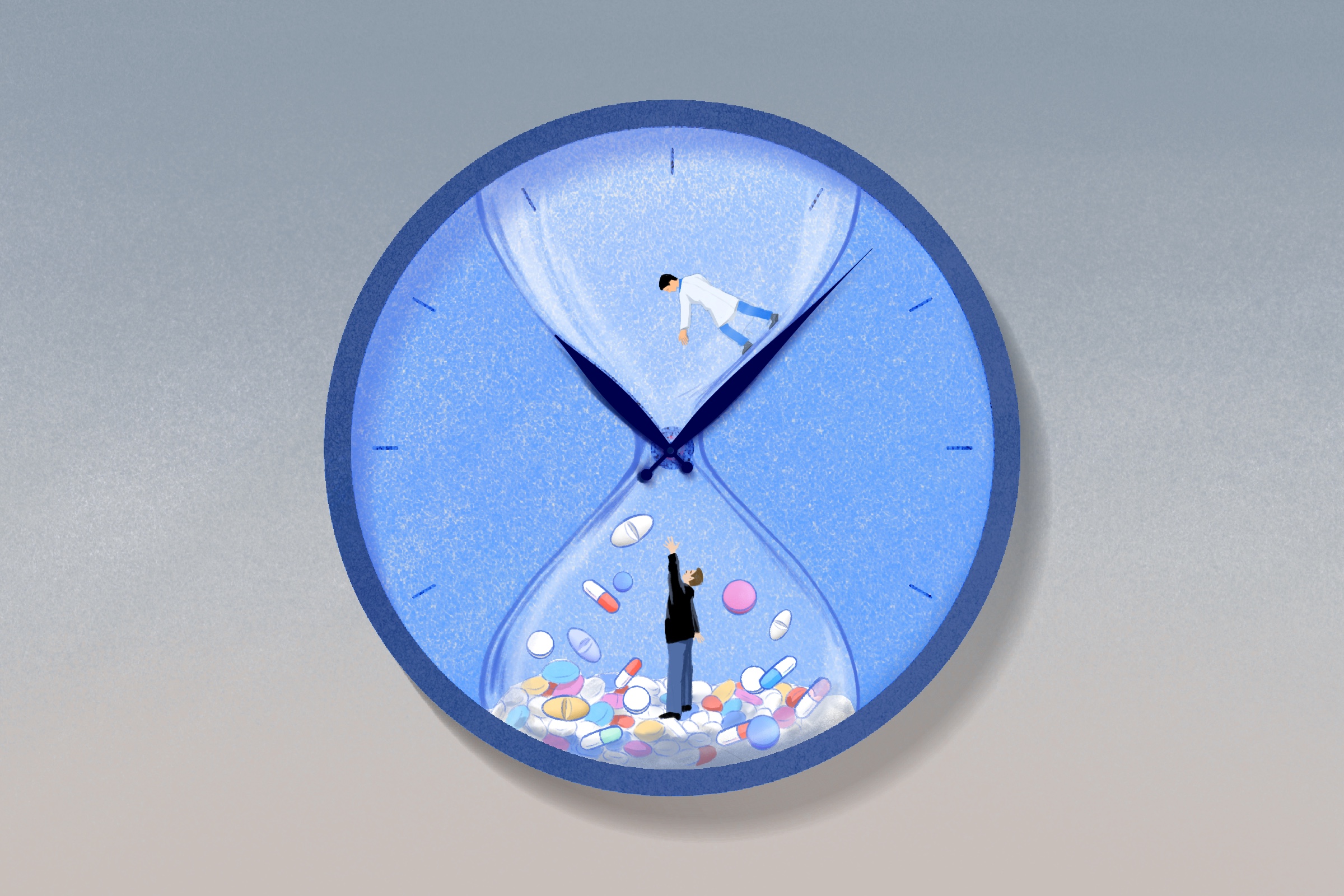
Statins: New Guidelines Aim at Prevention but Create More Patients


More on Cholesterol
Statins and GLP-1s: Two Blockbuster Drugs, One Overlooked Problem
A small but rigorous study suggests statins may suppress GLP-1, a key hormone involved in blood sugar control, appetite, and weight.
4 Ways to Lower Cholesterol Without Statins
Diet, exercise, targeted supplements, and nonstatin medications may help lower cholesterol, especially for people who cannot tolerate statins or want other options.
Risk Assessment Report Suggests Fewer Americans Need to Take Statins
The PREVENT heart risk calculator suggests millions of Americans may be less likely to benefit from statins than earlier guidelines indicated.
Thanks for reading. Stay tuned for our next edition coming your way next week.
Want to wake up with us every morning?
Subscribe to Rise & Shine.
Thank you for being a subscriber!
If you love this newsletter, please share it with your friends and let them know they can sign up and browse all of our newsletters here.
Your Feedback
We’d love to hear from you. If you have any suggestions for us to improve or a wellness story that you’d like us to cover, you can email me at healthnewsletter@epochtimes.nyc
We may feature an excerpt of your response in the next newsletter.


You are receiving this email because you subscribed to The Epoch Times.
The information in this newsletter is not intended to replace a one-on-one relationship with a qualified health care professional and is not intended as medical advice. It is intended as a sharing of knowledge and information from the research and experience of many experts and journalists. The Epoch Times encourages you to make your own health care decisions based upon your research and in partnership with a qualified health care professional.
Copyright © 2025 The Epoch Times.
All rights reserved.
229 W 28th St, Fl.5, New York, NY 10001
Terms & Conditions | Customer Service | Privacy Policy| Manage Email Preferences Unsubscribe

 RJ Hamster