
MOUNTAIN VIEW HEADACHE AND SPINE* | 4729 E UNION HILLS DR STE 111 | PHOENIX, AZ 85050 US
MOUNTAIN VIEW HEADACHE AND SPINE* | 4729 E UNION HILLS DR STE 111 | PHOENIX, AZ 85050 US
You are subscribed to this email as: peterhovis@icloud.com

You’re not currently a member. When news happens, Phoenix New Times is there —
Your support strengthens our coverage. CONTRIBUTE NOW



We shattered the previous record by more than a week. Counterintuitively, that could mean good things for summer.
By Zach Buchanan
Arizona has many people on Forbes’ billionaires list in 2026. These 10 are rolling in the most dough.
By Morgan Fischer
From construction projects to rush hours that feel more like rush afternoons, these stretches of road test our nerves.
By Zach Buchanan
In 2025, we got a big investigative grant. Since then, we’ve used the funding to report on local and national corruption.
By Zach Buchanan


Katie Hobbs is adding to her vetoes record in 2026, swatting down SNAP crackdowns and a Charlie Kirk-related bill.
By Zach Buchanan
Phoenix police officers have killed five people in the last two and a half months. There were 11 police killings last year.
By Zach Buchanan
Nearly 14% of tobacco retailers failed inspections by the Attorney General’s Office. These smoke shops failed the most.
By Morgan Fischer


TRENDING

It’s not clear what prompted officers to shoot Jesus Florez — who may have been unarmed — on Feb. 27.
By Zach Buchanan
A year ago, Rafael Montoya died after a security guard cold-cocked him. Two Phoenix police officers stood by and watched.
By Clarissa Sosin
The Phoenix congresswoman said she believes ICE is hiding wrongdoing in the death of Emmanuel Damas: “How does a toothache lead to somebody’s death in a matter of weeks?”
By Morgan Fischer



Love New Times? Thanks to a recent Google update, you can now select us as a preferred source to see our stories first in search results. Thank you in advance for your ongoing support of local journalism.
Manage Profile | Unsubscribe
To ensure you receive our emails, please add inbox@phoenixnewtimes-insider.com to your address book.
You are receiving this advertisement newsletter because you have signed up on our website or at an event, participated in a promotion, or purchased a ticket to an event. Thank you for your patronage.
© 2026 Phoenix New Times, LLC. All rights reserved.
1201 E. Jefferson
Phoenix, AZ 85034

Peter,
9th Grade On-Track programs work. How do we know? Because we have the data to prove it.
Support 9th Grade On-Track programs
At the end of the first semester, on-track rates at every school in Arizona with 9th Grade On-Track programs had seen their on-track rates rise to 87%. For Native American student and male students, the increases were even more pronounced.
Standing with you,
Jacob Sumner, Marketing and Communications Manager
Stand for Children Arizona


Stand for Children Arizona is a unique catalyst for educational success and social progress, to create a brighter future for us all.
If you believe you received this message in error or wish to no longer receive email from us, please unsubscribe.
Trouble viewing email? Click here
You are subscribed to this newsletter as: peterhovis@icloud.com



“Little Orchestra” Pink Martini Comes to Chandler March 27
Pink Martini blends jazz, classical, swing, and Latin rhythms into a vibrant, genre-defying performance. This “little orchestra” captivates audiences with its dynamic mix of melodies and multilingual flair, featuring a rotating lineup of musicians and vocalists. Coming to Chandler Center for the Arts on March 27. Get your tickets!

Carnivale of Masks at the Renaissance Festival!
Mystery swirls through the lanes as masked revelers delight in games, pageantry, and grand disguises. Who will you be? There are ONLY TWO MORE WEEKENDS left of the 2026 Renaissance Festival!!! Experience all the festival excitement: comedy, shopping, feasting, action, adventure, and surprises around every corner! Get your tickets now at Arizona.Renfestinfo.com.






The Sexiest After-Party for Baseball Fans! ⚾️
The games are just the beginning! After the final out, head to the Great Alaskan Bush Co for the best adult entertainment experience in Phoenix. Whether you’re celebrating a win or shaking off a loss, enjoy world-class dancers, a full bar, and the highest-energy atmosphere in AZ. Make your Spring Training legendary—the real action starts here!
READ MORE ►
Phoenix’s Dopest 4/20 Block Party is Back!
Get ready for Buds-a-Palooza 2026, the ultimate 4/20celebration in Phoenix! Experience the “Green Mile” with 3 stages of live music headlined by Chali 2na & Passafire, Trulieve’s silent disco, stand-up, stoner movies, glassblowing, mural artists, a 420 Bud Drop & the best food and munchies in the Valley. Whether you’re here for the vibes or the craft, don’t miss AZ’s premier cannabis culture festival. Tickets at budsapalooza.com!
READ MORE ►
Meet Us at Reggae Rise Up Arizona for 3 Days of Music & Good Vibes! 🔊
Get ready for 3 unforgettable days at Reggae Rise Up Arizona Festival 2026, April 17-19 at Tempe Beach Park! Enjoy an epic lineup of your favorite artists, immersive art, local eats, & a community that feels like home. This is more than a festival, it’s an experience. Festival tickets on sale now!
READ MORE ►
The Road to Country Thunder Runs through Florence on April 4!
Get ready, country music fans! Road to Country Thunderis back for 2026! On Saturday, April 4th, join us in Downtown Florence on Main Street from 3-10pm for food, fun, beer, and music!
READ MORE ►
The Ultimate Spring Training Post-Game Spot!
Fuel your Spring Training fever at La Fonda Del Sol! Located just minutes from the diamond, we’re the perfect home base for sizzling fajitas, crispy tacos, and our famous margaritas. Whether you’re celebrating a win or relaxing after a day in the sun, join us for authentic Mexican flavors and the best post-game atmosphere in Scottsdale. Swing by and see us today!
READ MORE ►
Now Hiring Compassionate Direct Support Professionals!
Join Creative Innervisions as a Direct Support Professional! Support adults with disabilities. $15/hr+, flexible FT/PT, no experience needed. Call (602) 265-8007!
READ MORE ►

WIN 2 TICKETS TO ROSÉ DISCO TEMPE! 🍷

Enter to Win 2 Tickets to see Mark Farner’s American Band at Celebrity Theatre!


To ensure you receive our emails, please add inbox@phoenixnewtimes-insider.com to your address book.
You are receiving this advertisement newsletter because you have signed up on our website or at an event, participated in a promotion, or purchased a ticket to an event. Thank you for your patronage.
© 2026 Phoenix New Times, LLC. All rights reserved.
1201 E. Jefferson
Phoenix, AZ 85034
































2027 Schedules Revealed For IMSA WeatherTech SportsCar Championship, IMSA Michelin Pilot Challenge
2026 IMSA Hall Of Fame Class Unveiled At Sebring
Commemorative Logo Unveiled For
75th Mobil 1 Twelve Hours Of Sebring
Mobil 1 Twelve Hours Of Sebring
Entry List
Mobil 1 Twelve Hours Of Sebring
Weekend Schedule
Mobil 1 Twelve Hours Of Sebring
Spotters Guide
Fresh Batch Of New Liveries Premiere On Wednesday In Sebring
TireRack.com, Michelin To Be Featured On New Ulmann Straight Bridge At Sebring
Hawksworth Clocks 100 Races
For Lexus
IMSA Mourns Loss Of Hall Of Famer Bob Tullius At Age 95
The Secret History Of The Twelve Hours of Sebring | IMSA Untold Stories With Mark Raffauf
The Best Sebring 12 Hour Finishes Of All Time!
Episode 27: Connor De Phillippi And Friends Of IMSA Roundtable | IMSA Endurance Hour Podcast
Entry List Notebook – Alan Jay Automotive Network 120 At Sebring
TR3, RAFA, Forty7, Topp Sort Lamborghini Super Trofeo 2026 Lineups
Lamborghini Super Trofeo North America Set To Start Its 14th Season In Sebring
Porsche Carrera Cup North America Preps Sixth Season, Debuts New Car At Sebring
Mustang Challenge Starts New Season In Sebring
Franco Powers To Ferrari Challenge Victory At Thermal
International Motor Sports Association, LLCOne Daytona Blvd.Daytona Beach, FL 32114UnsubscribeUpdate Profile | About our service providerSent by insider@imsa.com
Not interested – Unsubscribe Here

Fresh Broccoli Salad: a rainy-day celebration with crunchy, savory seeds.


Auntie’s Famous Chicken Noodle Casserole shines with its nostalgic flavors and comforting layers, perfect for cozy nights in.

Dressed-Up Skirt Steak Tacos with beer marinade, perfect for meet-the-parents dinner.


The right card can help you take control. With a 0% intro APR, you can pay off your balance.

Cream Soda Cake adds fizzy retro charm to celebrations with ease.

Asian Beef Kabobs combine juicy beef with vibrant fruit, perfect for celebrating game-day victories.

The Definitive Guide to Retirement Income from Fisher Investments can help you design a strategy to support your ideal lifestyle.

Celebrate ultimate freedom with herbed tuna salad, perfect for impromptu rooftop picnics.

Taco Taters, a hearty mix of beef and potatoes, makes for a crisp, cozy meal.


Hey Recipe,LLC
1021 E Lincolnway Unit #229,Cheyenne,WY 82001
This email contains promotional content and advertisements from our partners.
Unsubscribe | Contact Us | Privacy Policy
You are subscribed to this email as: peterhovis@icloud.com

You’re not currently a member. When news happens, Phoenix New Times is there —
Your support strengthens our coverage. CONTRIBUTE NOW


Here’s when and how to see the delightful phenomenon at its peak.
By Benjamin Leatherman

Everything to know about the annual event that starts this weekend.
By Benjamin Leatherman

The sleek new plate will end up benefiting a number of children’s charities.
By Jennifer Goldberg
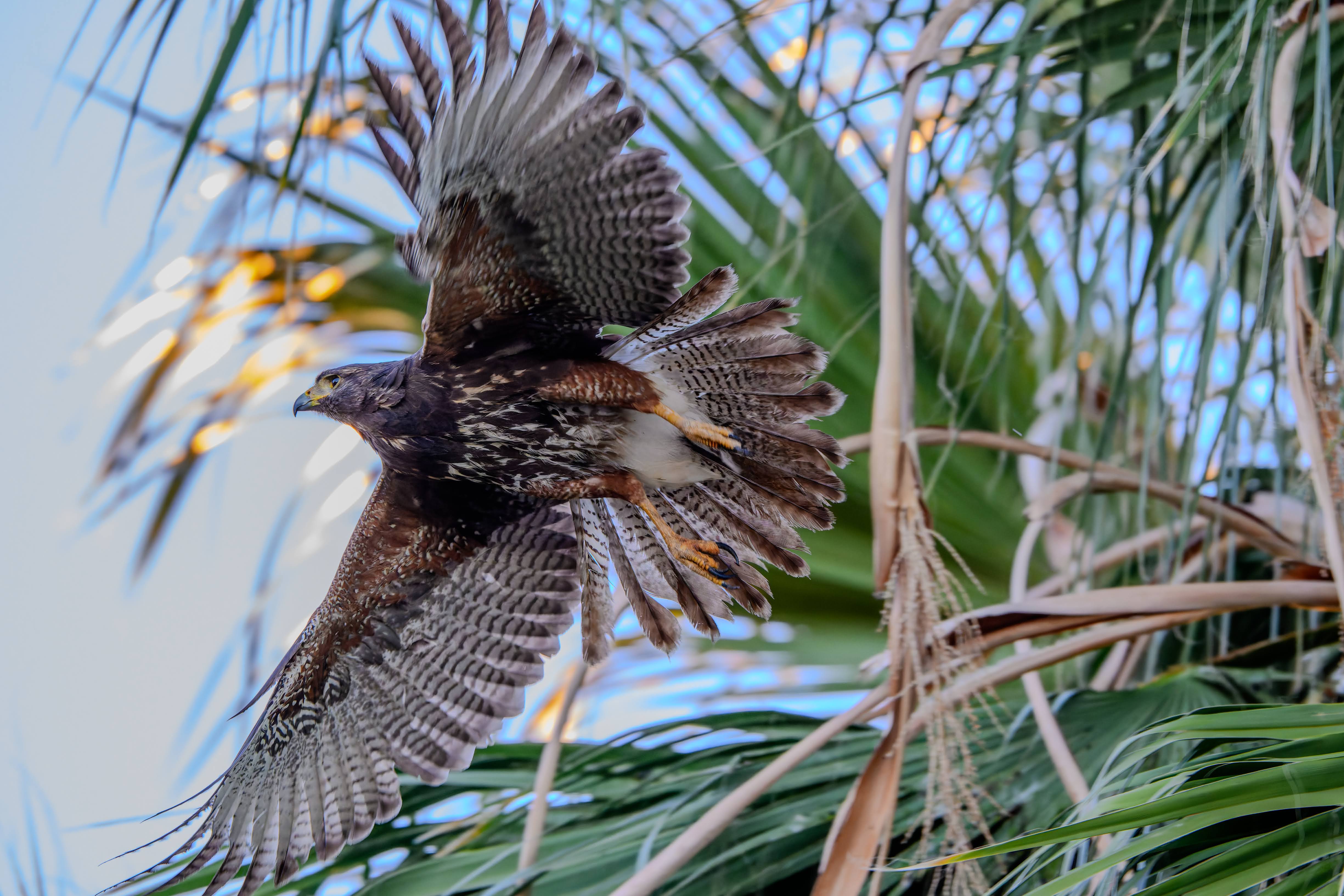
Want a free, fun, fresh-air hobby? Check out bird-watching.
By Geri Koeppel

OUR MOST READ STORIES

Three shows next week were just announced this morning, and tickets are going fast.
By Jennifer Goldberg

The historic space, dating back to 1918, will close after years of hosting concerts, weddings and events.
By Benjamin Leatherman

TRENDING
EVENTS

The annual month-long arts extravaganza is back.
By Benjamin Leatherman

Get ready to laugh this year at these events around the Valley.
By Christina Fuoco-Karasinski



Love New Times? Thanks to a recent Google update, you can now select us as a preferred source to see our stories first in search results. Thank you in advance for your ongoing support of local journalism.
Manage Profile | Unsubscribe
To ensure you receive our emails, please add inbox@phoenixnewtimes-insider.com to your address book.
You are receiving this advertisement newsletter because you have signed up on our website or at an event, participated in a promotion, or purchased a ticket to an event. Thank you for your patronage.
© 2026 Phoenix New Times, LLC. All rights reserved.
1201 E. Jefferson
Phoenix, AZ 85034
Dear Peter,
National parks preserve our landscapes, history and culture — but without their continued protection and support, the heart of the American story is lost.
NPCA’s new President and CEO Tiernan Sittenfeld will lead a conversation with Alan Spears, Senior Director of Cultural Resources, and John Garder, Senior Director of Appropriations, about the current state of parks, how NPCA is fighting for their protection and how you can join us to make your voice heard.REGISTER
Event Details
WHEN: March 24 at 7:00 PM ET
WHERE: Online via Zoom; a link will be provided upon RSVP
RSVP: Register here
For questions about registration or to submit a question to our panelists in advance, please contact Abbey at arobertson@npca.org.
Thank you so much for being a valued supporter of the National Parks Conservation Association – I can’t wait to see you there!
With gratitude,
Abbey Robertson
Senior Manager, Internal Communications
NPCA | 777 6th Street, NW | Suite 700 | Washington, DC 20001
800.NAT.PARK | takeaction@npca.org
This message was sent to peterhovis@icloud.comby the National Parks Conservation Association.
Click here to change your email preferences or unsubscribe.
Can’t see this message? View it on the NPCA website.
Photo credit: Bunker Hill Monument in Boston, Massachusetts, site of the first major battle of the American Revolution on June 17, 1775 and part of the Boston National Historical Park. © Jorge Salcedo/Dreamstime.

Trouble viewing email? Click here
You are subscribed to this newsletter as: peterhovis@icloud.com


SEE OUR MENUSLEARN MOREMORE PROMOTIONS

To ensure you receive our emails, please add inbox@phoenixnewtimes-insider.com to your address book.
You are receiving this advertisement newsletter because you have signed up on our website or at an event, participated in a promotion, or purchased a ticket to an event. Thank you for your patronage.
© 2026 Phoenix New Times, LLC. All rights reserved.
1201 E. Jefferson
Phoenix, AZ 85034
You are subscribed to this email as: peterhovis@icloud.com

You’re not currently a member. When news happens, Phoenix New Times is there —
Your support strengthens our coverage. CONTRIBUTE NOW

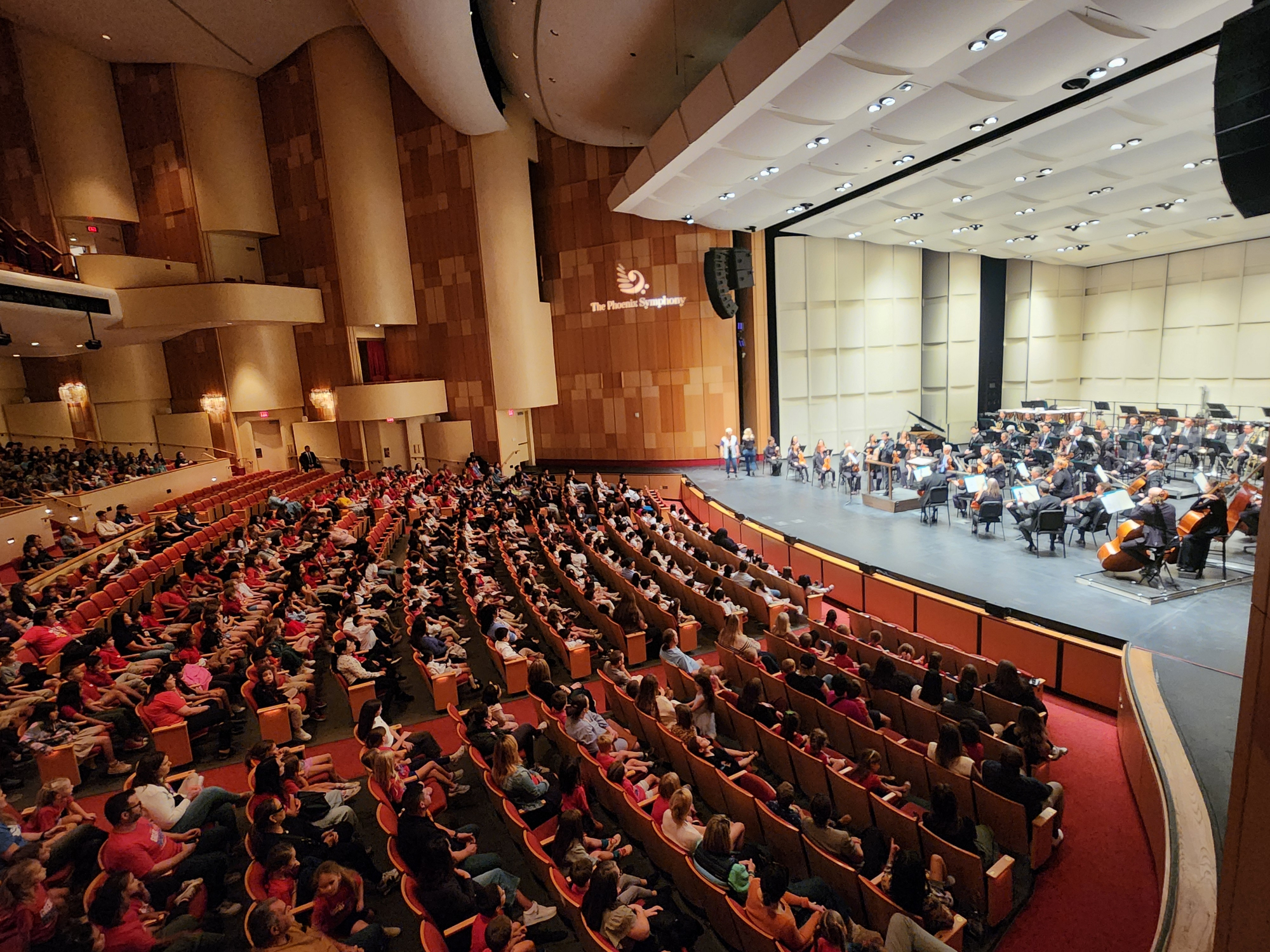
Seeing a symphony orchestra perform your work is something most people can only dream of. It’s a reality for these kids.
By Geri Koeppel | LOOKOUT

It’s the band’s first visit to the Valley since 2022.
By Jennifer Goldberg

The three-day music event offered great vibes, but made our wallets beg for mercy.
By Phoenix New Times Writers

Blink-182 thrilled our inner teenager, and Big Boi brought ATL to PHX.
By Phoenix New Times Writers

LATEST MUSIC

Looking back at the fate of beloved Valley events like Edge Fest, Lost Lake and Luna Del Lago.
By Benjamin Leatherman

Recaps of the festival’s biggest sets, including Kane Brown, Shaboozey and Bret Michaels.
By Teresa Traverse

TRENDING
MUSIC EVENTS

Live sounds abound in the Valley this weekend. Here are some top options.
By Benjamin Leatherman

The electro-punk icon says today’s biggest threat isn’t scandal — it’s the erosion of human rights.
By Niki D’Andrea


Love New Times? Thanks to a recent Google update, you can now select us as a preferred source to see our stories first in search results. Thank you in advance for your ongoing support of local journalism.
Manage Profile | Unsubscribe
To ensure you receive our emails, please add inbox@phoenixnewtimes-insider.com to your address book.
You are receiving this advertisement newsletter because you have signed up on our website or at an event, participated in a promotion, or purchased a ticket to an event. Thank you for your patronage.
© 2026 Phoenix New Times, LLC. All rights reserved.
1201 E. Jefferson
Phoenix, AZ 85034

 RJ Hamster