Author Archives: RJ Hamster
I was born on 6 August 1956 in San Francisco, California to Janet and (the late) Richard Hovis.
I grew up in Santa Monica, California where I attended elementary, junior high school, and high school (graduating in 1974), in addition to involvement in sports and recreation (Little League +, the Boy’s Club ++). Further, it was in elementary school – St. Augustine’s By-the -Sea Parish School that I found, and made the choice to truly journey with God.
I attended Arizona State University from 1974 to 1977 – seeking to become an architect, however, I was not accepted, and, as such, I graduated with a Liberal Arts degree.
Upon graduation from Arizona State University, I attended Cal Poly San Luis Obispo and studied City and Regional Planning at the Master’s level. I successfully completed one (1) year in a two (2) year program – I did not complete the Master’s degree in City and Regional Planning – due to personal reasons.
I returned to Santa Monica where I started (October 1979) my career as graphic designer with Exxon Company, USA. I spent five years with Exxon Company, USA.
While working with Exxon Company, USA I was accepted into architectural school – Sci-Arc in Southern California, however, I did not attend preferring to stay with Exxon..
In 1982 I married Laura Flosi and in April 1983 we had our one and only child – Lauren Alain Hovis – a gift from God.
We moved to Phoenix, Arizona in 1984 from Los Angeles, where I went to work as a graphic designer with Kitchell CEM (from 1985 -1987).
From 1987 – 1995 I was an independent contractor, and a registered representative in mortgage finance, financial management, graphic design, and drafting.
Further, I attended the University of Phoenix and successfully obtained a Master’s in Business Administration (MBA) in 1982.
I was also a member of the Scottsdale Jaycees, where I became very involved in community events and projects.
In 1994, I accepted a cartography position with the Defense Mapping Agency in Reston, Virginia. As such, I relocated from Phoenix to Reston.
In 1998, I was accepted and worked as a Visual Information Officer with the Central Intelligence Agency. In 2002, I worked as a Support Officer until my retirement (due to a need for shoulder surgery) in September 2018.
Away from my Federal Government service, I have been involved in various organizations and activities in Northern Virginia.
In November of 2011, I married Rebecca Ouellette in Santa Monica, California. I reside in San Tan Valley, AZ with my two hamster - Jess and Timothy, our fish, our lizard - RJ Lizard., and our cats - Pearl and Grey.
As to hobbies, I enjoy playing sports, attending sporting events, mentoring individuals from financial management to hamsters, building models, photography, travel, multimedia design, managing partner for RJ Hamster, and jazz – smooth jazz to a samba or a bossa nova.
Love and God Bless,
Peter – aka RJ Hamster Jo hi
The RJ Hamster moening Show
The RJ Hamster morning Show
Catch up on new stories you might have missed

Top headlines from publishers you followCadillac’s 2028 Eyes-Off System: The Hardware, Repair Costs, and Legal Gray ZoneThose camera-encrusted Escalades and Yukons you’ve been passing on the interstate are not one thing. They’re two, and the difference…
The Auto WireCadillac Teases a Motorsport-Derived Reveal for Monterey — Here’s What It Can Legally BeCadillac spent the weekend winning a six-hour endurance race and then spent Monday posting a moody black-and-white…
The Auto WireGM’s Next Camaro Reportedly Gets Four Doors and a Manual. It’s Secretly Been a Cadillac This Whole TimeChevrolet fans are melting down over a rumor that the next Camaro might show up with four doors and a manual gearbox…
The Auto WireThis Week’s Scary Car Death-Rate Rankings Didn’t Come From a Safety Regulator. They Came From Insurance Wearing a Lab CoatSomewhere in the foothills of central Virginia, there’s a nonprofit that has spent more than sixty years perfecting one…
The Auto WireA Kia Dealer Got Caught Cannibalizing One Customer’s SUV to Fix Someone Else’s. Firing the Manager Doesn’t Fix What’s Actually BrokenThe Lake Charles, Louisiana woman dropped her Kia SUV off at Kia of Lake Charles on June 17 for a blown tire. It sat…
The Auto Wire
More top storiesTodd Blanche narrowly confirmed as Trump’s attorney general in overnight voteSee more from Associated Press →10-Year-Old Boy Sells Homemade Cake for $15,000 at County Fair in $100,000 Cake AuctionSee more from People →WNBA games today: Schedule, times, how to watch for Aug. 8See more from USA TODAY→
Popular publishers and creatorsHello!
Publisher
HELLO! offers readers an authentic look into the lives of the world’s most fascinating figures. Built on decades of…+ FollowPeople
Publisher
PEOPLE defines celebrity, drives conversation and inspires action. We are your everyday escape, taking you inside the…+ FollowTamara White
Creator
Tamara is a DIYer, thrifter, and passionate gardener who loves writing and exploring new skills in the kitchen and…+ FollowChris Freytag
Creator
Chris Freytag has been teaching, training, writing books & speaking on the subject of health & fitness for the last 35…+ Follow

The Yodel
Get a rundown of the day’s top headlines right in your inbox every weekday morning.Subscribe to newsletter →
Take Yahoo News with you
Unsubscribe | Terms | Privacy Policy | Help
770 Broadway, New York, NY 10003
© 2026 Yahoo Inc. All rights reserved.
Berkshire Hathaway’s new CEO Greg Abel spends a chunk of the company’s massive cashpile

Berkshire Hathaway’s new CEO Greg Abel spends a chunk of the company’s massive cashpileBerkshire Hathaway’s new CEO Greg Abel spent a significant chunk of the company’s massive pile of cash as it invested $10 billion in Google’s parent company and repurchased about $4.5 billion of it… News for you, PeterAnalysis-Korean ‘ants’ swarm back to Wall Street as KOSPI rout dents homecoming driveBy Yena Park and Jihoon Lee SEOUL, Aug 7 (Reuters) – South Korea’s stock market rout is unravelling a government-backed ef…Reuters July jobs report: US economy lost 23,000 roles, far short of expectationsThe Labor Department on Friday released jobs numbers for the month of July.Yahoo Finance Weak July jobs report helps case for Fed to hold rates but doesn’t take hikes off the tableA weaker-than-expected jobs report for July is likely to strengthen the case for those who support holding interest rates …Yahoo Finance Dodgers fall to Diamondbacks on a walk-off homer as losing skid reaches 7 gamesArizona’s Ryan Waldschmidt hits a two-run, walk-off home run in the ninth off closer Edwin Díaz in a 4-3 win that sen…LA Times Trump goes unmentioned but not ignored as Clinton, Bush and Obama step up as essayists on presidentsWhen George W. Bush wrote an essay this year about another president named George, he avoided mentioning the one named Don…Associated Press Canada posts monster jobs gain in July, unemployment rate hits two-year lowBy David Ljunggren OTTAWA, Aug 7 (Reuters) – Canada’s economy added far more jobs in July than expected and the unemployme…Reuters A pardoned Capitol riot defendant wants her restitution money back. The Justice Department wants to ke…After the protracted demise of the $1.776 billion fund meant to pay perceived victims of government lawfare, prosecutors s…CNN Saudi Arabia turns to Muslim military heavyweights in landmark defense pact as Iran war closes inSaudi Arabia has drawn two of the Muslim world’s most formidable military powers into its defense as the Iran war m…CNN Two adults and a child who disappeared while tubing on a Michigan river found safeTwo women and a 9-year-old who disappeared while tubing on a Michigan river earlier this week were found safe Friday after…NBC News Florida pastor accused of having sex with 14-year-old boy while hiding HIV diagnosisAuthorities arrested 42-year-old Timothy Chaneyfield and said they fear there may be additional victims.NBC News More like this
 Today’s gamePlay Slots nowSpin to win big in the ultimate Slots Lounge extravaganza.
 Trending now1. Boston Red Sox2. John Thune3. Chase Utley4. Strands Hints Today5. Donald Trump6. Keen Ruffalo7. Los Angeles Dodgers8. Houston Astros9. Jamie Lee Komoroski10. Lindsay Clancy Trial
Take Yahoo News with you

Unsubscribe | Terms | Privacy Policy | Help
770 Broadway, New York, NY 10003
© 2026 Yahoo Inc. All rights reserved.
The RJ Hamster morning Show
The RJ Hamster morning Show
Your Night Prayer
Learn More About Adoration of ShepherdsToday’s Email Partner is: Catholic Company.
A Night Prayer
Jesus Christ, my God, I adore You and thank You for all the graces You have given me this day. I offer You my sleep and all the moments of this night. I place myself and all my loved ones, wherever they may be, in Your sacred side and under the mantle of Our Blessed Mother. Let Your holy angels stand watch and keep us in peace. Amen.
Quote of the Day
“At His Transfiguration Christ showed His disciples, the splendour of His beauty, to which He will shape and colour those who are His: ‘He will reform our lowness configured to the body of his glory.’”
— St Thomas Aquinas
Today’s Meditation
“How happy and prudent is the man who strives to be now in this life what he desires to be found at his death. For it will give a man great confidence of dying happily, if he has a perfect contempt of the world, a fervent desire to advance in virtue, a love for discipline, the spirit of penance, a prompt obedience, self-denial, and patience in bearing all adversities for the love of Christ.” —Thomas à KempisAn excerpt from The Imitation of Christ
The Perfect Gift for Their Big Day
Looking for a meaningful way to say “Congratulations”? Celebrate their “Yes” to Christ with gifts that honor the grace of the Sacraments and the enduring beauty of our Catholic tradition. Explore our curated collection of First Communion and Confirmationgifts.
With delicate jewelry for her, sturdy paracord rosaries for him, and inspiring saint medals to guide them as they grow in the Holy Spirit, give a gift that nurtures their soul and reflects the joy of our shared faith on this unforgettable occasion.
Tonight’s Top Picks
Catholic Traditions and Treasures: An Illustrated EncyclopediaPersonalized Chalice First Communion Bible
Examination of Conscience
The daily examination of conscience is an ancient Catholic practice. It’s very simple, and it’s designed to help us identify our sins and weaknesses so that we can improve and grow stronger in the spiritual life, while providing an excellent ongoing preparation for regular Confession. It consists of taking a few minutes at the end of the day to prayerfully review our actions in the light of God’s commandments, followed by the Act of Contrition.1. Reflect on the victories and losses
Actively reflecting on the high and low points of the day can help you live more intentionally and bring a renewed sense of resolve into the following day.
- Review your actions, words, and thoughts today. Did you actively guard yourself against temptation? Where did sin creep in?
- In what moments did you practice virtue and moral courage?
- Were you attuned to the Holy Spirit’s promptings today? Where did you feel His inspiration?
- Ask Him for the graces necessary to follow His Will more purposefully tomorrow.
2. Act of Contrition
O my God, I am heartily sorry for having offended Thee, and I detest all my sins because of Thy just punishments, but most of all because they offend Thee, my God, Who art all good and deserving of all my love. I firmly resolve with the help of Thy grace to sin no more and to avoid the near occasions of sin. Amen.3. Practice gratitude
It is God’s love that has brought you into existence and to this exact moment. Practice looking for His hand in your day.
- Where did you feel His loving gaze upon you today?
- What people or moments helped you see God in your life?
- Thank God for all these moments!
- Ask Him to help you recognize His blessings and providence tomorrow.
4. Renew your commitment to Christ
Remember: our Faith is founded upon a Person—Christ! Renew your personal love and devotion to Him.
- Thank God for the gift of His Son Jesus and our call to be His disciples.
- Tell the Lord of your desire to know Christ more personally.
- If possible, set an intention for your day tomorrow. Ask Our Lord to guide you in this act.
- Pray a Hail Mary, Our Father, or another beloved prayer.
Rest with God
[He] made the Bear and Orion, the Plei′ades and the chambers of the south; Who does great things beyond understanding, and marvelous things without number.— Job 9:9-10Compline (Night Prayer)Want to help your organization reach thousands of Catholics? Click here to consider sponsoring future Night Prayers.
Please add NightPrayer@goodcatholic.com to your address book or list of approved senders.
Unsubscribe | Privacy Policy | Contact Us
Can’t see this email? View in Your Browser

A service of the Network
615 E Westinghouse Blvd Charlotte, North Carolina 28273 US
© 2026 Trinity Road, LLC. All rights reserved.
🪙 Dividend Stocks Newsletter for 8/6/2026

UnsubscribeAugust 6, 2026Buy this stock tomorrow (ad)

Marc Chaikin, founder of Chaikin Analytics, is flagging a little-known company that just secured a partnership with Nvidia – one he believes positions it ahead of Tesla in the autonomous vehicle race.
With a market-moving announcement expected on July 31st, Chaikin is urging investors to swap overpriced AI stocks for this under-the-radar name before markets open. He’s also releasing a free Hotlist and Hitlist of buy and sell ideas for the second half of 2026.
Get The Ticker Symbol And Full Details At No Charge TodayTop Dividend NewsAstera Labs’ Post-Earnings Pullback May Be Last Chance to Buy Below $360McDonald’s Stock Sell-Off: Justified Warning or Buying Opportunity?BNZI Earnings Estimates Rise as AI Platform Expansion Accelerates (from Huge Alerts)Why Brown-Forman Rejected a 23% Premium TwiceAmprius Technologies Validates Growth Trajectory With Q2 Earnings—What Comes Next?These Outperforming Giants Are Boosting Dividends in 2026, With Yields of Up to 6.6%Ulta’s Growth Is Real, But So Are the RisksALERT: Drop these 5 stocks before the market opens tomorrow! (from Weiss Ratings)AMD’s Post-Earnings Drop May Be the Opportunity Investors Wanted3 Stocks Taking Very Different Routes Through the Summer RallyGrab Holdings Stock Forms Bottom After Strong Beat-and-Raise QuarterWhy Walmart and Amazon Could Be the Market’s Most Complementary Mega-Caps
Dividend Stock Lists:
- Best Dividend Stocks To Buy
- High-Yield Stocks
- Best Dividend Stocks By Sector
- Trending Dividend Stocks in the News
- Trending Dividend Stocks by Media Sentiment
Small Colorado Company (Backed by Sam Altman) Could Save U.S. Power Grid (ad)

A small Colorado company has secured rights to technology that could prevent the U.S. public power grid from collapsing — and billionaire Sam Altman is now an investor.
This under-the-radar firm is drawing serious attention from those watching the energy infrastructure space closely.
Click Here To Learn This Company’s Name For Free Today
Ex-Dividend Stocks for Friday, August 7th
CompanyShare PriceAmount / PeriodYieldPrevious AmountPayout RatioPayable DateARCBArcBest$138.89$0.12
quarterly0.31%$0.1269.6%8/21/26
ARLPAlliance Resource Partners$25.40$0.60
quarterly9.36%$0.60117.1%8/14/26
AUBAtlantic Union Bankshares$42.94$0.37
quarterly3.48%$0.3744.2%8/21/26
AZNAstrazeneca$160.01$0.800.94%- 64.9%9/8/26
BCSBarclays$28.29$0.312.33%- 22.0%9/15/26
BKRBaker Hughes$63.02$0.23
quarterly1.61%$0.2329.7%8/17/26
BLXBanco Latinoamericano de Comercio Exterior$58.09$0.69
quarterly4.65%$0.6945.4%8/25/26
CCLCarnival$29.12$0.15
quarterly2.25%$0.1527.0%8/28/26
CFFNCapitol Federal Financial$9.07$0.09
quarterly3.87%$0.0952.3%8/21/26
CMSCMS Energy$71.15$0.57
quarterly3.13%$0.5768.5%9/1/26
CQPCheniere Energy Partners$66.68$0.78
quarterly4.90%$0.7872.4%8/14/26
DANDana$28.48$0.12
quarterly1.75%$0.124.7%8/28/26
ETEnergy Transfer$20.70$0.34
quarterly6.83%$0.34112.5%8/19/26
ETNEaton$449.76$1.10
quarterly1.08%$1.1044.8%8/28/26
FCFFirst Commonwealth Financial$21.63$0.14
quarterly2.62%$0.1434.4%8/21/26
FEFirstEnergy$47.64$0.47
quarterly3.77%$0.4798.9%9/1/26
FHIFederated Hermes$63.08$0.38
quarterly2.55%$0.3828.3%8/14/26
HTHHilltop$39.46$0.22
quarterly2.32%$0.2029.6%8/21/26
HWMHowmet Aerospace$291.55$0.14
quarterly0.19%$0.1213.0%8/25/26
JBHTJ.B. Hunt Transport Services$270.00$0.45
quarterly0.62%$0.4525.5%8/21/26
LADLithia Motors$375.64$0.70
quarterly0.66%$0.579.3%8/21/26
LWLamb Weston$52.38$0.38
quarterly3.07%$0.3873.1%9/4/26
MAINMain Street Capital$57.57$0.27
monthly5.55%$0.2666.9%8/14/26
MPLXMplx$60.04$1.08
quarterly7.26%$1.0893.3%8/14/26
MTArcelorMittal$73.65$0.15
quarterly0.98%$0.1521.6%9/9/26
NSCNorfolk Southern$342.35$1.35
quarterly1.63%$1.3546.1%8/20/26
ODCOil-Dri Corporation Of America$97.35$0.23
quarterly1.17%$0.2121.1%8/21/26
PNFPPinnacle Financial Partners$106.69$0.50
quarterly1.94%$0.5027.5%8/28/26
RELXRelx$35.54$0.281.63%$0.66- 9/15/26
RYAAYRyanair$60.75$0.44
special- – 17.1%9/28/26
SSBSouthState Bank$109.01$0.66
quarterly2.61%$0.6025.2%8/14/26
SUNSunoco$73.51$1.00
quarterly5.39%$0.99101.3%8/19/26
SUNCSunocoCorp$72.85$1.00
quarterly5.31%$0.99185.9%8/19/26
SXIStandex International$334.42$0.34
quarterly0.44%$0.3415.7%8/21/26
TMPTompkins Financial$100.15$0.70
quarterly2.77%$0.6754.1%8/14/26
ULUnilever$63.72$0.53
quarterly3.16%$0.54- 9/18/26
WFCWells Fargo & Company$87.99$0.50
quarterly2.30%$0.4529.1%9/1/26
WSFSWSFS Financial$81.75$0.20
quarterly0.99%$0.2013.4%8/21/26
WTTRSelect Water Solutions$21.20$0.07
quarterly1.35%$0.07100.0%8/19/26
Please note you must purchase shares of these companies by the market close today to receive the next dividend payment.Why Wall Street Is Ignoring This Small Space Stock Near SpaceX (ad)

One mile from SpaceX’s launchpad at Kennedy Space Center sits a tiny public company trading for less than 5 dollars a share.
Its neighbors are SpaceX and Blue Origin, and its customers already include Lockheed Martin, GE Aerospace, and the U.S. Air Force.
Almost nobody on Wall Street is talking about it yet.
Click Here To Discover Why This Overlooked Space Stock Could Be The Next Big Opportunity
Ex-Dividend Stocks for Monday, August 10th
CompanyShare PriceAmount / PeriodYieldPrevious AmountPayout RatioPayable DateAAPLApple$310.45$0.27
quarterly0.32%$0.2712.4%8/13/26
AEPAmerican Electric Power$125.35$0.95
quarterly2.90%$0.9565.2%9/10/26
ALXAlexander’s$273.45$4.50
quarterly6.81%$4.5054.5%8/28/26
AMGAffiliated Managers Group$374.10$0.01
quarterly0.01%$0.010.1%8/24/26
ASTEAstec Industries$45.09$0.13
quarterly0.93%$0.1346.4%8/28/26
CNSCohen & Steers$83.95$0.67
quarterly3.29%$0.6782.2%8/20/26
CVICVR Energy$31.74$0.10
quarterly1.15%$0.1058.8%8/17/26
CWTCalifornia Water Service Group$49.73$0.34
quarterly2.60%$0.3460.4%8/21/26
DEAEasterly Government Properties$24.93$0.45
quarterly7.19%$0.45857.1%8/20/26
GABCGerman American Bancorp$50.70$0.31
quarterly2.54%$0.3132.7%8/20/26
GLPGlobal Partners$49.05$0.78
quarterly6.43%$0.7785.0%8/14/26
GWWW.W. Grainger$1,277.69$2.49
quarterly0.73%$2.4926.8%9/1/26
HCCWarrior Met Coal$89.06$0.08
quarterly0.41%$0.0812.2%8/17/26
HTOH2O America$61.94$0.44
quarterly2.77%$0.4462.2%9/1/26
HXLHexcel$104.58$0.18
quarterly0.68%$0.1836.2%8/17/26
IBMInternational Business Machines$232.88$1.69
quarterly3.28%$1.6960.0%9/10/26
INGING Group$35.79$0.462.62%$0.8828.7%8/17/26
KKRKKR & Co. Inc.$103.24$0.20
quarterly0.77%$0.2024.8%8/25/26
LEGLeggett & Platt$9.76$0.05
quarterly2.00%$0.0512.4%8/24/26
LNGCheniere Energy$264.41$0.56
quarterly0.88%$0.5636.5%8/18/26
LYGLloyds Banking Group$6.22$0.082.72%$0.1358.1%9/25/26
MCMoelis & Company$68.49$0.65
quarterly3.98%$0.6590.6%9/17/26
MGYMagnolia Oil & Gas$25.06$0.18
quarterly2.88%$0.1738.4%9/1/26
MTDRMatador Resources$48.99$0.38
quarterly2.72%$0.3838.6%9/8/26
MWAMueller Water Products$27.24$0.07
quarterly1.08%$0.0721.4%8/20/26
NBNNortheast Bancorp$133.93$0.01
quarterly0.03%$0.010.3%8/24/26
NMMNavios Maritime Partners$79.63$0.06
quarterly0.30%$0.062.0%8/13/26
OCFCOceanFirst Financial$19.66$0.20
quarterly4.07%$0.2094.1%8/21/26
OMFOneMain$65.24$1.05
quarterly6.66%$1.0563.3%8/14/26
PBIPitney Bowes$18.00$0.01
quarterly0.23%$0.0132.8%9/8/26
PPGPPG Industries$117.92$0.74
quarterly2.49%$0.7142.4%9/11/26
RESRPC$5.93$0.04
quarterly2.95%$0.04177.8%9/10/26
ROLRollins$36.77$0.18
quarterly1.66%$0.1866.4%9/10/26
SIRISirius XM$30.06$0.27
quarterly3.62%$0.2743.2%8/26/26
SONSonoco Products$57.53$0.54
quarterly4.02%$0.5434.3%9/10/26
TNKTeekay Tankers$77.01$0.25
quarterly1.28%$0.255.9%8/21/26
TROXTronox$6.89$0.05
quarterly3.30%$0.05-6.8%10/9/26
UANCVR Partners$128.02$6.08
quarterly19.98%$4.00105.5%8/17/26
WBSWebster Financial$79.14$0.40
quarterly2.11%$0.4026.0%8/20/26
Please note you must purchase shares of these companies by the market close tomorrow to receive the next dividend payment.The $15 Gold Fund That Pays Up to $1,152/Month (ad)
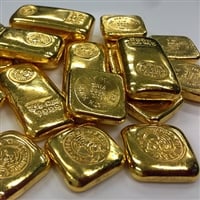
Gold is hitting record highs, but most investors are leaving income on the table. A $15 fund is quietly paying out up to $1,152 a month to regular investors – no mining stocks, no options, no physical metal required.
Chief Income Strategist Tim Plaehn calls it a breakthrough strategy that transforms gold’s rally into reliable monthly payouts. The next distribution is just days away.
Discover The Gold Income Fund Before The Next Payout Date
Ex-Dividend Stocks for Tuesday, August 11th
CompanyShare PriceAmount / PeriodYieldPrevious AmountPayout RatioPayable DateAAAlcoa$47.98$0.10
quarterly0.89%$0.108.2%8/27/26
AWKAmerican Water Works$134.35$0.90
quarterly2.59%$0.9062.0%9/1/26
CAKECheesecake Factory$106.35$0.30
quarterly1.20%$0.3032.5%8/25/26
CNXNPC Connection$86.29$0.20
quarterly0.96%$0.2021.2%8/28/26
DINOHF Sinclair$83.32$0.53
quarterly2.34%$0.5020.0%9/2/26
DLBDolby Laboratories$61.44$0.36
quarterly2.79%$0.3661.3%8/19/26
FFord Motor$13.95$0.15
quarterly4.01%$0.15-32.1%9/1/26
FBKFB Financial$61.29$0.21
quarterly1.44%$0.2122.5%8/25/26
HBTHBT Financial$35.88$0.25
quarterly2.89%$0.2342.9%8/18/26
HTGCHercules Capital$17.14$0.40
quarterly9.85%$0.0779.6%8/18/26
INGMIngram Micro$28.49$0.09
quarterly1.22%$0.0818.6%8/25/26
KMTKennametal$33.76$0.20
quarterly2.35%$0.2045.2%8/25/26
NOMDNomad Foods$11.80$0.17
quarterly5.47%$0.1766.0%8/27/26
RYANRyan Specialty$44.85$0.13
quarterly1.18%$0.1372.2%8/25/26
SCCOSouthern Copper$193.30$1.10
quarterly2.55%$1.0064.3%8/27/26
TEXTerex$65.70$0.17
quarterly1.00%$0.1734.7%9/18/26
VVisa$367.34$0.67
quarterly0.73%$0.6722.8%9/1/26
WLFCWillis Lease Finance$65.80$0.13
quarterly0.73%$0.139.7%8/21/26
WTRGEssential Utilities$39.77$0.36
quarterly3.55%$0.3473.5%9/1/26
Please note you must purchase shares of these companies by the market close tomorrow to receive the next dividend payment.
Dividend Stock Ideas
This is a list of companies that meet common criteria that investors use to evaluate dividend stocks. This list contains companies that have dividend yields greater than 3%, payout ratios of less than 75% (or less than 100% for REITs), five-year average annual dividend growth of at least 1.5% and a minimum market cap of $1 billion.CompanyDividend YieldAnnual PayoutPayout RatioAnnual Dividend GrowthP/E RatioMarket CapTBCGTBC Bank Group PLC5.24%GBX 1,067.0141.39%5.29%1.88£2.67KFSKFS KKR Capital Corp.27.17%$1.68N/A1.81%N/A$3.33KBGEOLion Finance Group PLC4.67%GEL 1,622.5831.57%4.90%2.36GEL522.46KEFCEllington Financial Inc.11.78%$1.5693.98%4.36%7.94$1.65KPRGOPerrigo Company plc8.74%$1.16N/A5.21%N/A$1.76K
Dividend Research Tools:
- DRIP Dividend Calculator
- Dividend Screener
- Today’s Dividend Announcements
- Ex-Dividend Stock Calendar
- Monthly Dividend Stocks
Thank you for subscribing to DividendStocks.com’s daily newsletter!
DividendStocks.com provides a daily email newsletter for dividend and income investors that covers ex-dividend stocks, new dividend declarations, dividend stock ideas, and the latest market news. DividendStocks.com is a subsidiary of MarketBeat Media, LLC and MarketBeat.com.
If you have questions about your account, don’t hesitate to email our South Dakota based support team at contact@marketbeat.com.
Unsubscribe
© 2006-2026 MarketBeat Media, LLC.
345 N Reid Pl., Suite 620, Sioux Falls, South Dakota 57103-7078. United States of America..
See Also: Buy this stock tomorrow(From Chaikin Analytics)
The Cars. The Champions. The History.
Formula Junior Comes Home to Lime Rock
Twenty-five Formula Juniors will compete in the Jim Haynes Memorial, including both front-engine and rear-engine cars. In one run group, you’ll see the dramatic evolution of open-wheel racing in the early 1960s, with cars from Stanguellini, Lotus, Cooper, Brabham, Lola, OSCA, Elva, Kieft and more.
Formula Junior arrived in America just as Lime Rock was establishing itself, and the track quickly became one of the category’s important homes. Local racers were deeply woven into that history, including Lakeville’s Harry Carter, 1961 champion; Jim Haynes, 1963 champion; Falls Village’s Brooks Fryberger, a 1964 champion; and Lakeville’s “Fast Freddie” Stevenson, who carried that lightweight open-wheel tradition forward as Formula Junior evolved into the next generation of formula racing.
The cars will also be featured Sunday in the Lime Rock Concours, giving you a closer look at the small, beautifully simple machines that once represented the future of racing.
Jim Haynes won the 1963 SCCA Formula Junior National Championship in a Lotus 20, then purchased Lime Rock Park the following year. Through his passion for racing and strong business leadership, he helped shape Lime Rock’s future and establish it as one of America’s most respected road-racing circuits. The Jim Haynes Memorial honors both the racer and the man whose influence on Lime Rock extended far beyond the track.Get Tickets To Historic Festival 44 Here
Meet the Legends behind the History
Some of racing’s biggest names gather Saturday at 11:30 at the Information Tent next to Spectator Hill. Meet Hall of Famers David Hobbs, Judy Stropus, Tommy Kendall, and Skip Barber. Also joining them: Donald Osborne, Dorsey Schroeder, “Fast Freddie” Stevenson, Lorenzo Ardizio, and an important group of motorsport authors.
It’s a rare chance to meet those who shaped the sport, get an autograph, take a selfie, and say hello.
Revs Institute 1948 Ferrari 166 Spider Corsa
One of the most historically significant Ferraris in America. This 2.0-liter V12 Spider Corsa was the first racing Ferrari brought to the United States, later competing with Briggs Cunningham and Sam Collier. Its 130-horsepower Colombo V12 is a reminder that some of the most important cars in racing history didn’t need enormous engines to become legends.
Revs Institute Brings Living History to Lime Rock
Revs Institute in Naples, Florida, is one of the world’s great automotive collections, preserving more than 100 historically significant cars. Founded by HF44 Guest of Honor Miles Collier, Revs shares Lime Rock Park’s belief that important cars should be driven, raced, studied, and kept in front of the people who care about them.
At HF44, Revs is bringing more than a dozen extraordinary cars to Lime Rock, including its 1948 Ferrari 166 Spider Corsa. Some will race, others will parade, and all will be featured in a special paddock display. Education is central to the Revs mission, so Miles and a team of Revs automotive experts will be on hand to answer questions, explain the cars, and share the history, engineering, and preservation work behind them.
On Sunday, these remarkable cars will also appear in the Lime Rock Concours, giving you another chance to see them up close, study the details, and appreciate them at a completely different pace.Click here to join us for Historic Festival 44
The Mustang, the Man, and 66 Laps Out Front
Tommy Kendall returns to Lime Rock for HF44, along with one of the most important cars of his career. Three Dog Garage is bringing the No. 11 All Sport Ford Mustang Kendall drove during his record-setting 1997 Trans Am season, including an unforgettable Memorial Day race at Lime Rock.
Kendall was fastest in qualifying but drew third in the Fast Five draw. By the end of the opening lap, he was in front and stayed there for all 66 laps. Right behind him was longtime rival and current HF44 Director of Competition Dorsey Schroeder, who finished just 1.362 seconds back. At HF44, you can meet both men and see Kendall reunited with the Mustang that helped carry him to his fourth Trans Am championship.Get Tickets To Historic Festival 44 Here
Trans-Am Alley, where legends race again
Twenty original Trans-Am cars from legends like Gurney, Follmer, Jones, Titus, Posey, and Donohue return to race at HF44. Between sessions, head to B Paddock and discover Trans-Am Alley. Walk among the cars, meet the drivers, and step into what many consider the greatest era of American motorsports. Look for Vic Edelbrock Jr.’s original big red transporter. Lime Rock helped write this chapter of Trans-Am history, with Mark Donohue among the legends who won here.
Tickets go on sale today for the Drive for Good:
An Exclusive HF44 Experience.
Join Skip Barber and Charles Mallory at 8:30 a.m. on Sunday, August 30, for a special HF44 rally through the back roads of Litchfield County on a route created by longtime rally organizer Robert Selkowitz, with Liz Cruz of Cruz Cartography. Celebrating America’s 250th birthday and the return of Historic Trans-Am to HF44, the drive brings together American racing history, art and the freedom of the open road.
The first stop is 109 Cheese and Wine in Kent, where owners Todd and Monica Brown will welcome the group for coffee and breakfast bites. From there, we’ll continue to the American Mural Project in Winsted to see Ellen Griesedieck’s extraordinary five-story tribute to American workers. Skip Barber, Charles Mallory, and Ellen will offer brief welcome remarks before a catered lunch.
The Lime Rock connection runs deep. Ellen is married to Lime Rock Legend Sam Posey, who scored his first Trans-Am victory at Lime Rock in 1969. That makes AMP a fitting destination for a drive celebrating American racing, ingenuity, and history.
Tickets are $80 per person, with a portion of every purchase benefiting the American Mural Project. Participation is limited to just 35 cars, making this one of HF44’s most exclusive experiences.Join HF44 for the Drive for Good on August 30th
Restoring Skip Barber’s Formula One March
Don Breslauer is leading the restoration of Skip Barber’s March, the car Skip drove in Formula One races. Removing decades of dirt, grime and corrosion by hand is slow, painstaking work, so Don called on Joe Wade of Dry Ice Blasting Services. Dry ice blasting is an eco-friendly, nonabrasive and nonflammable cleaning process that removes years of buildup quickly without damaging the surface beneath, saving valuable restoration and cleanup time.
If you have a restoration project that needs the right touch,
Meet the Heroes Who Made the History
Miles Collier founder of the Revs Institute
The Voice, The Wit, The Champion. David Hobbs.
Brings Automotive History to Life.
Trans-Am Legend Tommy Kendall returns
Dorsey Schroeder. Still Stirring Up Trouble After All These Years
Alfa Romeo Historian Lorenzo Ardizio 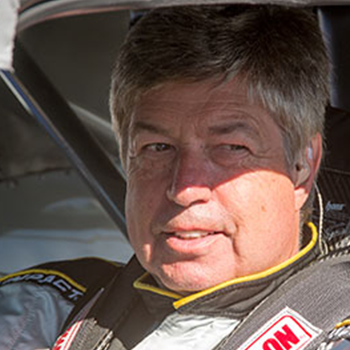
Mike Joy: From the Broadcast Booth to the Driver’s Seat
The Full Historic Festival Experience
If you own a historic
Alfa Romeo — or a car worthy of inclusion
Apply for the Sunday in the Park Concours Here
The greatest car show
takes place on track
Register for the Gathering of the Marques Here
We’ve listed our preferred hospitality partners
to help you
Historic Festival 44 is made possible with the support of our valued partners.
Lime Rock Park | 860.435.5000 | limerock.com
Shop The Lime Rock Park Store | limerockgear.com
Join Lime Rock Drivers Club | limerockclub.com
Cater Your Event | limerock.com/catering
Buy & Sell Your Car | limerock.com/classifieds
VIEW AS WEBPAGE: View as Webpage
Lime Rock Park | 60 White Hollow Road | Lakeville, CT 06039 US
Unsubscribe | Update Profile | Our Privacy Policy | Constant Contact Data Notice
 RJ Hamster