Shop at Lands’ End. Shop all products, lands’ end classic.
— Read on www.landsend.com/pps/static/
Author Archives: RJ Hamster
I was born on 6 August 1956 in San Francisco, California to Janet and (the late) Richard Hovis.
I grew up in Santa Monica, California where I attended elementary, junior high school, and high school (graduating in 1974), in addition to involvement in sports and recreation (Little League +, the Boy’s Club ++). Further, it was in elementary school – St. Augustine’s By-the -Sea Parish School that I found, and made the choice to truly journey with God.
I attended Arizona State University from 1974 to 1977 – seeking to become an architect, however, I was not accepted, and, as such, I graduated with a Liberal Arts degree.
Upon graduation from Arizona State University, I attended Cal Poly San Luis Obispo and studied City and Regional Planning at the Master’s level. I successfully completed one (1) year in a two (2) year program – I did not complete the Master’s degree in City and Regional Planning – due to personal reasons.
I returned to Santa Monica where I started (October 1979) my career as graphic designer with Exxon Company, USA. I spent five years with Exxon Company, USA.
While working with Exxon Company, USA I was accepted into architectural school – Sci-Arc in Southern California, however, I did not attend preferring to stay with Exxon..
In 1982 I married Laura Flosi and in April 1983 we had our one and only child – Lauren Alain Hovis – a gift from God.
We moved to Phoenix, Arizona in 1984 from Los Angeles, where I went to work as a graphic designer with Kitchell CEM (from 1985 -1987).
From 1987 – 1995 I was an independent contractor, and a registered representative in mortgage finance, financial management, graphic design, and drafting.
Further, I attended the University of Phoenix and successfully obtained a Master’s in Business Administration (MBA) in 1982.
I was also a member of the Scottsdale Jaycees, where I became very involved in community events and projects.
In 1994, I accepted a cartography position with the Defense Mapping Agency in Reston, Virginia. As such, I relocated from Phoenix to Reston.
In 1998, I was accepted and worked as a Visual Information Officer with the Central Intelligence Agency. In 2002, I worked as a Support Officer until my retirement (due to a need for shoulder surgery) in September 2018.
Away from my Federal Government service, I have been involved in various organizations and activities in Northern Virginia.
In November of 2011, I married Rebecca Ouellette in Santa Monica, California. I reside in San Tan Valley, AZ with my two hamster - Jess and Timothy, our fish, our lizard - RJ Lizard., and our cats - Pearl and Grey.
As to hobbies, I enjoy playing sports, attending sporting events, mentoring individuals from financial management to hamsters, building models, photography, travel, multimedia design, managing partner for RJ Hamster, and jazz – smooth jazz to a samba or a bossa nova.
Love and God Bless,
Peter – aka RJ Hamster Jo hi
Kohl’s Rewards + Sephora Beauty Insider | Kohl’s
Two ways to get rewarded. Kohl’s Rewards + Sephora Beauty Insider. That’s the beauty of shopping Sephora at Kohl’s.
— Read on www.kohls.com/feature/beautyrewards.jsp
5 teams that could play spoiler in September


Friday, September 04

Which teams could spoil someone’s season this September?
The 2026 campaign has been a disappointment for these five teams, but they could still be major factors in the playoff races as they face contenders down the stretch.
YOUR NEWS

Examining Gabriel Moreno’s breakout 2026 season

Teoscar, getting hot at just the right time, walks off Cardinals
TOP NEWS

Cheers, then TWO homers! Rutschman makes memorable Camden return

Gausman’s gem backed by PCA’s 39th HR as Cubs edge Brewers

Skubal allows 10 hits — all singles — before Dodgers walk off in ninth

Blue Jays secure tiebreaker with Guardians in tight AL Wild Card chase

Brown bears down for 6 strong frames as Astros eye AL’s No. 2 seed
Ohtani not in lineup day after going 0-for-4 with 4 K’s, questionable for tonight
STAFF PICKS
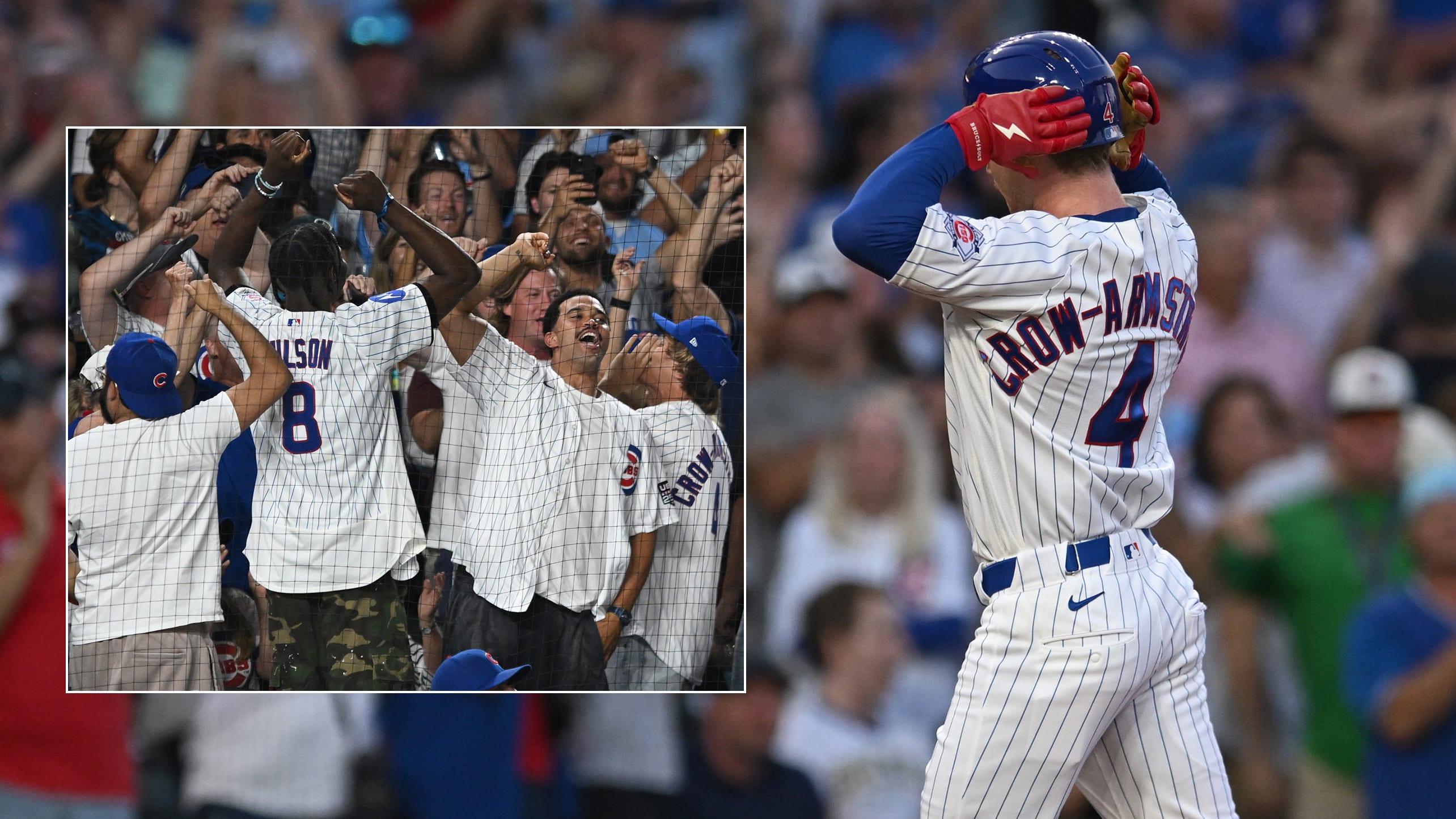
PCA becoming the best show in town
Among those on hand to cheer on Pete Crow-Armstrong’s latest heroics were Bears quarterback Caleb Williams and Bulls players Matas Buzelis and Caleb Wilson.

Sale outdueling Father Time
As Chris Sale prepares to oppose Cristopher Sánchez tonight to open up a crucial series in Philly, he is throwing harder than ever at age 37.

Stats of the Week: PCA, Lazaro and more
Pete Crow-Armstrong’s monster August and Lazaro Montes’ big league debut provided some of the most mind-blowing stats Sarah Langs compiled from the past week.

How Jac broke out in August
Jac Caglianone talked about winning AL Player of the Month for August and how he thinks the Home Run Derby helped him in the Best Interview in Baseball, presented by Corona.
ADD MLB AS YOUR PREFERRED SOURCE ON GOOGLE
TOP PERFORMANCES


Longest Home Run
Carter Jensen
440 ft
5th Inning
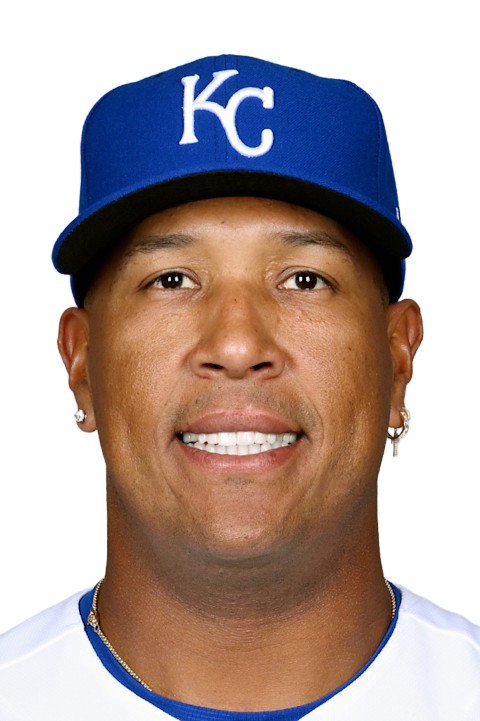
Hardest Base Hit
Salvador Perez
111.3 mph
8th Inning
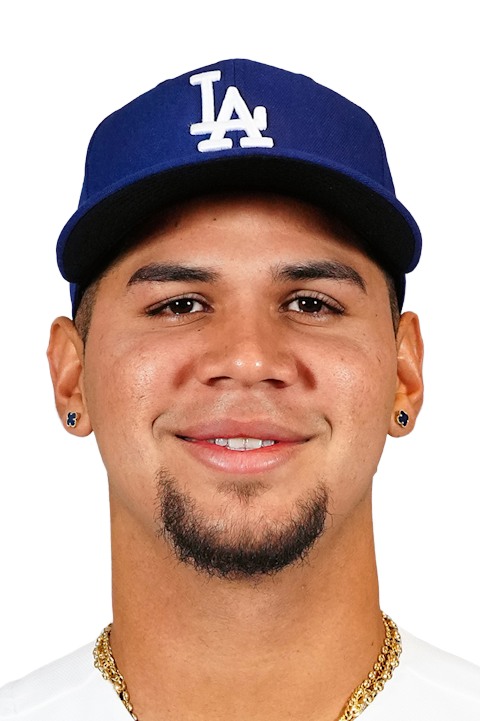
Fastest Strikeout
Edgardo Henriquez
103.6 mph
6th Inning

Decisive Play
Dodgers
62.7% WPA
9th Inning

4th time top overall pick homered in 1st PA vs. team that drafted him

20 games into career, hasn’t allowed more than 3 runs in a start

Slashing .382/.488/.941 with 5 HRs, 10 RBIs over past 9 games
1.18 ERA since Aug. 1, lowest in MLB (min. 30 IP)
30 hits 2nd-most through player’s first 22 games in TOR history
PLAY A SPORCLE BASEBALL QUIZ!

MUST-SEE PLAY

Who needs a glove when you have Ryne Stanek’s soccer skills?
MLB NETWORK

Friday tripleheader on MLB Network
It’s the Tigers vs. Guardians in Game 1 of a doubleheader at 2 p.m. ET, Giants vs. Mets at 7 (or Cubs vs. Marlins) and Yankees vs. Padres at 10 (or Nationals vs. Dodgers).
SCOREBOARD

SF 2
PIT 5

TOR 6
CLE 3

CWS 2
HOU 6

BOS 6
BAL 5

MIL 1
CHC 2

MIA 3
KC 7

TB 0
TEX 6

ATH 7
SEA 4

STL 2
LAD 3


© 2026 MLB Advanced Media, L.P. MLB trademarks and copyrights are used with permission of Major League Baseball. Visit MLB.com. Any other marks used herein are trademarks of their respective owners.
Please review our Privacy Policy.
You (pahovis@aol.com) received this message because you registered to receive commercial email messages from MLB.com.
Please add info@marketing.mlbemail.com to your address book to ensure our messages reach your inbox. If you no longer wish to receive commercial email messages from MLB.com, please unsubscribe or log in and manage your email subscriptions.
Postal Address: MLB.com, c/o MLB Advanced Media, L.P., 1271 Avenue of the Americas, New York, NY 10020.
🏈 No league yet? There’s still time

There’s still time to play Fantasy Football before kickoff on 9/9. Join a public league today.DRAFT NOWDraft With FriendsNot enough friends to start a league? No problem. Invite up to 7 friends to join a public league. Then, we’ll do the rest.DRAFT NOWPublic Death LeaguesA killer way to play. The lowest-scoring team is eliminated each week until one remains.DRAFT NOWYour league in your pocketGet the latest Yahoo Fantasy app.Privacy Policy•Terms of Service•Unsubscribe•Customer Support
©2026 Yahoo Fantasy Sports LLC. All Rights Reserved.
770 Broadway, New York, NY 10003, USA
Dolly Parton: Big Hair, Bigger Heart; Newsfront: America Hijacked!
Newsmax TV Weekend Lineup 
Wake Up America Weekend
Kyle Lowder and Kenzie Beach
Saturday-Sunday
7 a.m. ET/LIVE
This Week: A monster is brewing in the Pacific. Forecasters say a “super” El Niño — possibly the strongest ever recorded — is barreling toward North America. Kyle Lowder and Kenzie Beachpredict what it could mean for your winter.
America Right Now
Tom Basile
Saturday, 9 a.m. ET/LIVE
This Week: Catholic influencer Anthony Gross discusses Gen Z and faith in America. Bret Swanson, tech expert at The Heritage Foundation, tackles the data center debate.
Saturday Report
Rita Cosby
Saturday, 11 a.m. ET/LIVE
This Week: Rudy Giuliani and Oklahoma Rep. Kevin Hern mark the 25th anniversary of 9/11.
Saturday Agenda
Rob Astorino
Saturday, 1 p.m. ET/LIVE
This Week: Max Jung-Goldberg, who plays for the Savannah Bananas, talks about the team. Retired Vice Adm. Robert Harward shares the latest on Iran and Ukraine.
Rob Carson’s What in the World?
Saturday, 3 p.m. ET
Sunday, 8:30 p.m. ET
This Week: Dr. Abdul El-Sayed has a serious Hasan Piker infection. Democrat establishment cronies are now all in on democratic socialism. President Trump nukes a reporter for asking a stupid question.
Greg Kelly This Week
Saturday, 4 p.m. ET
Sunday, 5 and 11 p.m. ET
This Week: Dalilah Coleman,who was 5 when she was critically injured in a 2024 wreck caused by an illegal immigrant trucker, and her dad, Marcus Coleman, speak with Greg Kelly. Plus, Texas AG Ken Paxton, who’s running for the Senate, explains why his opponent, James Talarico, is a threat to Texans’ way of life.

Carl Higbie This Week
Saturday-Sunday, 7 p.m. ET
This Week: Carl Higbie discusses the great work President Trump’s DHS is doing with Secretary Markwayne Mullin and Border Czar Tom Homan. And he speaks with Eric Trump about the White House ballroom and his family being targeted by Letitia James.
David Harris Jr. The Pulse Weekly
Saturday, 8 p.m. ET
Sunday, 10 p.m. ET
This Week: David Harris Jr.marks the anniversary of the loss of conservative voice Charlie Kirk. Legal experts Zack Smith and Sandy Feder break down the judge’s decision to move forward with the trial for Kirk’s accused killer. And journalist/commentator Kira Davis exposes the most insane progressive policies currently being pushed.
Wise Guys With John Tabacco
Saturday, 9 p.m. ET
Monday, 12 a.m. ET
This Week: A former Army ranger analyzes the Ukraine-Russia conflict and the Iran war. Canadians react to President Trump’s tariffs as Lake Ontario undergoes a name change. And a proposal in California offers “sex huts” for the homeless. John Tabacco breaks it down with Jim Lechner, Nagah Ezaldein, Jackie Tobacco, Stephanie Belanger, and Bruce Blakeman.
Ed Henry The Big Take Weekly
Saturday, 10 p.m. ET
Sunday, 6 p.m. ET
This Week: Ed Henry gets the take of Interior Secretary Doug Burgum on the historic oil deal with Venezuela. Acclaimed tenor Christopher Macchio previews his performance at the RNC midterm convention in Dallas.
Dolly Parton:
Big Hair, Bigger Heart
Saturday, 11 p.m. ET
Sunday, 4 p.m. ET
No royal beginnings for the Queen of Country Music. Yet despite dirt poor roots, Dolly Parton leaves a rich legacy — 11 Grammies, 10 Country Music Awards, Dollywood, and her charitable foundation supporting good causes, especially literacy.
Sunday Report
Sunday, 10 a.m. ET/LIVE
This Week: Doron Spielman, international spokesperson for Israel’s prime minister, and Dr. Zuhdi Jasser, president of the American Islamic Forum for Democracy, discuss the latest on Iran.
Sunday Agenda
Lidia Curanaj
Sunday, 12 p.m. ET/LIVE
This Week: Rudy Giuliani marks the 25th anniversary of 9/11. Attorney Mark Geragos reacts to the latest on the Lindsay Clancy murder trial.
The Record With Greta Van Susteren Weekly
Sunday, 2 p.m. ET
This Week: House Judiciary Chairman Jim Jordan discusses a judge gone wild. Plus, Sen. John Fetterman supports President Trump on data centers. Greta Van Susteren gets to the source of the week’s biggest stories in America for “The Record.”
Conversations With Nancy Brinker
Sunday, 3 p.m. ET
This Week: Retired Col. Kurt Schlichter, senior columnist at Townhall, assesses the administration’s strategic decisions on Iran. Rep. Claudia Tenneyweighs in on the impact of socialist candidates on the midterms.
Newsfront: America Hijacked
Sunday, 4 p.m. ET
Newsmax Exclusive! Our cities are collapsing as crime goes wild and law-abiding citizens flee. Learn about the rogue prosecutors who are destroying these once-great metropolises with woke, pro-criminal policies.
Find Newsmax TV:• Xfinity 1115• Dish 216• YouTube TV• DirecTV 349• Spectrum (see channels)• FuboTV• Roku• Cox• Fios 615• Optimum 102• U-verse 1220• Mediacom 277• Suddenlink• YouTube Live• Vidgo• Download Free App on Smartphone• Find More Channels
Can’t Find Us?
Tell your cable company you wantNewsmax TV. We’ll connect you immediately to them. Call toll free877-763-9762.
This email is never sent unsolicited. You have received this Newsmax email because you subscribed to it or someone forwarded it to you. To opt out, see the links below.
Remove your email address from our list or modifyyour profile. We respect your right to privacy. Viewour policy.
This email was sent by:
Newsmax.com
362 N. Haverhill Road
West Palm Beach, FL 33415 USA
DM1021326
9898-1
The RJ Hamster morning Show
The RJ Hamster morning Show
Revelation 3:17 – Understanding Laodiceanism: The Subtle Idolatry in Modern Christianity
Having trouble reading this email? View it in your browser.


Revelation 3:17
(17) Because you say, ‘I am rich, have become wealthy, and have need of nothing’—and do not know that you are wretched, miserable, poor, blind, and naked—
New King James Version Change email Bible version
From the beginning to the end of its history, Israel’s great sin was trying to get the best of both worlds. They professed that God was their god, but they proved their insincerity by not honoring Him with their attention, their time, their energy. He was low on their list of priorities. God was always on the back burner, so to speak. This is idolatry.
In regard to Laodiceanism, we have to be concerned about the same sin. Laodiceanism is the most subtle form of idolatry. A Laodicean is a Christian who has turned inward. Though he is a part of the church of God, his worship is self-centered. He worships himself and his interests in God’s name, while going through the motions of worshipping God. Such is idolatry. What sin is the most distasteful to God? Undoubtedly, it is idolatry! And seeing that sin so skillfully embedded in the Laodicean, He spews them out of His mouth!
Laodiceanism is also the most refined form of worldliness. That worries God. Beginning with an attraction to the world, and building through self-concern that overpowers spiritual concerns, the Laodicean unwittingly worships himself in the place of God. The Laodicean has misjudged what is important in life, and therefore he prioritizes wrongly. He gives his attention to pursuits that are not intrinsically evil, things God desires to bless His people with, but because his priorities are wrong, he merits God’s scathing condemnation.
Probably all of us have slumped into Laodiceanism somewhat. Because it is so prevalent in the world, it is almost impossible to avoid. But it can be resisted! We still have time for repentance. Each of us can make a greater effort to study, pray, fast, grow in love for each other, unselfishly help our neighbors, and follow the prompting of the Holy Spirit while we have the time and opportunity. We must not allow this opportunity to slip away.
— John W. Ritenbaugh
To learn more, see:
The World, the Church, and Laodiceanism
Topics:
Commentary copyright © 1992-2026 Church of the Great God
New King James Version®, Copyright© 1982, Thomas Nelson. All rights reserved.


Subscription Information
This daily newsletter was sent to you at pahovis@aol.com because you subscribed at www.bibletools.org on Jan 30, 2011.
Email Preferences | Unsubscribe
Church of the Great God
P.O. Box 471846
Charlotte, NC 28247
803-802-7075
Cubs got to The Miz, but Brewers got the win

Thursday, September 03

Ranking the 10 most impactful Trade Deadline moves
Tarik Skubal has been plenty good since being dealt to the Dodgers, but has he been the best midseason addition of players who swapped uniforms this summer?
YOUR NEWS
McCann’s first-pitch go-ahead HR in 8th snaps D-backs’ 3-game slide
Dodgers mull resting Ohtani to get him to 100% before postseason
TOP NEWS

Crew bats back up Miz after streak of 3 ER or less ends at 25
Could this swing mark the return of vintage Vladdy?

Yankees finally conjure some extra-inning magic with 5-run 10th

Acuña Jr. fastest in MLB history to reach 200 HRs and 200 SBs
Wesneski, Velázquez deliver as Astros take 2-game AL West lead
STAFF PICKS

There’s a new No. 1 in town
It was going to take a monster season to unseat Triple Crown candidate Yordan Alvarez, who led each of our previous five editions of the Hitter Power Rankings. Enter Pete Crow-Armstrong.

The pitching prospects who went off in August
A righty who went on a strikeout spree and five members of MLB Pipeline’s Top 100 Prospects list were just some of the hottest Minor League pitchers last month.
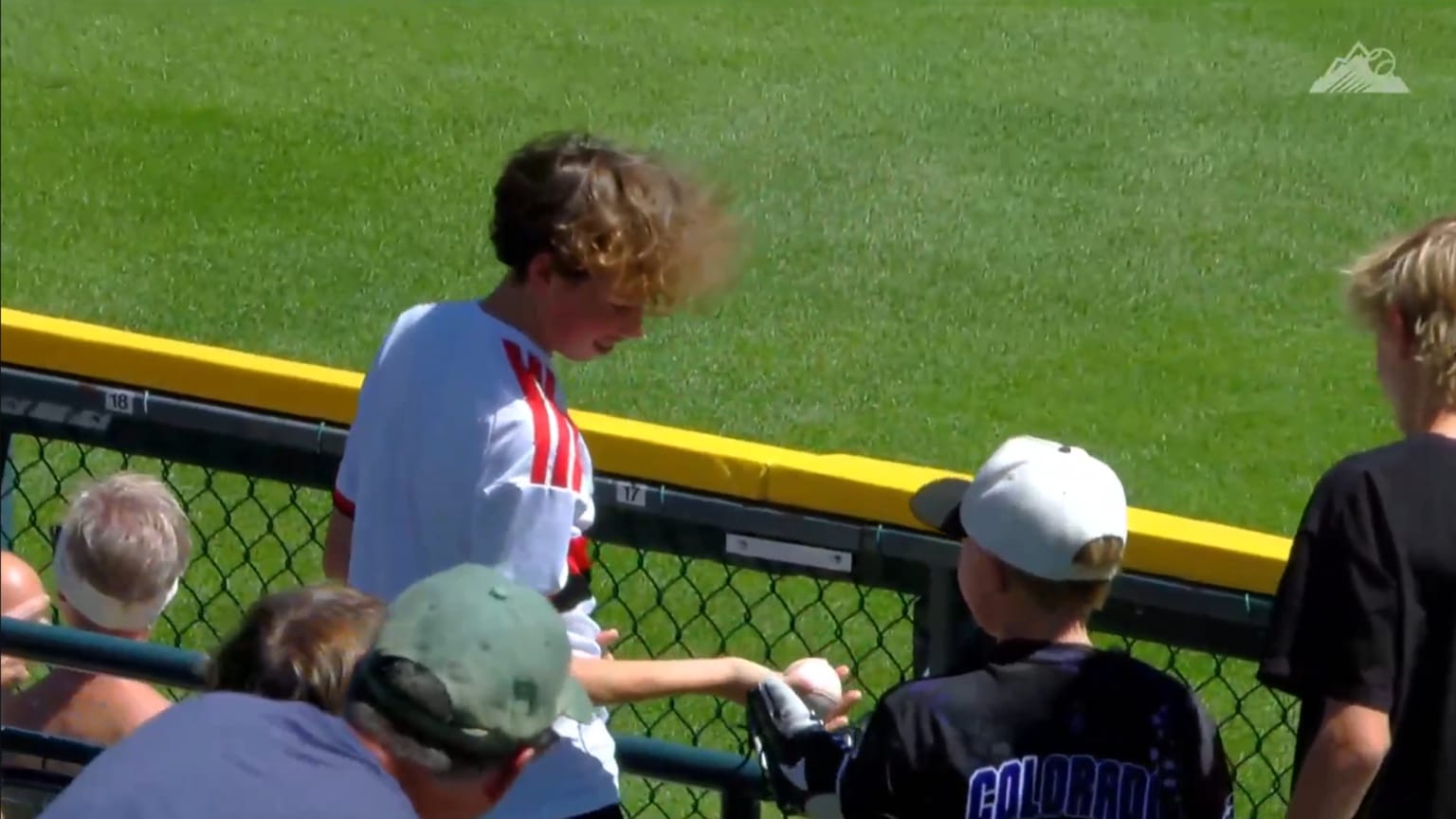
A young fan’s good deed worthy of hug
When a young fan named Max caught a ball tossed his way by Rockies outfielder Jake McCarthy, he immediately handed it to a younger fan next to him, and was rewarded with a much-deserved hug.
ADD MLB AS YOUR PREFERRED SOURCE ON GOOGLE
TOP PERFORMANCES

Longest Home Run
Justin Foscue
424 ft
2nd Inning
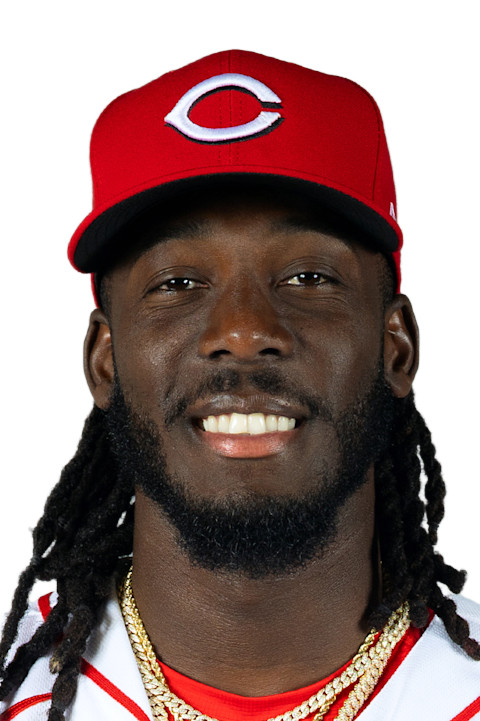
Hardest Base Hit
Elly De La Cruz
113.3 mph
7th Inning

Fastest Strikeout
Jacob Misiorowski
100.7 mph
2nd Inning

Decisive Play
Rockies
75.2% WPA
11th Inning
1st multi-HR game of ’26; most leadoff HR in KC history (6)
HR, 4 RBI; 9th multi-RBI game since Aug. 1, most in MLB
Tied career-high in IP (7) in 1st career scoreless start
6 scoreless IP; 11th straight start allowing 3 ER or fewer
1st leadoff hitter in A’s history with 2 HR, SB in same game
PLAY A SPORCLE BASEBALL QUIZ!

MUST-SEE PLAY

Nico Hoerner … you’ve gotta be kidding! That’s one way to get out of a bases-loaded jam.
MLB NETWORK
Thursday action on MLB Network
The Blue Jays face the Guardians at 1 p.m. ET before the A’s take on the Mariners at 9:30 p.m. ET.
SCOREBOARD

SD 3
CIN 7

ATL 9
WSH 0

ATH 9
TEX 2

BAL 5
COL 6

PHI 0
AZ 1

SEA 8
BOS 3
SF 5
PIT 4

NYM 10
TB 4
TOR 11
CLE 0

DET 11
MIN 6
MIA 9
KC 6
MIL 9
CHC 5
CWS 0
HOU 2

NYY 6
LAA 3
STL 8
LAD 6
© 2026 MLB Advanced Media, L.P. MLB trademarks and copyrights are used with permission of Major League Baseball. Visit MLB.com. Any other marks used herein are trademarks of their respective owners.
Please review our Privacy Policy.
You (pahovis@aol.com) received this message because you registered to receive commercial email messages from MLB.com.
Please add info@marketing.mlbemail.com to your address book to ensure our messages reach your inbox. If you no longer wish to receive commercial email messages from MLB.com, please unsubscribe or log in and manage your email subscriptions.
Postal Address: MLB.com, c/o MLB Advanced Media, L.P., 1271 Avenue of the Americas, New York, NY 10020.
The NL East is all sewn up, right? (Right?)

Thursday, September 03

Welcome to The Pregame Lineup, a weekday newsletter that gets you up to speed on everything you need to know for today’s games, while catching you up on fun and interesting stories you might have missed. Today’s edition is brought to you by Scott Chiusano.
For the better part of this season, the Braves have sat relatively comfortably atop the NL East. Gradually, though, over the past few weeks, that seat has gotten a lot hotter thanks to the Phillies putting up MLB’s best record in August (21-7).
And the temperature will be turned way up over the course of this Labor Day weekend when the two teams meet in Philadelphia for a massive four-game series. By the end of it, that seat might be burning up.
That’s what the Phillies are aiming for, at least, now just four games behind Atlanta entering Friday night’s series opener (6:40 p.m. ET on MLB.TV). They were a high-water mark of 10 1/2 games back on May 22, and nine games back as recently as Aug. 13, which was also when they began a nine-game win streak.
It’s Chris Sale vs. Cristopher Sánchez in Game 1, a showcase of stellar southpaws who are in the running for the NL Cy Young Award(although everyone is just trying to keep up with Jacob Misiorowski right now). Sale is coming in at his peak, most recently dominating the Dodgers with 11 strikeouts in his first shutout since 2019. Sánchez went seven scoreless innings against the Angels his last time out, fanning eight and allowing just two hits.
You’d think runs would be hard to come by, but there are plenty of slugging stars who could ruin an outing with one swing. Kyle Schwarber leads the Majors with 40 homers, his fourth time reaching that mark in the past five seasons. Bryce Harper is playing his best ball of the season, riding a 35-game on-base streak and coming off a month during which he slashed .333/.496/.573.
On the other side, the always-electric Ronald Acuña Jr. hit his 200th career homer yesterday, and Matt Olson is only three behind Schwarber in dingers, on the doorstep of his second career 40-homer season.
If the Phillies hope to be this year’s Guardians, who came back from as many as 15 1/2games down to top the Tigers in the AL Central last year, this weekend’s series will be the barometer.
A RECORD SKID CAN’T GET THEM DOWN
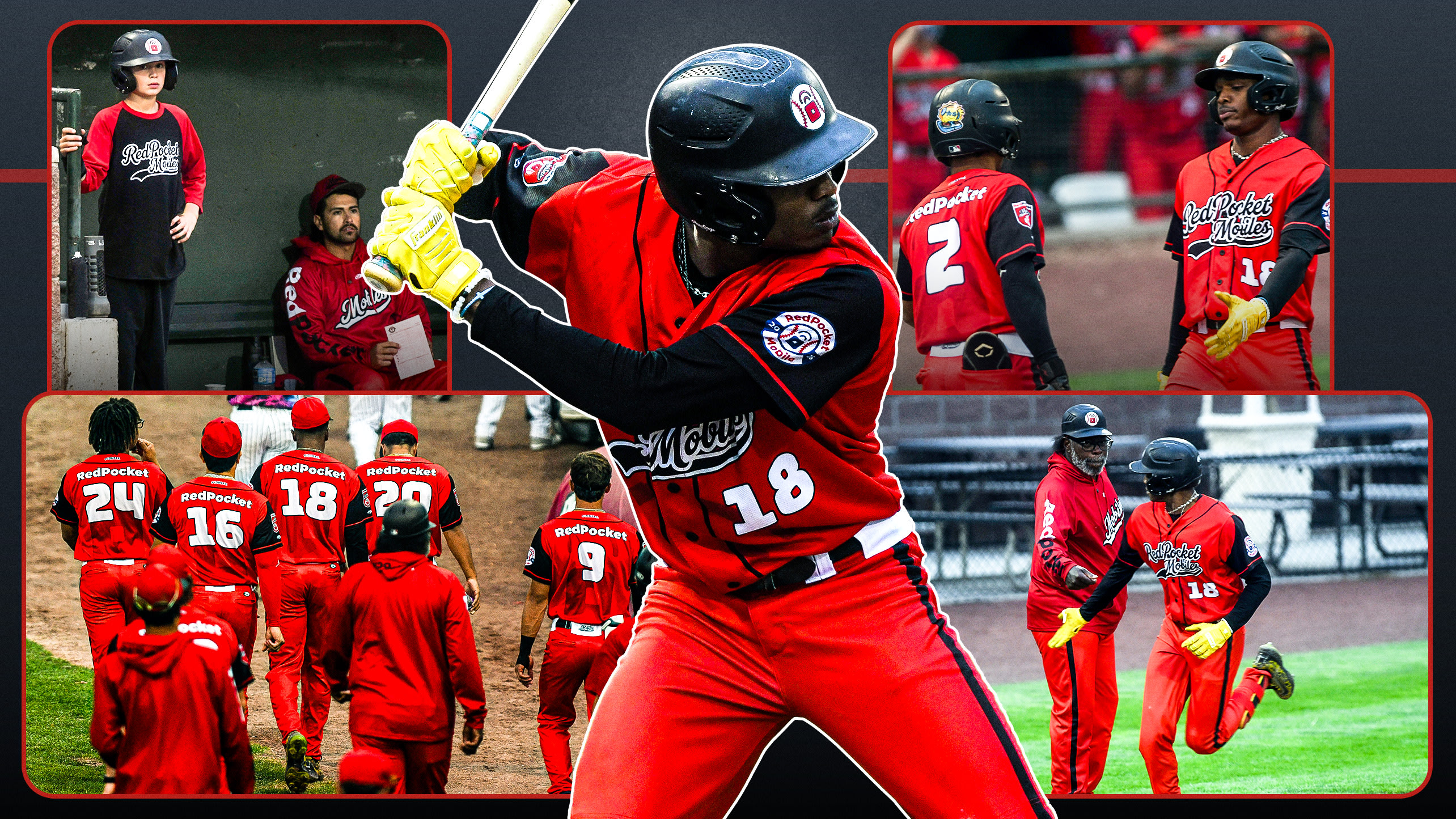
Michael Clair brings us a story of a Pioneer League club that’s better than any other pro baseball team in history at one thing — losing. Despite the ignominy of dropping 39 straight games, the RedPocket Mobiles have found inspiration, camaraderie and even joy.
When the Colorado Springs Rocky Mountain Vibes folded before the 2026 season, the Pioneer League was left with just 11 teams. That would make scheduling a 96-game schedule for the league almost impossible, so, with help from RedPocket, which took on the naming rights, the league created a traveling team. The ballclub would play a series, hop on the bus and head for a new city and a new hotel. They would repeat that all summer long, with cameras coming along to capture it all for a YouTube series.
“We began by getting ourselves a coaching staff with Dmitri Young and started to recruit players. Along the way, we had a couple of guys that balked at the idea of being on a travel team and being on the road for 120 days, which, I mean, you can’t really fault them for that. That’s a big ask,” Mobiles co-GM and Pioneer League director of operations Al Maulding said.
Because the league plays Tuesday through Sunday, the Mobiles have had only one true day off this year when a weekend series in Oakland ended on Sunday before the team drove to Modesto, Calif., on Tuesday. Maulding said that the team has spent 160 hours on the bus alone – the equivalent of four full work weeks.
Despite the difficult nature of the job, this is still an opportunity to play baseball, one with a paycheck attached to it and a Major Leaguer in the dugout.
“We found a big group of guys that really wanted an opportunity to play baseball and prove that they belong and we’ve done that,” Maulding said. “It hasn’t been the easiest thing, but day by day, they keep going out there and playing their hearts out. That’s all we can really ask for.”
With a Kerouacian thirst for the road, the team headed out. The Mobiles finished in last place in the first half with a 12-36 record, but were just three games away from escaping the cellar.
The second half has been a different story: The team has gone 1-43. Injuries, that scourge of all ballclubs, reared its head, but the team also began trading away many of its best players to other teams.
Read the full story of the RedPocket Mobiles here >>
GAMES OF THE NIGHT
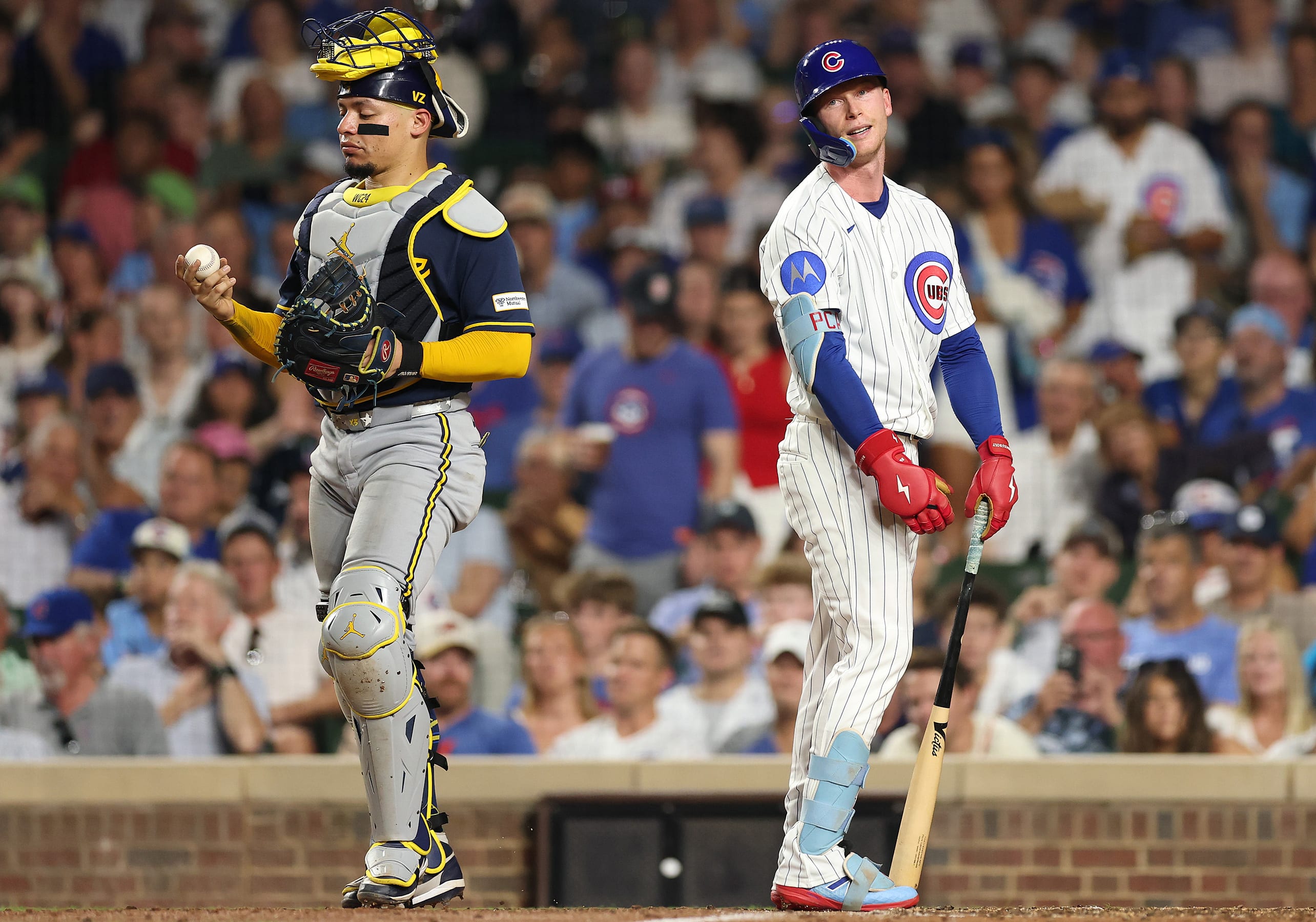
Brewers @ Cubs (7:15 p.m. ET, FOX)
The Brewers have been in command of this four-game series since the Cubs trounced them in Monday’s opener, and Logan Henderson can clinch both this set and the season series for Milwaukee with a win tonight. Hits won’t be easy to come by for the Cubs; Henderson allowed just one over seven innings his last time out and has a 2.06 ERA in his last eight starts.
Red Sox @ Orioles (7:15 p.m. ET, FOX)
A month after pulling off one of the most surprising Deadline deals in years, these AL East rivals meet for four in Baltimore, with the centerpiece of that trade, Red Sox catcher Adley Rutschman, set to return tonight from a hyperextended elbow. While Boston is comfortably in Wild Card position, the O’s are on the outside looking in — but not by much — and now open a crucial 10-game stretch against Boston, Cleveland and Toronto.
Cardinals @ Dodgers (10:10 p.m. ET, MLB.TV)
While the Dodgers debate how long to extend Shohei Ohtani’s break from pitching, Tarik Skubal’s steady excellence since arriving in L.A. softens the sting a bit. Still, it won’t matter who’s on the mound if his club keeps slumping at the plate. The Dodgers, who have been outscored by 17 runs since July 1, went just 1-for-18 with runners in scoring position in last night’s loss.
IS HE BOSTON’S MOST UNHERALDED PIECE? (GASP!)
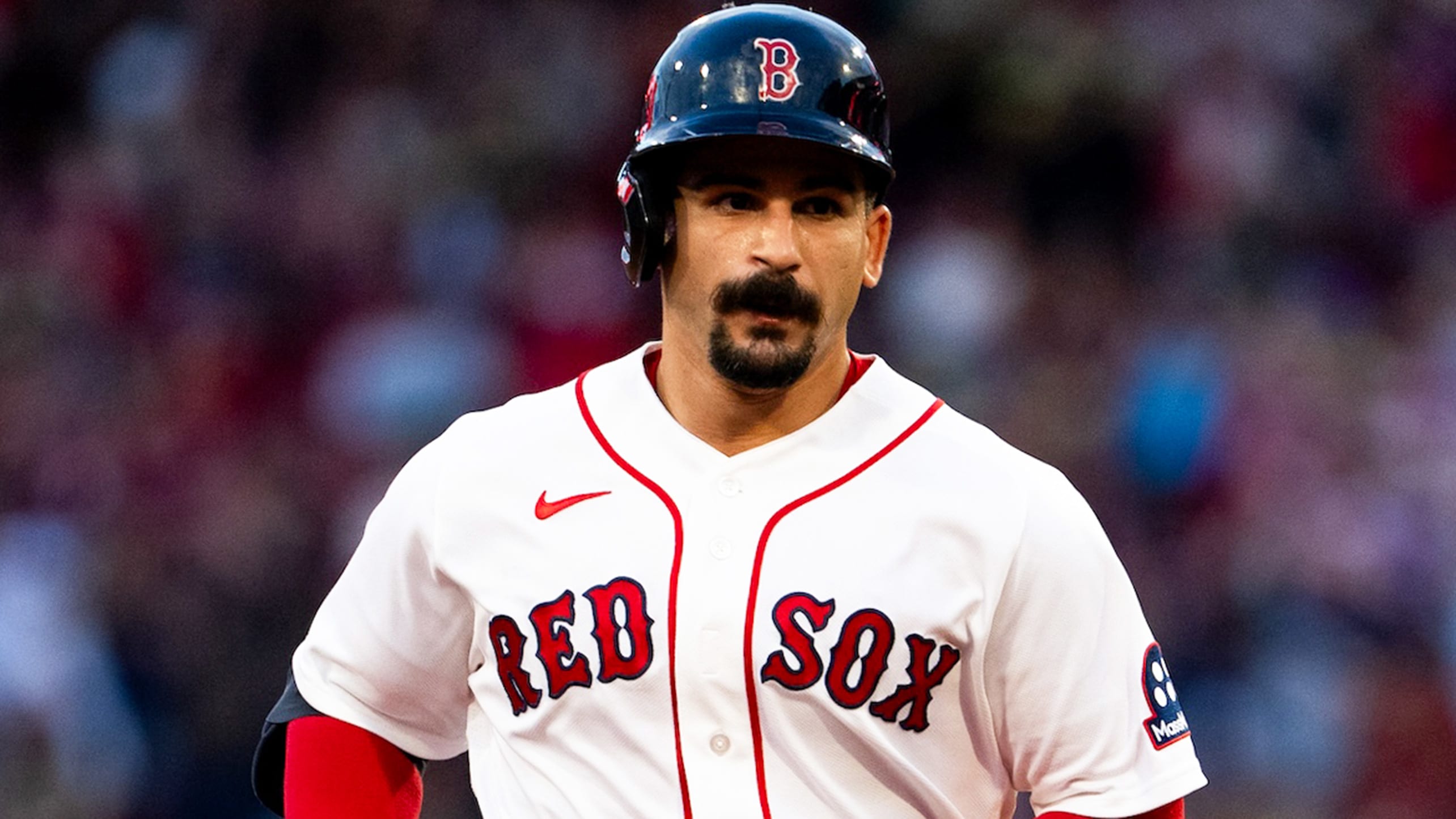
The Red Sox have resuscitated their season and now look like near-locks for a playoff spot, despite a 29-43 start that included the firing of manager Alex Cora. There have been some unlikely contributors to the bounceback in Beantown, but perhaps none more so than 30-year-old journeyman Mickey Gasper, whose own down-and-up story is perhaps even more extreme than his team’s.
Once a 27th-round Draft pick by the Yankees, the New Hampshire native’s pro baseball odyssey is now on its second stint with the Sox — following a 2024 cup of coffee — but only after he was selected off waivers twice in less than a month during the winter. Boston has optioned Gasper to Triple-A Worcester three times this season, but around those setbacks, he’s posted an .882 OPS in 170 plate appearances as a DH/catcher/first baseman. The Sox wouldn’t be here without him.
Read Ian Browne’s story for much more on Gasper’s journey >>
— Andrew Simon
250 FOR 250: BEST PLAYER SEASONS

For our penultimate 250 for 250 list, we’re taking a look at the top 10 greatest seasons of all time.
These are all-time performances by all-time greats from every era of baseball history. That means everything from Shohei Ohtani’s 50-50 season, to Ichiro’s debut year, to the Summer of Pedro and so much more.
© 2026 MLB Advanced Media, L.P. MLB trademarks and copyrights are used with permission of Major League Baseball. Visit MLB.com. Any other marks used herein are trademarks of their respective owners.
Please review our Privacy Policy.
You (pahovis@aol.com) received this message because you registered to receive commercial email messages from MLB.com.
Please add info@marketing.mlbemail.com to your address book to ensure our messages reach your inbox. If you no longer wish to receive commercial email messages from MLB.com, please unsubscribe or log in and manage your email subscriptions.
Postal Address: MLB.com, c/o MLB Advanced Media, L.P., 1271 Avenue of the Americas, New York, NY 10020.

