Author Archives: RJ Hamster
I was born on 6 August 1956 in San Francisco, California to Janet and (the late) Richard Hovis.
I grew up in Santa Monica, California where I attended elementary, junior high school, and high school (graduating in 1974), in addition to involvement in sports and recreation (Little League +, the Boy’s Club ++). Further, it was in elementary school – St. Augustine’s By-the -Sea Parish School that I found, and made the choice to truly journey with God.
I attended Arizona State University from 1974 to 1977 – seeking to become an architect, however, I was not accepted, and, as such, I graduated with a Liberal Arts degree.
Upon graduation from Arizona State University, I attended Cal Poly San Luis Obispo and studied City and Regional Planning at the Master’s level. I successfully completed one (1) year in a two (2) year program – I did not complete the Master’s degree in City and Regional Planning – due to personal reasons.
I returned to Santa Monica where I started (October 1979) my career as graphic designer with Exxon Company, USA. I spent five years with Exxon Company, USA.
While working with Exxon Company, USA I was accepted into architectural school – Sci-Arc in Southern California, however, I did not attend preferring to stay with Exxon..
In 1982 I married Laura Flosi and in April 1983 we had our one and only child – Lauren Alain Hovis – a gift from God.
We moved to Phoenix, Arizona in 1984 from Los Angeles, where I went to work as a graphic designer with Kitchell CEM (from 1985 -1987).
From 1987 – 1995 I was an independent contractor, and a registered representative in mortgage finance, financial management, graphic design, and drafting.
Further, I attended the University of Phoenix and successfully obtained a Master’s in Business Administration (MBA) in 1982.
I was also a member of the Scottsdale Jaycees, where I became very involved in community events and projects.
In 1994, I accepted a cartography position with the Defense Mapping Agency in Reston, Virginia. As such, I relocated from Phoenix to Reston.
In 1998, I was accepted and worked as a Visual Information Officer with the Central Intelligence Agency. In 2002, I worked as a Support Officer until my retirement (due to a need for shoulder surgery) in September 2018.
Away from my Federal Government service, I have been involved in various organizations and activities in Northern Virginia.
In November of 2011, I married Rebecca Ouellette in Santa Monica, California. I reside in San Tan Valley, AZ with my two hamster - Jess and Timothy, our fish, our lizard - RJ Lizard., and our cats - Pearl and Grey.
As to hobbies, I enjoy playing sports, attending sporting events, mentoring individuals from financial management to hamsters, building models, photography, travel, multimedia design, managing partner for RJ Hamster, and jazz – smooth jazz to a samba or a bossa nova.
Love and God Bless,
Peter – aka RJ Hamster Jo hi
Your Night Prayer
The Marriage of Mary & JosephLearn More
A Night Prayer
Jesus Christ, my God, I adore You and thank You for all the graces You have given me this day. I offer You my sleep and all the moments of this night. I place myself and all my loved ones, wherever they may be, in Your sacred side and under the mantle of Our Blessed Mother. Let Your holy angels stand watch and keep us in peace. Amen.
Quote of the Night
“In him we have redemption through his blood, the forgiveness of our trespasses, according to the riches of his grace.”Ephesians 1:7
Today’s Meditation
“In order to succeed in abandoning ourselves to God as much as He desires, we must watch attentively over all the movements of the soul, in spiritual matters as well as in the most common one.” —Br. Lawrence, pg. 33
An excerpt from The Practice of The Presence of GodSHOP NOW
Join Fr. Joseph Matlak every evening for spiritual reflections and prayer.
Our Best Flavors: Now As K-Cups
Browse our full collection of rich coffee that inspires you to aim for heaven.
With flavor profiles like Guadalupe Mexican Mocha and St. Benedict Chocolate Hazelnut, there’s a selection for every Catholic coffee lover, and K-cups make for a quick and easy brew without sacrificing acclaimed flavors.
Recommended For You
Blue Jade & Crystal Miraculous RosaryPersonalized Ave Maria Bible
The daily examination of conscience is an ancient Catholic practice. It’s very simple, and it’s designed to help us identify our sins and weaknesses so that we can improve and grow stronger in the spiritual life, while providing an excellent ongoing preparation for regular Confession. It consists of taking a few minutes at the end of the day to prayerfully review our actions in the light of God’s commandments, followed by the Act of Contrition.
Reflect on the victories and losses
- Review your actions, words, and thoughts today.
- Did you actively guard yourself against temptation? Where did sin creep in?
- In what moments did you practice virtue and moral courage?
- Were you attuned to the Holy Spirit’s promptings today? Where did you feel His inspiration?
- Ask Him for the graces necessary to follow His Will more purposefully tomorrow.

Practice Gratitude
- Where did you feel His loving gaze upon you today?
- What people or moments helped you see God in your life?
- Thank God for all these moments!
- Ask Him to help you recognize His blessings and providence tomorrow.

Renew your Christian commitment
- Thank God for the gift of His Son Jesus and our call to be His disciples
- Write down an intention for your day tomorrow, and ask Our Lord for His help in carrying it out
- Pray a Hail Mary, Guardian Angel prayer, or another beloved prayer

O my God, I am heartily sorry for having offended Thee, and I detest all my sins because of Thy just punishments, but most of all because they offend Thee, my God, Who art all good and deserving of all my love. I firmly resolve with the help of Thy grace to sin no more and to avoid the near occasions of sin. Amen.
By day the Lord commands His steadfast love; and at night His song is with me, a prayer to the God of my life.Psalm 42:8 Vespers (Evening)Compline (Night)
Please add NightPrayer@goodcatholic.com to your address book or list of approved senders.
Unsubscribe | Privacy Policy | Contact Us
Can’t see this email? View in Your Browser

A service of the Network
615 E Westinghouse Blvd Charlotte, North Carolina 28273 US
© 2026 Trinity Road, LLC. All rights reserved.
furtherreviewnow
furtherreviewnow.robly.com
The RJ Hamster morning Show
The awards race with a razor-thin margin


Thursday, August 27
Welcome to The Pregame Lineup, a weekday newsletter that gets you up to speed on everything you need to know for today’s games, while catching you up on fun and interesting stories you might have missed. Today’s edition is brought to you by David Adler.
We’ve been talking a lot about the MVP and Cy Young races this season, but maybe not enough about the Rookie of the Year race. Specifically, the National League Rookie of the Year race, which is a lot more wide-open than it was even a few weeks ago.
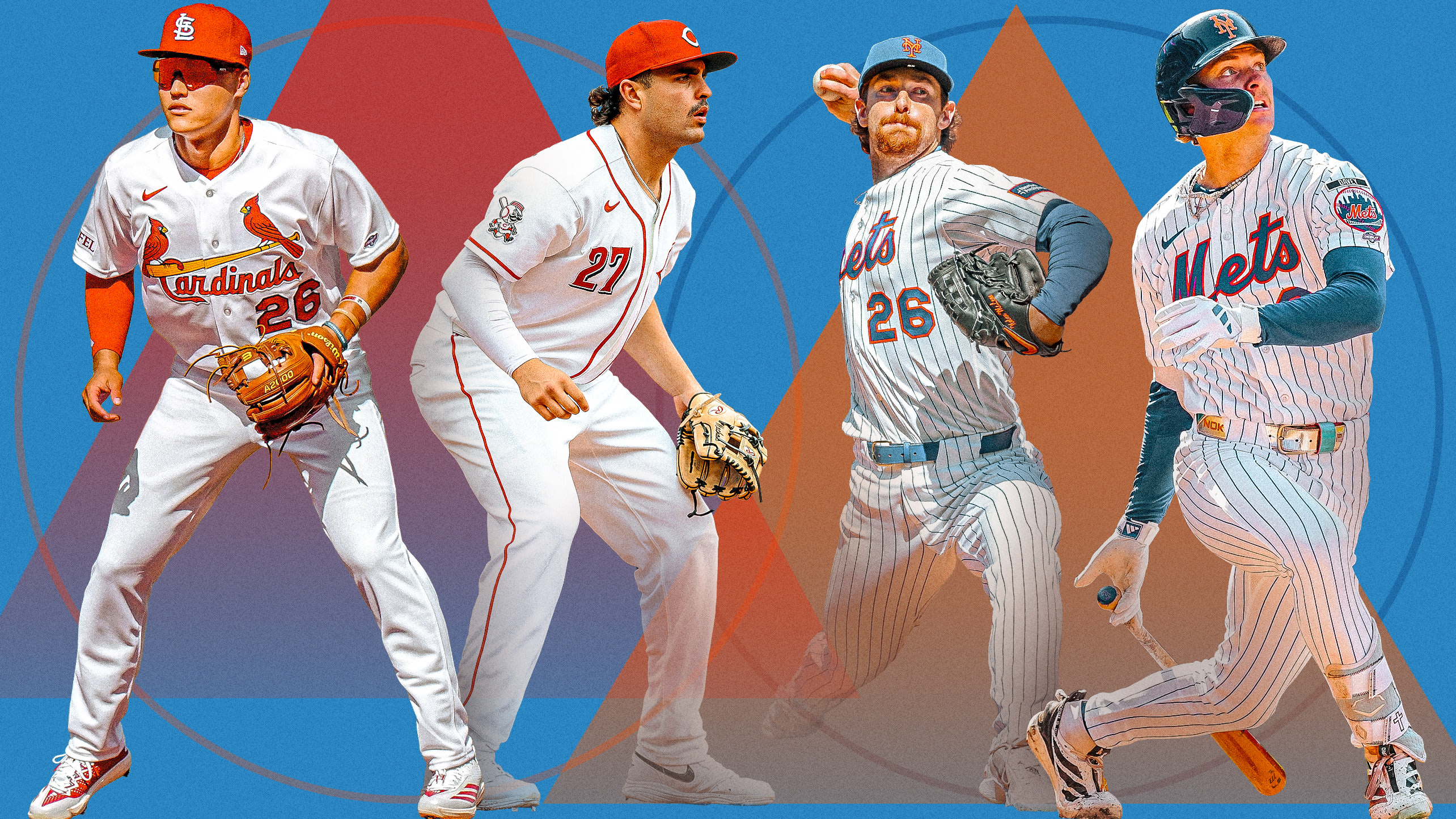
There are four legit contenders: Sal Stewart, JJ Wetherholt, Carson Benge and Nolan McLean. So today we’re taking a deep dive into the race.
Here’s a quick rundown of the case for all four candidates:
JJ Wetherholt, 2B, Cardinals
The case: He’s easily the best NL rookie by Wins Above Replacement.
WAR is a pretty good starting point here, and Wetherholt’s 4.5 WAR, according to FanGraphs, is well ahead of Benge’s 3.2, McLean’s 2.8 and Stewart’s 2.3.
Part of that is his offense (Wetherholt has 17 home runs and 14 stolen bases), but the big thing is his elite defense. Wetherholt is one of the best fielders in the league, no matter which stats you look at. Statcast has him behind only Pete Crow-Armstrong — and he’s not that far off.
Sal Stewart, 1B, Reds
The case: He might lead the Major Leagues in RBIs.
Stewart hasn’t just been the best run producer among rookies, he’s been the best run producer in the big leagues, period. His 100 RBIs lead the Majors, and if he finishes the season in first place, he’d be just the third rookie ever to do that, along with Ted Williams in 1939 and Walt Dropo in 1950. There’s a lot more to the game than RBIs, but, well … that’s a lot of RBIs.
Stewart also has 28 home runs; Wetherholt and Benge aren’t even within 10 of him.
Carson Benge, RF, Mets
The case: He’s been red-hot for months.
Benge had a rough first month in the big leagues, but since then, he’s been raking. He’s batting .303 with an .826 OPS since the start of May, which is better than Stewart (.256 average, .766 OPS) and WAY better than a slumping Wetherholt (.242 average, .683 OPS).
Benge is one of just eight .300 hitters in the entire Major Leagues since the start of May, and with 16 home runs and 19 stolen bases on the season, he could easily go 20-20. Benge also has a rocket arm in the outfield. If he stays hot down the stretch, and his fellow Rookie of the Year candidates can’t keep pace, Benge could swoop in and snatch the award.
Nolan McLean, SP, Mets
The case: He’s back at ace level.
McLean was a Rookie of the Year favorite to start the season. But after some rocky starts early on, he dropped a little bit off the radar. Now he’s back on it. McLean has a 1.97 ERA over his last 10 starts, and his numbers for the season are starting to look very strong: a 3.21 ERA in 26 starts, and 168 strikeouts in 148 2/3 innings.
If he keeps it up at the end of the year, you’re looking at a rookie workhorse with a low-3s ERA and close to 200 K’s. That’s a pretty compelling Rookie of the Year stat line.
Read our full NL Rookie of the Year deep dive >>
GAMES OF THE NIGHT
There’s only a handful of games tonight, but they’re good ones. Here are three to watch.
Astros at Yankees (7:05 p.m. ET, MLB.TV)
Gerrit Cole has been on both sides of this rivalry, and he faces his old team in tonight’s rubber game at Yankee Stadium. Cole, who pitched for the Astros from 2018-19 before joining the Yankees, is also eyeing a fun bit of history. Cole has 160 career wins, and with one more, he’ll tie Mike Moore for the most wins ever by a No. 1 overall Draft pick.
Brewers at Mets (7:10 p.m. ET, MLB.TV)
The No. 1 ace in our Starting Pitcher Power Rankings can pitch baseball’s No. 1 team to a series win tonight. Jacob Misiorowski continues to dominate every start, with an MLB-best 1.68 ERA and 216 strikeouts. The Brewers have an MLB-best 82 wins, and just clinched their sixth straight winning season. The Miz is looking for his first win against the Mets.
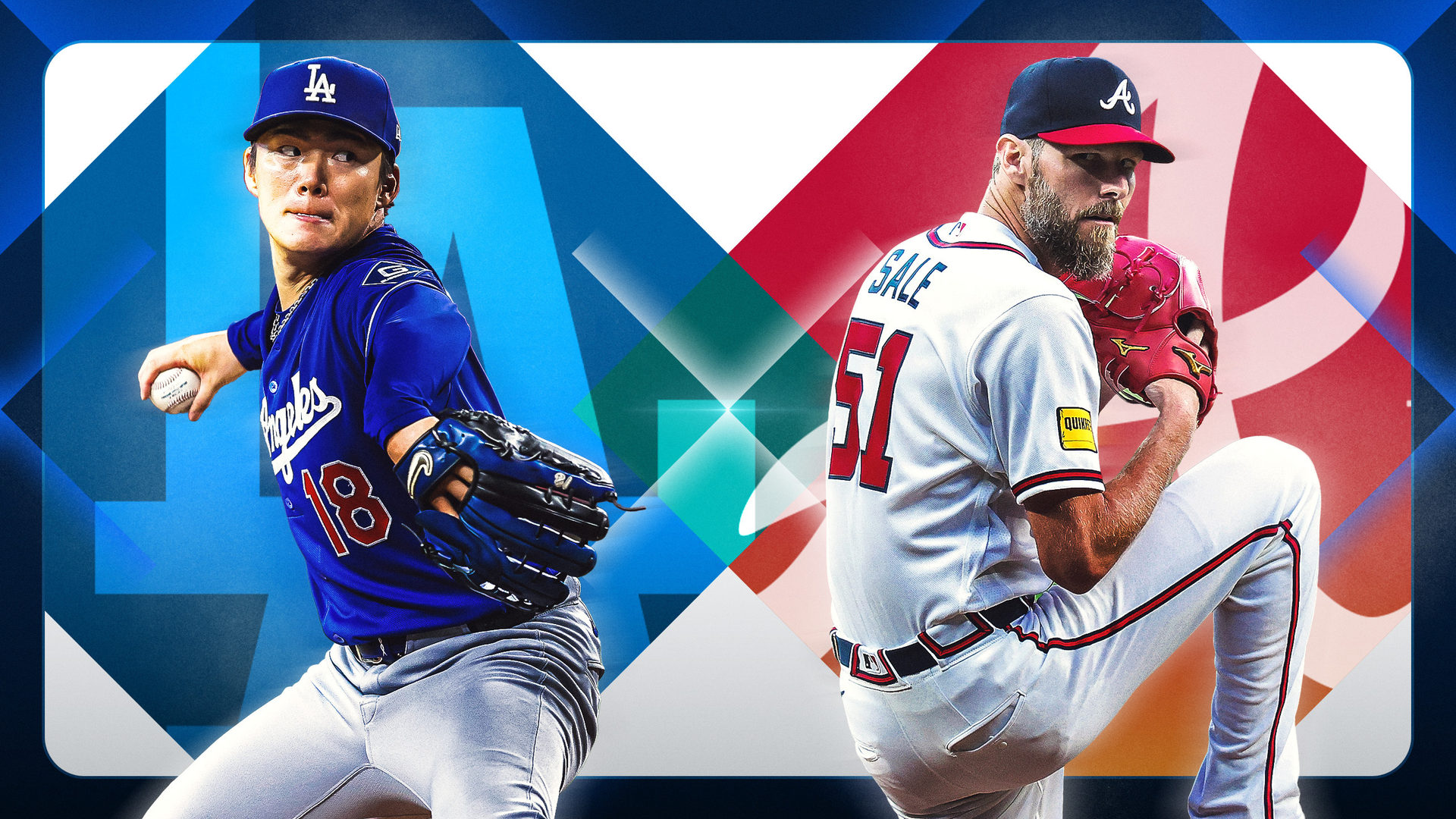
Dodgers at Braves (7:15 p.m. ET, FS1 / MLB.TV)
This series finale between these two first-place teams is a duel of Cy Young contenders: Yoshinobu Yamamoto vs. Chris Sale. Yamamoto, who ranks fourth in the NL with a 2.61 ERA, has not allowed a run in two career starts against the Braves. Sale, who ranks second with a 2.20 ERA, is a Dodgers nemesis who closed out the 2018 World Series against them. Who will win the battle of aces?
WATCH OUT FOR THE SOX, PRINCESS PEACH
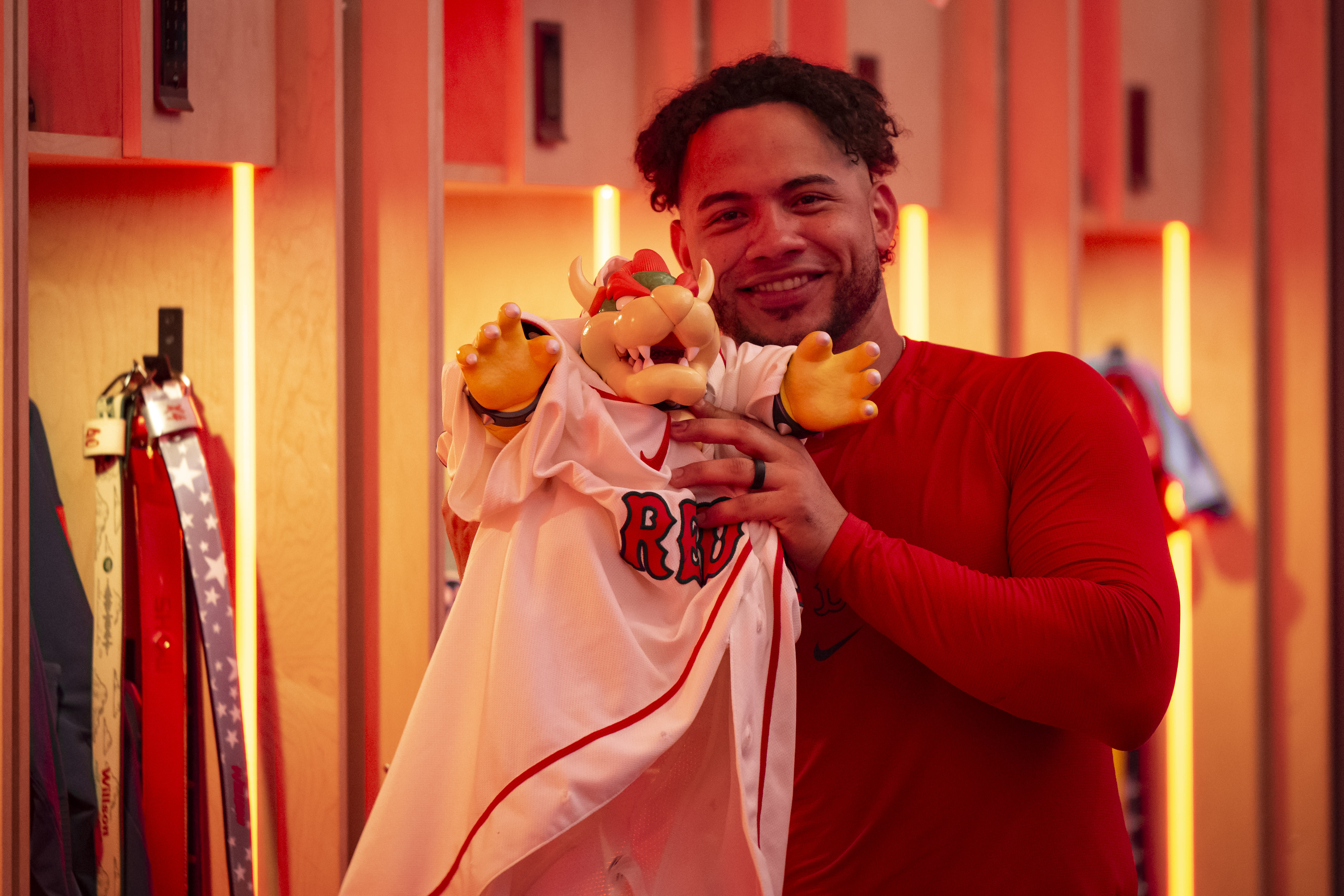
The Red Sox have a new monster mascot in town (sorry, Wally). It’s Bowser himself.
The Super Mario villain has become the face of the Red Sox season. And the fire-breathing, plumber-hating, princess-abducting King Koopa is leading the Sox straight to October.
The literal Bowser first appeared in the Red Sox clubhouse during the team’s last trip to New York in June — when Jarren Duran traded a fan for a foot-tall Bowser figurine. As Boston has gone on a roll toward a Wild Card spot, Bowser has become a fixture in the Boston clubhouse. He now travels with the team in the laundry hamper.
The ballplayer version of Bowser is Willson Contreras, who was given the nickname “Bowser” by Trevor Story. Contreras didn’t even know who the character was at first. But once Story kindly explained — and had a Bowser T-shirt made for Contreras — the star slugger went all-in. He even used a Bowser bat at the Home Run Derby.
Perla Paredes goes behind the scenes on Bowser in Boston >>
A WHITE SOX HAT FIT FOR A POPE
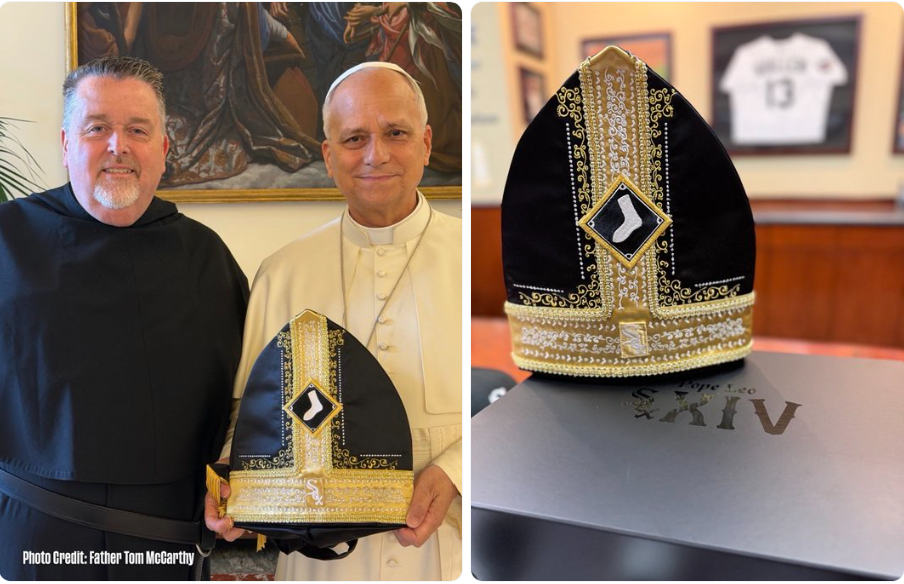
Pope Leo XIV can finally take his White Sox fandom to a level befitting a pontiff.
After the team’s wildly popular giveaway at Rate Field a few weeks ago, the White Sox Pope Hat has officially reached the Vatican.
Father Tom McCarthy, a Chicago native just like the pope, presented Pope Leo with the very special gift: a black-and-gold hat bearing the Sox white stocking logo.
Pope Leo, the world’s most famous White Sox fan, has been spotted wearing a White Sox cap at the Vatican before. Now he has some even fancier headgear, just in time for Chicago’s playoff push.
250 FOR 250: GREATEST RIVALRIES

You know all about the great team rivalries in baseball. Yankees-Red Sox. Dodgers-Giants. Cubs-Cardinals. Mets-Braves. And so on.
That’s not what we’re doing for today’s 250 for 250. Yes, we’re looking at 10 top rivalries in MLB history — but it’s not “team vs. team.” We’re having some fun with it.
We’ve got rivalries like Big Mac vs. Slammin’ Sammy — throwing it back to the great home run race of 1998 between Mark McGwire and Sammy Sosa. We’ve got Billy vs. the Boss — Yankees manager Billy Martin’s long-running feud with owner George Steinbrenner.
And you have to see whose rival Tommy Lasorda is.
See the full top 10 rivalries list >>


© 2026 MLB Advanced Media, L.P. MLB trademarks and copyrights are used with permission of Major League Baseball. Visit MLB.com. Any other marks used herein are trademarks of their respective owners.
Please review our Privacy Policy.
You (peter.hovis@gmail.com) received this message because you registered to receive commercial email messages from MLB.com.
Please add info@marketing.mlbemail.com to your address book to ensure our messages reach your inbox. If you no longer wish to receive commercial email messages from MLB.com, please unsubscribe or log in and manage your email subscriptions.
Postal Address: MLB.com, c/o MLB Advanced Media, L.P., 1271 Avenue of the Americas, New York, NY 10020.
Luke 14:25-27 – The Cost of Discipleship: Surrender and Sacrifice for His Kingdom
Having trouble reading this email? View it in your browser.


Luke 14:25-27
(25) And there went great multitudes with him: and he turned, and said unto them, (26) If any man come to me, and hate not his father, and mother, and wife, and children, and brethren, and sisters, yea, and his own life also, he cannot be my disciple. (27) And whosoever doth not bear his cross, and come after me, cannot be my disciple.
King James Version Change email Bible version
That which costs nothing is not worth anything. When King David needed to build an altar to the Lord, he would not accept the free gift of the threshing floor because it cost him nothing (II Samuel 24:21-25). To David, a sacrifice was worthless if it cost the offerer nothing. The discipleship to which Christ calls us means a life of surrender to God’s willand sacrifice for His cause. If we count the cost of a full submission to Christ’s claim on us, we also must count on His grace and help to become one with Him. His disciples do not make the journey to His Kingdom for free—it costs them their lives.
The costliness of commitment to God’s will is seen in the example of Jesus. He requires nothing of us that He Himself has not done. Christ lived with the humiliation and agony that often accompanies living according to the will of God. Both the Father and the Son counted the cost before proceeding with their plan for the salvation of humanity. In being sent into the world, Jesus knew ahead of time what it would take to accomplish the divine goal. He left His Father’s house to build His church so that the gates of Hades could never prevail against it (Matthew 16:18).
— Martin G. Collins
To learn more, see:
Parables of Counting the Cost
Topics:
Commentary copyright © 1992-2026 Church of the Great God


Subscription Information
This daily newsletter was sent to you at peterhovis@me.com because you subscribed at www.theberean.org on Apr 14, 2017.
Email Preferences | Unsubscribe
Church of the Great God
P.O. Box 471846
Charlotte, NC 28247
803-802-7075
Logging in was never supposed to be this complicated


Follow @FlipboardSee More in The Daily EditionDownload App





Stay informed and inspired!
Download Flipboard to get the latest news and stories on the topics you care about.

Real men don’t bike The 19th · Jessica Kutz How cars became the symbol of American manhood.




Was this sent to you by a friend? For more like it, subscribe here.BLOG · CAREERS · ADVERTISEUpdate your email preferences or unsubscribe here.View our privacy policy here.©2026 Flipboard, Inc. Made with love at 555 Bryant St #352 Palo Alto, CA 94301
Luke 14:25-27 – The Cost of Discipleship: Surrender and Sacrifice for His Kingdom
Having trouble reading this email? View it in your browser.
Luke 14:25-27
(25) Now great multitudes went with Him. And He turned and said to them, (26) “If anyone comes to Me and does not hate his father and mother, wife and children, brothers and sisters, yes, and his own life also, he cannot be My disciple. (27) And whoever does not bear his cross and come after Me cannot be My disciple.
New King James Version Change email Bible version
That which costs nothing is not worth anything. When King David needed to build an altar to the Lord, he would not accept the free gift of the threshing floor because it cost him nothing (II Samuel 24:21-25). To David, a sacrifice was worthless if it cost the offerer nothing. The discipleship to which Christ calls us means a life of surrender to God’s willand sacrifice for His cause. If we count the cost of a full submission to Christ’s claim on us, we also must count on His grace and help to become one with Him. His disciples do not make the journey to His Kingdom for free—it costs them their lives.
The costliness of commitment to God’s will is seen in the example of Jesus. He requires nothing of us that He Himself has not done. Christ lived with the humiliation and agony that often accompanies living according to the will of God. Both the Father and the Son counted the cost before proceeding with their plan for the salvation of humanity. In being sent into the world, Jesus knew ahead of time what it would take to accomplish the divine goal. He left His Father’s house to build His church so that the gates of Hades could never prevail against it (Matthew 16:18).
— Martin G. Collins
To learn more, see:
Parables of Counting the Cost
Topics:
Commentary copyright © 1992-2026 Church of the Great God
New King James Version®, Copyright© 1982, Thomas Nelson. All rights reserved.
Subscription Information
This daily newsletter was sent to you at pahovis@aol.com because you subscribed at www.bibletools.org on Jan 30, 2011.
Email Preferences | Unsubscribe
Church of the Great God
P.O. Box 471846
Charlotte, NC 28247
803-802-7075
5-game HR streak for rookie is bananas!

Thursday, August 27
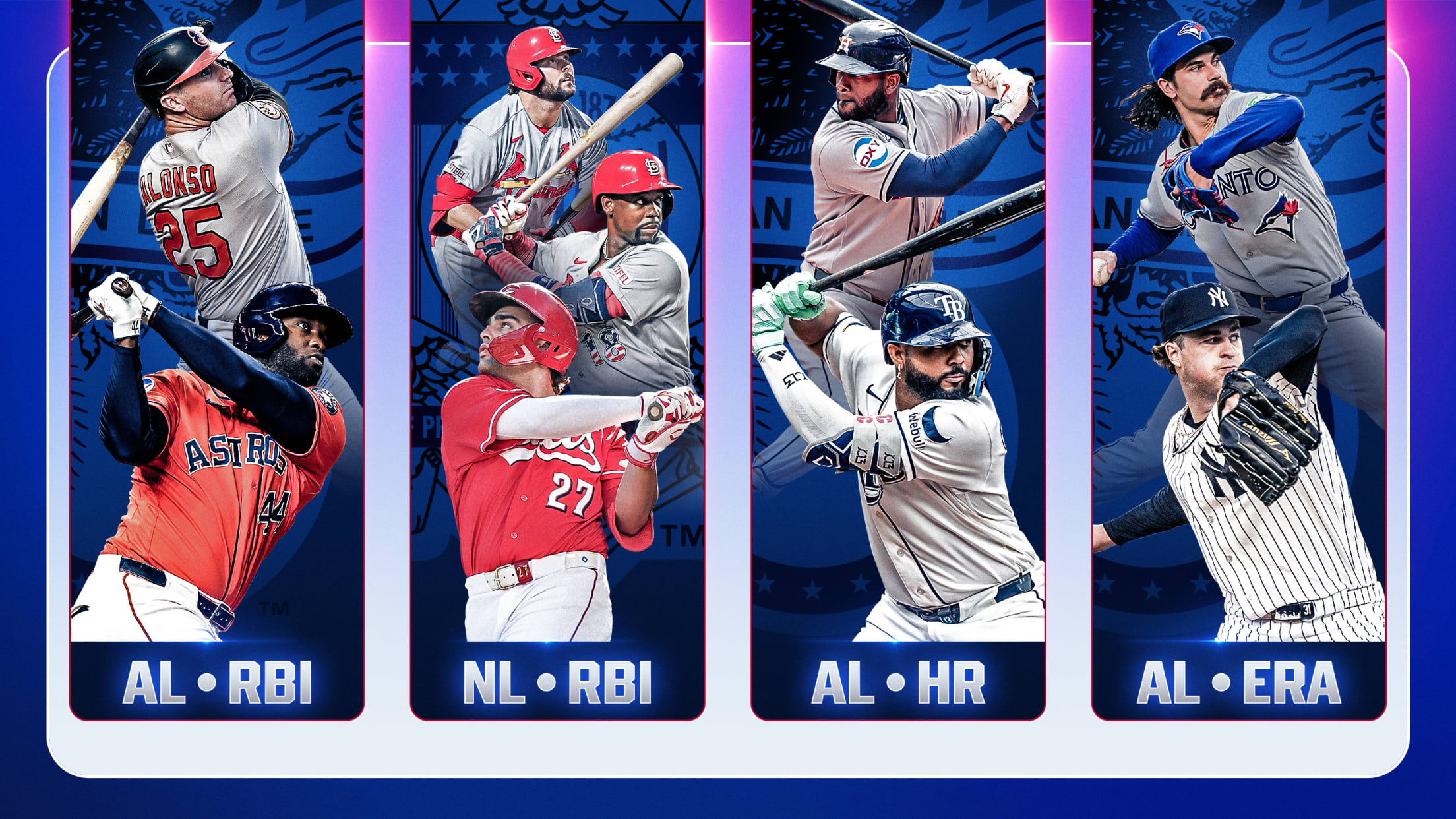
10 scintillating stat races coming down to the wire
There are less than five weeks left in the regular season, and while Yordan Alvarez is still in pole position to win the AL Triple Crown, it’s not the only thing to keep your eyes on down the stretch.
YOUR NEWS

This 6-foot-4 prospect has two 4-game home run streaks … this month!
Lawlar’s homer, Rodriguez’s gem (with lucky break) lead D-backs to win
TOP NEWS

Five for Peters! White Sox LF ties rookie, club marks with HR in 5 straight games

Schwarber becomes MLB’s 1st to 40 HRs, and joins elite company doing so

Unlikely hero Kim proves why Braves stuck by him with walk-off hit

Crew overcomes May’s 1-pitch start on squirrelly night in Queens

Crow-Armstrong, Cubs upset by missed balk call in shutout loss

Reds’ 7-run rally the club’s largest 9th-inning comeback in 68 years!
STAFF PICKS
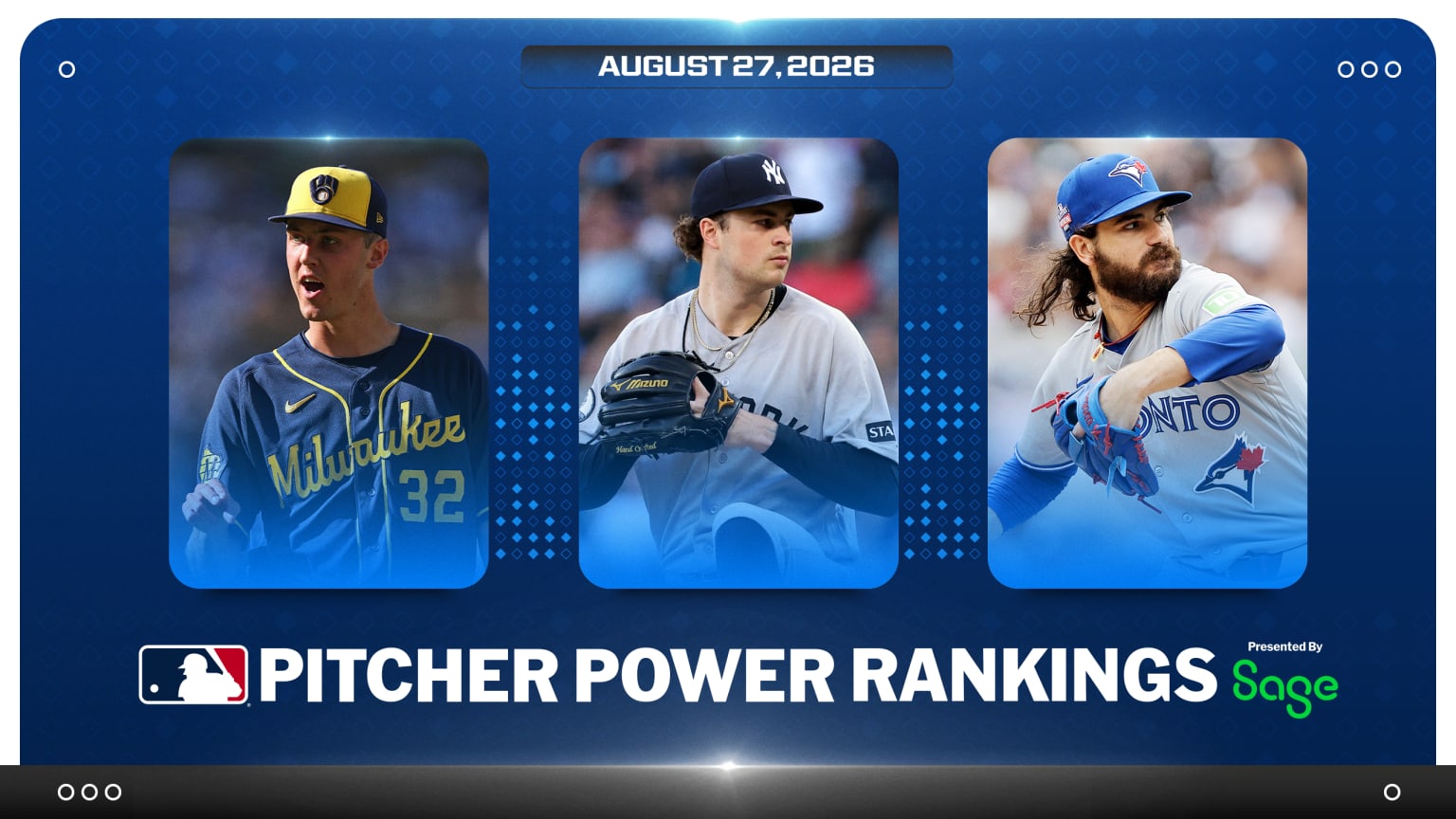
Another change near — but not at — the top of latest Pitcher Power Rankings
If we’ve learned one thing heading into our newest Starting Pitcher Power Rankings, it’s this: There is no unseating The Miz. But there has been some shuffling behind him.

These hitters have been hotter than hot in August
Three players taken in the 2026 Draft entered the professional ranks with some rather scorching bats. Check out their early returns among the current red-hot prospects for each organization.

Ouch! That’s gonna leave a mark (and did!)
As if we needed any proof that José Ramírez hits the ball with authority, Guardians rookie Travis Bazzana has the bruise to prove it.
ADD MLB AS YOUR PREFERRED SOURCE ON GOOGLE
TOP PERFORMANCES


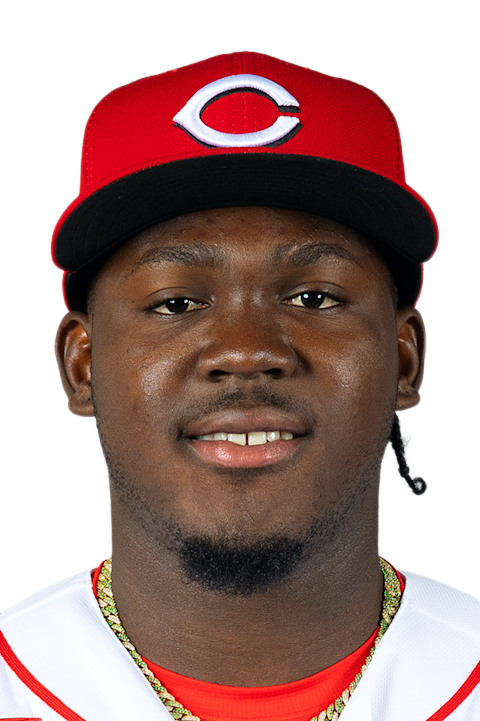
Longest Home Run
Hunter Goodman
435 ft
8th Inning
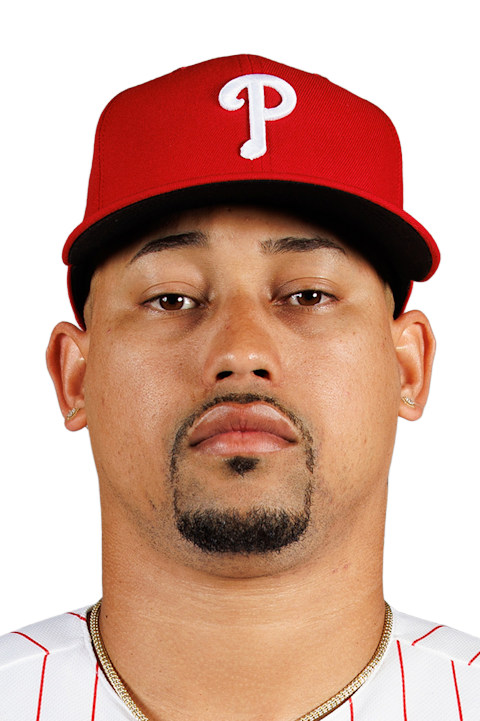
Hardest Base Hit
Héctor Rodríguez
115.2 mph
9th Inning
Fastest Strikeout
Jhoan Duran
100.6 mph
9th Inning

Decisive Play
Guardians
44.9% WPA
9th Inning

4 HRs in past 6 games; 7-for-10 with 5 RBIs, 5 R in series vs. HOU

3-0, 1.31 ERA with 46 K’s, 9 BB in 5 August starts

2 HRs; 3rd CIN Splash Hit at Oracle Park (Votto, Moustakas in ‘21)
Has thrown 17 2/3 consecutive scoreless IP; wins in 7 of past 9 starts
81st career HR, most by a primary catcher in Rockies history
PLAY A SPORCLE BASEBALL QUIZ!

MUST-SEE PLAY

Ceddanne Rafaela’s red socks cover some fleet feet.
MLB NETWORK
Rockies vs. Nationals in the afternoon
Hunter Goodman and the Rockies are in our nation’s capital to take on CJ Abrams and the Nationals at 1 p.m. ET.
SCOREBOARD

TB 3
DET 0
CHC 0
AZ 2

CIN 10
SF 9

CLE 4
LAA 3

PIT 0
SD 3

PHI 6
SEA 0

BOS 0
MIA 4

COL 13
WSH 1

HOU 3
NYY 9

KC 0
TOR 3

MIL 8
NYM 1

LAD 5
ATL 6

TEX 4
CWS 10
BAL 8
STL 7

MIN 4
ATH 7
© 2026 MLB Advanced Media, L.P. MLB trademarks and copyrights are used with permission of Major League Baseball. Visit MLB.com. Any other marks used herein are trademarks of their respective owners.
Please review our Privacy Policy.
You (pahovis@aol.com) received this message because you registered to receive commercial email messages from MLB.com.
Please add info@marketing.mlbemail.com to your address book to ensure our messages reach your inbox. If you no longer wish to receive commercial email messages from MLB.com, please unsubscribe or log in and manage your email subscriptions.
Postal Address: MLB.com, c/o MLB Advanced Media, L.P., 1271 Avenue of the Americas, New York, NY 10020.
Catch up on new stories you might have missed

Top headlines from publishers you follow
Honda’s Threat to Skip a New Factory Isn’t About Honda. It’s About a Trade Deal Stuck in LimboWhen a Honda executive stands in front of reporters in Washington and says the company might not build its next North American…
The Auto WireFord’s New Safety Chief Used to Regulate Ford. That’s Exactly the Point.Ford spent 2026 setting two records that shouldn’t exist in the same year. It became the most recalled automaker in…
The Auto WireStellantis Wants to Beam a Hologram Into Your Robotaxi’s Driver Seat. Here’s What It’s Not Telling You.Somewhere in Stellantis’ latest patent filing sits an admission the company will never put in a press release: the empty…
The Auto WireChina Isn’t Sneaking Into Europe’s Car Factories — Stellantis And Nissan Are Handing Over The KeysPicture an Opel dealer in Zaragoza a couple of years from now, selling a compact crossover that shares its underpinnings…
The Auto WireKia Settles Over Optima and Sportage Windows Falling Into DoorsIf you owned a 2016 or 2017 Optima or a 2017 Sportage and remember the specific noise a door makes when the glass…
The Auto WireHyundai Just Settled Its Strike. Its Next New Hire Doesn’t Need a Raise, a Union Card, or a Retirement Age.Hyundai Motor and its union reached a tentative agreement this week to end the company’s first full-day strike in a…
The Auto Wire
More top storiesFor everything from troubled hearts to lost keys, Greeks bake cakes for a wish-granting saintSee more from Associated Press →‘He’s human’: Mason Miller gave up his first home run in over a yearSee more from USA TODAY→Chris Hansen Is Buying Ads for His Network to Play Before Every Showing of“ ”Robert Pattinson’s “Primetime”See more from People →
Popular publishers and creatorsThe Daily Beast
Publisher
The Daily Beast delivers award-winning original reporting, fact-informed analysis, and sharp opinion across politics…+ FollowHITC
Publisher
HITC is a British sport news website focused primarily on football, with coverage extending to Formula 1, NBA, Tennis…+ FollowTyler Hayes
Creator
I’ve been covering consumer electronics since 2013 for outlets like PCMag, Business Insider, Newsweek, and more. I…+ FollowJoni Sweet
Creator
Joni Sweet is a seasoned travel writer who covers adventure and wellness experiences around the world.+ Follow

The Yodel
Get a rundown of the day’s top headlines right in your inbox every weekday morning.Subscribe to newsletter →
Take Yahoo News with you
Unsubscribe | Terms | Privacy Policy | Help
770 Broadway, New York, NY 10003
© 2026 Yahoo Inc. All rights reserved.

