Why One Energy Expert Is Betting on These 3 Oil Stocks Now
Author: Bridget Bennett. First Published: 3/5/2026.
Key Points
Oil-price volatility tied to Middle East risk is keeping energy stocks in focus, with North America-facing operators viewed as less exposed to overseas disruption.
Marc Lichtenfeld’s picks span the supply chain: a producer (APA), a refiner (Marathon Petroleum), and a midstream “toll collector” (Enterprise Products Partners).
The common thread is cash flow: value in upstream, potential margin upside in refining, and steadier income in midstream.
Energy markets have been anything but calm lately. Oil prices surged and then pulled back as geopolitical tensions in the Middle East reverberated through global markets. That volatility can make investors uneasy, but it also creates opportunities.
In a recent conversation with Marc Lichtenfeld of the Oxford Club, the discussion centered on how investors can navigate this environment and where compelling opportunities may lie in the energy sector. Lichtenfeld highlighted three companies he believes combine solid fundamentals, income potential and exposure to key parts of the energy supply chain.
Geopolitical Tensions Are Driving Oil Price Volatility
Gold didn’t dip from $5,423 to $5,000—it was forced down. After the Iran strikes, something inside the gold market broke.
While retail investors hesitate, the smart money is quietly loading up on a little-known Shadow Miner positioned for what happens next. On March 31st, a 90-year-old law could expose what’s really inside the vaults, and when that happens, this Iran discount disappears overnight.See the ticker before the reset
Recent geopolitical developments have reminded markets how sensitive oil prices are to global events: supply disruptions and concerns about critical transportation routes can push prices higher quickly. Lichtenfeld pointed specifically to tensions involving Iran as a major catalyst for the recent moves.
“Given what’s happening geopolitically… oil prices are going to spike,” Lichtenfeld explained. “I’d be surprised if oil comes all the way back down and settles where it was before the war started.”
One key factor investors are watching is the Strait of Hormuz, a critical shipping lane for global oil flows. If that route is disrupted, the impact on prices could be significant. “Until we know that the Strait of Hormuz is wide open and traffic can flow through there freely, there’s going to be price pressure on oil,” he added.
Because of that uncertainty, Lichtenfeld is focusing on companies operating primarily in North America rather than those that rely heavily on overseas supply chains.
APA Offers Value in the Upstream Segment
The first stock highlighted was APA Corporation (NASDAQ: APA), an oil and gas producer operating primarily in the Permian Basin and the North Sea. APA represents the upstream portion of the industry—companies that extract oil and gas from the ground.
Lichtenfeld noted the company’s improving financial performance and attractive valuation. “It’s a company that’s been around for a long time, it’s well managed and generating lots of cash flow,” he said. “It trades at just eight times earnings and less than three times cash flow, so I think it’s a bargain.”
APA has also made progress on cost reductions, reaching savings goals earlier than expected. Those efficiency gains could help boost margins and support continued earnings growth. For investors seeking exposure to oil producers without paying premium valuations for larger names, APA may represent an attractive opportunity.
Marathon Petroleum Could Benefit From Refining Margins
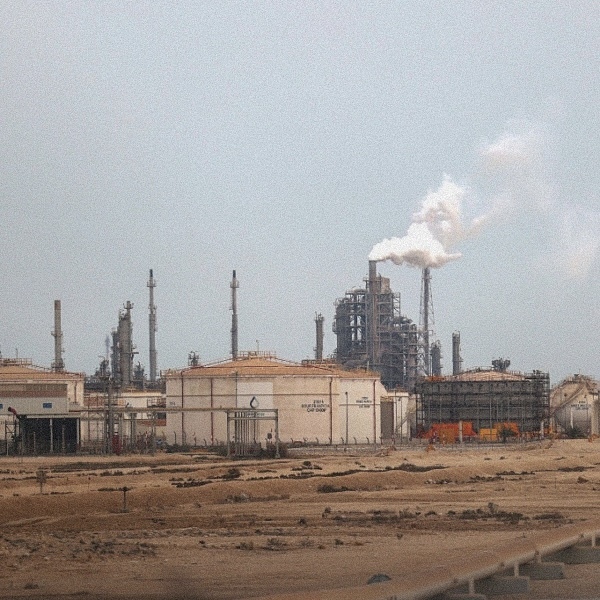
The second company discussed was Marathon Petroleum Corporation (NYSE: MPC), which represents the downstream side of the industry. Marathon operates the largest refining system in the United States and can process roughly three million barrels of oil per day, giving it scale when refining margins expand.
Periods of oil price volatility can actually help refiners. “When oil prices are volatile or rising, you tend to see margins improve at refineries,” Lichtenfeld explained. That dynamic has already appeared in the company’s results, which show strong earnings growth and continued significant cash flow.
Lichtenfeld also pointed to the stock’s technical trend as supportive of a bullish outlook. “I like to buy things that are rising,” he said. “I’m not a bottom feeder. I don’t try to pick the bottom.”
With the stock already trading in a strong uptrend, Marathon could continue to benefit if oil-market volatility keeps refining margins elevated.
Enterprise Products Partners Provides Income and Stability
The final stock focuses on the midstream segment: pipeline infrastructure. Enterprise Products Partners L.P. (NYSE: EPD)operates a vast network of pipelines that transport oil and natural gas across the United States.
Midstream companies often generate stable cash flow because they operate more like infrastructure providers than commodity producers. “These companies are basically toll collectors,” Lichtenfeld said. “The companies transporting their oil and gas just pay a fee to use the pipeline.”
Because of that structure, Enterprise Products Partners produces consistent income for investors. The partnership currently offers a distribution yield of nearly 6% and has increased its payout for more than 25 consecutive years. Its master limited partnership structure also offers potential tax advantages for income-focused investors.
Diversification Within Energy
A central theme from the conversation was diversification within the energy sector itself. Rather than concentrating on a single segment, Lichtenfeld favors a mix of upstream, midstream and downstream companies.
That approach helps balance risk, since each segment tends to perform differently depending on market conditions. With oil prices sensitive to global events and supply risks, energy stocks could remain in focus throughout the year. For investors looking to position themselves in the sector, these three companies offer exposure to different parts of the energy ecosystem while potentially benefiting from continued volatility.
Thank you for subscribing to StockReport.com, our daily newsletter that highlights a new stock each day.
This message is a paid advertisement sent on behalf of Behind the Markets, a third-party advertiser of StockReport.com and MarketBeat.
If you need help with your newsletter, please feel free to email us at contact@stockreport.com.
If you no longer wish to receive email from StockReport.com, you can unsubscribe.
Copyright 2006-2026 MarketBeat Media, LLC dba StockReport.com. All rights reserved. 345 N Reid Pl., Suite 620, Sioux Falls, South Dakota 57103. USA..
One overlooked stock could go vertical soon (ad)Imagine for a second that you could call the top or bottom of a trend to the exact candlestick before it even happens and front-run the move to take your shots at payouts, even in today’s chaotic market. One secret I’ll reveal to you does just that—it predicted the COVID crash, the 2022 bear market, and last year’s trade war crash by tracking when Wall Street algos are accumulating or distributing on a particular price before the major reversal happens, giving you a window to jump in and target payouts. This same secret is flashing a huge opportunity on one overlooked stock right now, and from what I see coming, this ticker could go on a parabolic run.
Louis Navellier, who spent 47 years on Wall Street, says this is the beginning of the largest wealth transfer in American history. He’s identified the 10 companies poised to capture it — and the ones being destroyed by it.
Recent U.S. Insider BuyingCompanyInsider NameBuy/SellSharesTotal TransactionTransaction DateCurrent PriceSEC FilingAFCG AFC GammaLeonard M Tannenbaum DirectorBuy90,600 shares @ $2.59$234,654.003/18/2026$2.66AFCG AFC GammaLeonard M Tannenbaum DirectorBuy60,600 shares @ $2.59$156,954.003/19/2026$2.66AIRS AirSculpt TechnologiesJorey Chernett Major ShareholderBuy77,702 shares @ $2.64$205,133.283/19/2026$2.84BETR Better Home & FinanceVentures Iv L.P. Framework Major ShareholderBuy53,000 shares @ $28.48$1,509,440.003/19/2026$28.30CORT Corcept TherapeuticsG Leonard Baker Jr DirectorBuy100,000 shares @ $33.14$3,314,000.003/17/2026$35.60CRM SalesforceLaura Alber DirectorBuy2,571 shares @ $194.58$500,265.183/19/2026$194.80GO Grocery OutletErik D Ragatz DirectorBuy33,997 shares @ $5.85$198,882.453/18/2026$5.86GO Grocery OutletErik D Ragatz DirectorBuy50,000 shares @ $5.75$287,500.003/19/2026$5.86NSP InsperityPaul J Sarvadi CEOBuy16,987 shares @ $22.58$383,566.463/17/2026$25.05NSP InsperityPaul J Sarvadi CEOBuy160,000 shares @ $23.22$3,715,200.003/18/2026$25.05NSP InsperityPaul J Sarvadi CEOBuy25,000 shares @ $23.60$590,000.003/19/2026$25.05SBSW Sibanye GoldThabane Vincent Maphai DirectorBuy12,000 shares @ $13.34$160,080.003/16/2026$11.30STIM NeuroneticsJorey Chernett Major ShareholderBuy607,400 shares @ $1.35$819,990.003/18/2026$1.39STIM NeuroneticsJorey Chernett Major ShareholderBuy450,000 shares @ $1.33$598,500.003/19/2026$1.393 Signs It May Be Time to Switch Financial Advisors… (ad)Are You Overpaying Your Capital Gains Tax Bill?
If you’ve sold investments or property in the last year, you may be able to reduce capital gains taxes depending on your situation. Take this free 2-minute quiz to get matched with a fiduciary advisor in your area who may be able to help you keep more of what you’ve built.
Recent U.S. Insider SellingCompanyInsider NameBuy/SellSharesTotal TransactionTransaction DateCurrent PriceSEC FilingAEIS Advanced Energy IndustriesPaul R Oldham EVPSell4,314 shares @ $315.99$1,363,180.863/18/2026$318.99AFL AflacPost Holdings Co. Ltd. Japan Major ShareholderSell15,700 shares @ $109.77$1,723,389.003/17/2026$106.67AFL AflacPost Holdings Co. Ltd. Japan Major ShareholderSell12,200 shares @ $108.43$1,322,846.003/18/2026$106.67AGRO AdecoagroMariano Bosch CEOSell100,000 shares @ $14.50$1,450,000.003/19/2026$14.26AI C3.aiThomas M Siebel ChairmanSell219,294 shares @ $8.67$1,901,278.983/18/2026$8.42AI C3.aiThomas M Siebel ChairmanSell282,203 shares @ $8.86$2,500,318.583/17/2026$8.42ALAB Astera LabsJitendra Mohan CEOSell157,500 shares @ $131.58$20,723,850.003/17/2026$116.82ALHC Alignment HealthcareSebastian Burzacchi COOSell15,361 shares @ $17.84$274,040.243/18/2026$17.38ALHC Alignment HealthcareHyong Kim InsiderSell18,404 shares @ $17.84$328,327.363/18/2026$17.38ALHC Alignment HealthcareChristopher J Joyce InsiderSell25,125 shares @ $17.84$448,230.003/18/2026$17.38ALHC Alignment HealthcareDawn Christine Maroney PresidentSell36,749 shares @ $17.84$655,602.163/18/2026$17.38ALHC Alignment HealthcareJohn E Kao CEOSell73,046 shares @ $17.84$1,303,140.643/18/2026$17.38ALHC Alignment HealthcareRobert L Scavo InsiderSell11,285 shares @ $17.84$201,324.403/18/2026$17.38ALHC Alignment HealthcareAndreas P Wagner InsiderSell12,000 shares @ $17.84$214,080.003/18/2026$17.38ALHC Alignment HealthcareAndreas P Wagner InsiderSell11,602 shares @ $18.22$211,388.443/19/2026$17.38ALOY REalloysGust Kepler InsiderSell62,000 shares @ $12.89$799,180.003/17/2026$12.20AMBA AmbarellaFeng-Ming Wang CEOSell18,976 shares @ $52.77$1,001,363.523/17/2026$54.22AMBA AmbarellaFeng-Ming Wang CEOSell8,083 shares @ $54.14$437,613.623/19/2026$54.22AMBA AmbarellaChi-Hong Ju VPSell4,729 shares @ $52.77$249,549.333/17/2026$54.22AMBA AmbarellaChan W Lee InsiderSell6,729 shares @ $52.77$355,089.333/17/2026$54.22AMBA AmbarellaChan W Lee InsiderSell3,641 shares @ $54.14$197,123.743/19/2026$54.22AMBA AmbarellaJohn Alexander Young CFOSell4,577 shares @ $52.77$241,528.293/17/2026$54.22AMBA AmbarellaJohn Alexander Young CFOSell3,038 shares @ $54.14$164,477.323/19/2026$54.22ANDE AndersonsJohn T Stout Jr DirectorSell2,500 shares @ $70.30$175,750.003/17/2026$65.80ANET Arista NetworksKenneth Duda InsiderSell32,000 shares @ $134.14$4,292,480.003/17/2026$131.39ANET Arista NetworksKenneth Duda InsiderSell26,000 shares @ $134.14$3,487,640.003/17/2026$131.39APEI American Public EducationKarmela Gaffney CMOSell2,700 shares @ $55.87$150,849.003/17/2026$53.48APG APi GroupMartin E Franklin DirectorSell3,000,000 shares @ $40.88$122,640,000.003/19/2026$39.68AR Antero ResourcesBenjamin A Hardesty DirectorSell12,000 shares @ $44.00$528,000.003/19/2026$43.55BCIC Portman Ridge FinanceDean C Kehler DirectorSell23,000 shares @ $7.97$183,310.003/18/2026$7.30BCIC Portman Ridge FinanceDean C Kehler DirectorSell27,378 shares @ $7.60$208,072.803/19/2026$7.30BMBL BumbleBx Buzz Ml-1 Gp Llc Major ShareholderSell7,477,504 shares @ $3.51$26,246,039.043/17/2026$3.74BMBL BumbleHoldings Gp Man Blackstone III Major ShareholderSell7,477,504 shares @ $3.51$26,246,039.043/17/2026$3.74BMBL Bumble- Nq L.L.C. Btoa Major ShareholderSell7,477,504 shares @ $3.51$26,246,039.043/17/2026$3.74BMBL BumbleBuzz Holdings L.P. Bcp Major ShareholderSell7,477,504 shares @ $3.51$26,246,039.043/17/2026$3.74BX BlackstoneBx Buzz Ml-1 Gp Llc Major ShareholderSell7,477,504 shares @ $3.51$26,246,039.043/17/2026$110.64CF CF IndustriesRichard A Hoker VPSell3,499 shares @ $125.38$438,704.623/17/2026$127.03CF CF IndustriesBert A Frost EVPSell6,000 shares @ $126.00$756,000.003/17/2026$127.03CF CF IndustriesErik M Mayer VPSell1,500 shares @ $124.69$187,035.003/17/2026$127.03CHH Choice Hotels InternationalScott E Oaksmith CFOSell1,603 shares @ $100.00$160,300.003/18/2026$98.33CIFR Cipher MiningPatrick Arthur Kelly COOSell35,568 shares @ $14.98$532,808.643/16/2026$13.95CLH Clean HarborsEric W Gerstenberg CEOSell1,000 shares @ $293.00$293,000.003/18/2026$280.74CLH Clean HarborsMarcy L Reed DirectorSell836 shares @ $287.94$240,717.843/18/2026$280.74CME CME GroupJonathan L Marcus General CounselSell3,291 shares @ $333.37$1,097,120.673/17/2026$307.51CNOB ConnectOne BancorpMichael W Kempner DirectorSell67,800 shares @ $14.75$1,000,050.008/11/2020$25.80CNR Core Natural ResourcesJames A Brock CEOSell40,760 shares @ $101.15$4,122,874.003/18/2026$103.75COCO Vita CocoKenneth Sadowsky DirectorSell3,900 shares @ $56.92$221,988.003/18/2026$53.54CRDO Credo Technology GroupChi Fung Cheng CTOSell27,500 shares @ $107.90$2,967,250.003/17/2026$102.96CRWV CoreWeaveNitin Agrawal CFOSell38,456 shares @ $83.23$3,200,692.883/17/2026$79.98CSCO Cisco SystemsDeborah L Stahlkopf EVPSell7,981 shares @ $79.50$634,489.503/17/2026$78.24CSCO Cisco SystemsOliver Tuszik EVPSell3,132 shares @ $79.74$249,745.683/18/2026$78.24CSTL Castle BiosciencesDerek J Maetzold InsiderSell18,650 shares @ $25.93$483,594.503/17/2026$25.06CTMX CytomX TherapeuticsMarcia Belvin SVPSell31,492 shares @ $6.42$202,178.643/17/2026$4.53CTMX CytomX TherapeuticsSean A Mccarthy CEOSell118,969 shares @ $6.42$763,780.983/17/2026$4.53CW Curtiss-WrightGary A Ogilby VPSell252 shares @ $689.14$173,663.283/18/2026$672.48DELL Dell TechnologiesIv (Gp) L.L.C. Slta DirectorSell25,735 shares @ $154.39$3,973,226.653/18/2026$163.58DELL Dell TechnologiesIv (Gp) L.L.C. Slta DirectorSell74,258 shares @ $152.28$11,308,008.243/18/2026$163.58DELL Dell TechnologiesV (Gp) L.L.C. Slta DirectorSell237,431 shares @ $154.40$36,659,346.403/17/2026$163.58DOCU DocusignRobert Chatwani InsiderSell16,696 shares @ $48.10$803,077.603/18/2026$47.77DSP Viant TechnologyCapital V Llc Major ShareholderSell15,000 shares @ $11.80$177,000.003/17/2026$11.46EBAY eBayMazen Rawashdeh SVPSell23,167 shares @ $93.59$2,168,199.533/17/2026$88.83EBAY eBayCornelius Boone SVPSell16,685 shares @ $92.44$1,542,361.403/18/2026$88.83EBAY eBayJordan Douglas Bradle Sweetnam SVPSell12,978 shares @ $92.44$1,199,686.323/18/2026$88.83FANG Diamondback EnergySteven E West DirectorSell6,000 shares @ $188.35$1,130,100.003/18/2026$193.08FANG Diamondback EnergyMatt Zmigrosky EVPSell4,101 shares @ $190.51$781,281.513/18/2026$193.08FANG Diamondback EnergyTeresa L Dick CAOSell5,000 shares @ $190.00$950,000.003/18/2026$193.08FLNC Fluence EnergyHeynitz Harald Von DirectorSell10,000 shares @ $16.50$165,000.003/18/2026$15.19FSLY FastlyScott R Lovett InsiderSell34,953 shares @ $22.28$778,752.843/17/2026$25.05FSLY FastlyScott R Lovett InsiderSell41,682 shares @ $26.45$1,102,488.903/18/2026$25.05FVCB FvcbankcorpPhillip R Wills III DirectorSell11,462 shares @ $14.81$169,752.223/17/2026$14.71FWRG First Watch Restaurant GroupChristopher Anthony Tomasso CEOSell25,062 shares @ $12.52$313,776.243/17/2026$12.29GAP GAPKatrina O’connell CFOSell8,486 shares @ $23.74$201,457.643/19/2026$23.97GAP GAPMark Breitbard CEOSell8,486 shares @ $23.73$201,372.783/19/2026$23.97GILT Gilat Satellite NetworksAdi Sfadia CEOSell48,978 shares @ $16.85$825,279.303/18/2026$16.72GLBE Global-e OnlineShahar Tamari COOSell16,666 shares @ $33.81$563,477.463/18/2026$33.15GOOG AlphabetJohn L Hennessy DirectorSell1,050 shares @ $303.41$318,580.503/16/2026$298.45GVA Granite ConstructionKyle T Larkin CEOSell7,314 shares @ $119.84$876,509.763/19/2026$116.57GVA Granite ConstructionStaci M Woolsey CFOSell1,523 shares @ $119.84$182,516.323/19/2026$116.57HRTG Heritage InsuranceSharon Binnun CAOSell7,893 shares @ $28.35$223,766.553/17/2026$25.35HSY HersheySteven E Voskuil CFOSell1,500 shares @ $216.71$325,065.003/18/2026$209.98HUBS HubSpotBrian Halligan DirectorSell8,500 shares @ $262.75$2,233,375.003/17/2026$258.23INCY IncytePablo J Cagnoni InsiderSell18,667 shares @ $94.24$1,759,178.083/17/2026$91.49INR Infinity Natural ResourcesDavid Sproule InsiderSell275,000 shares @ $17.43$4,793,250.003/18/2026$18.02JOE St. JoeBruce R Berkowitz Major ShareholderSell21,100 shares @ $72.22$1,523,842.003/17/2026$64.47KEYS Keysight TechnologiesRonald S Nersesian DirectorSell30,000 shares @ $285.96$8,578,800.003/17/2026$282.59KGS Kodiak Gas ServicesPedro R Buhigas InsiderSell13,942 shares @ $55.73$776,987.663/19/2026$56.57KMTS Kestra Medical TechnologiesBrian Daniel Webster InsiderSell15,000 shares @ $20.27$304,050.003/17/2026$19.43KVYO KlaviyoAndrew Bialecki CEOSell200,000 shares @ $19.37$3,874,000.003/17/2026$18.53LAZ LazardChristopher Hogbin CEOSell7,885 shares @ $40.37$318,317.453/18/2026$39.36LAZ LazardChristopher Hogbin CEOSell3,944 shares @ $39.37$155,275.283/19/2026$39.36LPTH LightPath TechnologiesRun Strategic Opportunit North DirectorSell104,454 shares @ $12.01$1,254,492.543/17/2026$10.63LPTH LightPath TechnologiesRun Strategic Opportunit North DirectorSell16,000 shares @ $12.00$192,000.003/18/2026$10.63LVS Las Vegas SandsPatrick Dumont CEOSell60,165 shares @ $54.75$3,294,033.753/17/2026$53.18LWAY Lifeway FoodsEdward Smolyansky Major ShareholderSell14,353 shares @ $17.77$255,052.813/19/2026$17.99LWAY Lifeway FoodsLudmila Smolyansky Major ShareholderSell10,000 shares @ $18.74$187,400.003/18/2026$17.99MARA Marathon DigitalFrederick G Thiel CEOSell27,505 shares @ $9.18$252,495.903/17/2026$8.67MEDP MedpaceJesse J Geiger PresidentSell31,707 shares @ $455.30$14,436,197.103/17/2026$455.17MSCI MSCIAndrew C Wiechmann CFOSell450 shares @ $560.00$252,000.003/17/2026$552.16NE NobleRichard B Barker CFOSell150,000 shares @ $46.63$6,994,500.003/18/2026$46.31NE NobleRobert W Eifler CEOSell100,000 shares @ $46.62$4,662,000.003/18/2026$46.31NJR NewJersey ResourcesRichard Reich SVPSell5,449 shares @ $52.99$288,742.513/19/2026$52.93NMIH NMIBradley M Shuster ChairmanSell18,996 shares @ $37.05$703,801.803/19/2026$36.76NN NextNavMariam Sorond CEOSell11,322 shares @ $16.85$190,775.703/17/2026$17.87NRDS NerdWalletSamuel Yount InsiderSell71,988 shares @ $10.32$742,916.163/17/2026$10.14NRT North European Oil Royality TrustRichard Page Howard InsiderSell25,000 shares @ $8.62$215,500.003/17/2026$9.65PAHC Phibro Animal HealthJack Bendheim CEOSell5,280 shares @ $51.66$272,764.803/17/2026$50.83PAHC Phibro Animal HealthJack Bendheim CEOSell10,560 shares @ $52.68$556,300.803/18/2026$50.83PAHC Phibro Animal HealthJack Bendheim CEOSell7,040 shares @ $52.52$369,740.803/19/2026$50.83PLXS PlexusTodd P Kelsey CEOSell1,500 shares @ $194.24$291,360.003/18/2026$196.61PR Permian ResourcesWilliam J Quinn DirectorSell512,429 shares @ $19.59$10,038,484.113/18/2026$20.14PR Permian ResourcesAron Marquez DirectorSell7,750 shares @ $19.62$152,055.003/18/2026$20.14RDW RedwireAe Red Holdings, Llc DirectorSell996,927 shares @ $10.10$10,068,962.703/17/2026$9.23RDW RedwireAe Red Holdings, Llc DirectorSell81,319 shares @ $10.01$814,003.193/18/2026$9.23RIVN Rivian AutomotiveRobert J Scaringe CEOSell17,450 shares @ $15.60$272,220.003/17/2026$15.06ROIV Roivant SciencesEric Venker CEOSell200,000 shares @ $28.24$5,648,000.003/17/2026$27.36RPGL RPGLCetera Wealth Services, Llc Major ShareholderSell648,767 shares @ $0.55$356,821.853/19/2026$0.64RVMD Revolution MedicinesLin Wei InsiderSell2,073 shares @ $99.48$206,222.043/17/2026$95.89RVMD Revolution MedicinesStephen Michael Kelsey InsiderSell4,302 shares @ $99.48$427,962.963/17/2026$95.89RVMD Revolution MedicinesMark A Goldsmith InsiderSell12,871 shares @ $99.48$1,280,407.083/17/2026$95.89RVMD Revolution MedicinesMargaret A Horn COOSell4,583 shares @ $99.48$455,916.843/17/2026$95.89RVMD Revolution MedicinesJack Anders CFOSell2,753 shares @ $99.48$273,868.443/17/2026$95.89RVMD Revolution MedicinesXiaolin Wang InsiderSell2,010 shares @ $99.48$199,954.803/17/2026$95.89S SentinelOneTomer Weingarten CEOSell38,864 shares @ $14.47$562,362.083/17/2026$14.37SE SEADavid Y Ma DirectorSell72,435 shares @ $85.38$6,184,500.303/18/2026$79.68SE SEAGang Ye COOSell10,000 shares @ $85.17$851,700.003/18/2026$79.68SFM Sprouts Farmers MarketBrandon F Lombardi InsiderSell11,745 shares @ $81.59$958,274.553/18/2026$83.89SFM Sprouts Farmers MarketTimmi Zalatoris InsiderSell9,820 shares @ $83.93$824,192.603/18/2026$83.89SFM Sprouts Farmers MarketJack Sinclair CEOSell4,754 shares @ $83.50$396,959.003/18/2026$83.89SO SouthernChristopher Cummiskey EVPSell6,669 shares @ $96.55$643,891.953/19/2026$94.53STOK Stoke TherapeuticsBarry Ticho InsiderSell6,164 shares @ $33.01$203,473.643/17/2026$34.26STOK Stoke TherapeuticsBarry Ticho InsiderSell6,686 shares @ $31.34$209,539.243/18/2026$34.26SVCO Silvaco GroupKatherine S Ngai-Pesic Major ShareholderSell250,000 shares @ $2.15$537,500.006/26/2025$6.57SVCO Silvaco GroupKatherine S Ngai-Pesic Major ShareholderSell300,000 shares @ $2.26$678,000.009/16/2025$6.57SVCO Silvaco GroupKatherine S Ngai-Pesic Major ShareholderSell400,000 shares @ $2.00$800,000.0011/25/2025$6.57TARS Tarsus PharmaceuticalsBobak R Azamian CEOSell10,972 shares @ $69.42$761,676.243/17/2026$65.83TARS Tarsus PharmaceuticalsBobak R Azamian CEOSell11,667 shares @ $68.71$801,639.573/18/2026$65.83TARS Tarsus PharmaceuticalsBobak R Azamian CEOSell11,964 shares @ $67.00$801,588.003/19/2026$65.83TARS Tarsus PharmaceuticalsDianne C Whitfield InsiderSell4,029 shares @ $69.42$279,693.183/17/2026$65.83TARS Tarsus PharmaceuticalsDianne C Whitfield InsiderSell4,071 shares @ $68.71$279,718.413/18/2026$65.83TARS Tarsus PharmaceuticalsDianne C Whitfield InsiderSell4,174 shares @ $67.00$279,658.003/19/2026$65.83TARS Tarsus PharmaceuticalsBryan Wahl General CounselSell4,084 shares @ $69.42$283,511.283/17/2026$65.83TARS Tarsus PharmaceuticalsBryan Wahl General CounselSell4,125 shares @ $68.71$283,428.753/18/2026$65.83TARS Tarsus PharmaceuticalsBryan Wahl General CounselSell4,231 shares @ $67.00$283,477.003/19/2026$65.83TDG Transdigm GroupW Nicholas Howley DirectorSell10,132 shares @ $1,213.05$12,290,622.603/18/2026$1,178.54TEVA Teva Pharmaceutical IndustriesMark Sabag InsiderSell62,102 shares @ $30.14$1,871,754.283/17/2026$28.87TGT TargetMatthew A Liegel CAOSell2,053 shares @ $117.19$240,591.073/17/2026$113.19TLS TelosEdward Hutchinson Jr. Robbins EVPSell64,527 shares @ $4.02$259,398.543/18/2026$4.36TTAN ServiceTitanAra Mahdessian CEOSell2,288 shares @ $69.86$159,839.683/18/2026$67.70TTAN ServiceTitanVahe Kuzoyan PresidentSell3,220 shares @ $69.86$224,949.203/18/2026$67.70TTAN ServiceTitanDavid Sherry CFOSell17,778 shares @ $69.86$1,241,971.083/18/2026$67.70TTAN ServiceTitanMichele O’connor CAOSell5,154 shares @ $69.86$360,058.443/18/2026$67.70TW Tradeweb MarketsJustin Peterson CTOSell3,212 shares @ $124.76$400,729.123/18/2026$125.48TWST Twist BioscienceRobert Chess DirectorSell10,000 shares @ $47.00$470,000.003/17/2026$42.51UTHR United TherapeuticsPaul A Mahon EVPSell8,300 shares @ $529.95$4,398,585.003/19/2026$523.61UTHR United TherapeuticsMartine A Rothblatt CEOSell9,500 shares @ $529.59$5,031,105.003/18/2026$523.61UUUU Energy FuelsDaniel Kapostasy VPSell25,000 shares @ $18.84$471,000.003/18/2026$16.95VG Venture GlobalSarah Blake CAOSell200,000 shares @ $16.00$3,200,000.003/19/2026$15.50VG Venture GlobalJonathan W Thayer CFOSell2,611,111 shares @ $16.08$41,986,664.883/19/2026$15.50VG Venture GlobalJonathan W Thayer CFOSell611,112 shares @ $14.04$8,580,012.483/18/2026$15.50VICR VicorPatrizio Vinciarelli CEOSell50,000 shares @ $196.18$9,809,000.003/18/2026$173.04WULF TeraWulfPatrick Fleury CFOSell573,586 shares @ $16.14$9,257,678.043/17/2026$15.09WULF TeraWulfPatrick Fleury CFOSell26,414 shares @ $16.14$426,321.963/17/2026$15.09ZS ZscalerAdam Geller InsiderSell1,485 shares @ $156.59$232,536.153/17/2026$152.19ZS ZscalerAdam Geller InsiderSell2,094 shares @ $153.53$321,491.823/18/2026$152.193 Signs It May Be Time to Switch Financial Advisors… (ad)3 Signs It May Be Time to Switch Financial Advisors…
Your goals aren’t being heard, you’re making costly tax mistakes, or your portfolio strategy may not be aligned with market conditions. This free quiz matches you with vetted fiduciary advisors who serve your area — each legally bound to work in your interest. No cost, no commitment.
Top Insider-Buying Stocks (Last 30 Days)CompanyShares PurchasedTotal Cost of Shares PurchasedNumber of Insider PurchasesNumber of Insiders BuyingCurrent Share PriceMarketBeat Consensus RatingMarketBeat Consensus Price TargetRead MoreSSP E.W. Scripps1,332,085$5,733,766.003416$3.46Reduce$6.95HTGC Hercules Capital90,850$1,333,812.00119$14.36Moderate Buy$18.71KRRO Korro Bio1,656,800$18,407,048.0088$10.88Moderate Buy$37.29NCDL Nuveen Churchill Direct Lending47,547$635,105.0077$13.20Hold$15.40EML Eastern17,680$347,161.00117$20.31Hold$0.00CWBC Community West Bancshares2,570$54,518.0066$22.47Moderate Buy$24.33AVBC Avidia Bancorp11,183$212,192.0086$19.11Sell$0.00BWFG Bankwell Financial Group25,216$1,179,898.0095$46.28Moderate Buy$52.00AMRZ Amrize77,834$4,511,344.0085$52.94Moderate Buy$64.14FFIN First Financial Bankshares20,500$643,502.0075$28.94Hold$38.00
Top Insider-Selling Stocks (Last 30 Days)CompanyShares SoldTotal Cost of Shares SoldNumber of Insider SalesNumber of Insiders SellingCurrent Share PriceMarketBeat Consensus RatingMarketBeat Consensus Price TargetRead MoreVICR Vicor413,687$74,985,481.002414$173.04Buy$118.33FSLR First Solar75,989$14,921,902.004211$192.10Moderate Buy$248.17KTOS Kratos Defense & Security Solutions71,110$6,359,504.001210$85.88Moderate Buy$98.28MKSI MKS68,503$17,288,099.001310$226.13Moderate Buy$273.46SFM Sprouts Farmers Market123,410$10,036,789.002810$83.89Moderate Buy$101.75QSR Restaurant Brands International421,490$30,905,540.00149$73.56Moderate Buy$79.19LSCC Lattice Semiconductor36,929$3,482,651.00149$89.74Moderate Buy$102.64MATX Matson42,550$7,034,602.0099$155.96Hold$156.25IRTC iRhythm Technologies94,509$12,734,195.00179$116.65Moderate Buy$209.46ADUS Addus HomeCare16,610$1,768,970.00189$99.47Moderate Buy$134.33More Calendars from MarketBeat and InsiderTrades.comToday’s Insider Trades CEO Purchases CFO Purchases COO Purchases Top Insider Buying Stocks Top Insider Selling Stocks Insider Trades Screener MarketBeat All Access
Thank you for subscribing to InsiderTrades.com’s Insider Trades Daily Newsletter!
We are committed to providing the most complete and most accurate coverage of corporate insider buying and selling activity disclosed to the Securities and Exchange Commission. InsiderTrades.com is a subsidiary of MarketBeat Media, LLC and MarketBeat.com.
If you need assistance with your newsletter, please email our South Dakota based support team at contact@marketbeat.com.
Yesterday, we put out a call for all questions and feedback related to my FutureProof 2026 event on Wednesday.
What came back showed me two things…
First, the folks who attended FutureProof 2026 are taking my prediction very seriously — both the warning and the opportunity that the Market Shock will bring.
Also, I knew I needed to get back to you as quickly as I could, because these questions really get to the heart of why it’s critical to get your next move right in this moment in time…
Read on for my favorite four questions…
Q: Eric, I hear you using the terms “Market Shock” and “Regime Change” when you talk about what’s about to happen to the stock market. Are those the same thing? Or what’s the difference?
A: Good place to start. They’re related, but they’re not the same thing.
The Market Shock is the trigger. On April 24th, a wave of Silicon Valley announcements will begin spilling out of Microsoft, Apple, Meta, Alphabet, Amazon.
All within about a week of each other. They will expose, for the first time publicly, a fatal flaw in the AI buildout that no amount of money can fix quickly.
That’s the moment $10 trillion in capital starts looking for the exit.
The Regime Change is what follows. It’s the full reorganization of stock market winners and losers — capital rotating out of the Magnificent 7 and into the companies supplying what I call AI’s “Golden Rivets.”
Every great technology boom eventually collides with reality. It led to the dot-com crash of 2000. The railroad panic of 1873. The aviation bust of 1929.
The companies that created the hype collapse.
The companies that do the hard work of building the vision thrive.
Q: You’re saying stocks like Microsoft, Apple, Meta, Alphabet, Amazon could lose 50% of their value! Won’t that crash the entire market? If so, have a hard time imagining anything will go up.
A: It’s a fair concern. The Magnificent 7 make up roughly a third of the S&P 500. If they go, the index goes with them. So, trying to “diversify” into an S&P 500 fund would be a lateral move — not a safe one.
After the dot-com crash, the S&P 500 fell more than 40% peak to trough.
But here’s what most people don’t remember about that same period: energy, insurance, base metals stocks all posted triple-digit gains. You could have enjoyed over 500% gains on precious metals in the same time frame.
As an analyst, I was recommending sells on dot-com darlings and buys on stocks almost no one was paying attention to. While the broader market was falling, the stocks I recommended offered gains ranging from 159% to more than 1,000% over the following five years.
That’s the opportunity inside the chaos. The fall of the current leaders and the rise of a new ruling class.
When the Market Shock hits… if you panic, you lose. For disciplined investors who know where to look, it could be one of the most exciting periods of the decade.
Q: Big Tech has unlimited money. So why can’t they write checks to solve their own supply bottlenecks?
A: Money can do many things, but it cannot alter physical reality.
An AI hyperscaler could write a $10 billion check tomorrow to open a new copper mine.
But it would take seven to ten years minimum until the first copper nugget was extracted. Nuclear is more like a 15-year timeline.
The more Big Tech competes for the same limited resources, the more they bid up prices.
This creates a highly asymmetric investment opportunity once you know where all the money is flowing — and will continue to flow for years (and sometime decades) to come.
Q: You’ve put a lot of emphasis on April 24th. What if nothing happens — does your whole “Market Shock” thesis fall apart?
A: April 24th isn’t a magic date where the sky falls. It’s a catalyst window — when Microsoft, Apple, Meta, Alphabet, and Amazon all come forward with announcements that I believe will alter the trajectory of the stock market going forward.
Listen carefully to what they say and you’ll hear the first hints of cracks in the AI story that money and hype cannot patch.
Could my timing be off? Possibly. Based on comments Elon Musk recently let slip, I believe the Market Shock may already be unfolding in earnest. Meaning the time to take action and switch up your holdings is NOW.
If you are holding AI companies when the Market Shock hits, you will end up holding the bag. Simple as that.
FutureProof 2026 is the only event I know of to help get you ahead of this before the crowd figures it out.
Eric Fry Senior Macro-Investment Analyst, InvestorPlace
P.S. I also received a question about how the Iran War stands to affect my April 24th Market Shock thesis. That’s a big question that deserves a thorough answer, so I’ll be addressing that one in an email to you tomorrow… Catch the event replay right here if you haven’t done so yet.
To ensure that you continue to receive marketing emails from InvestorPlace, please add info@exct.investorplace.com to your address book.
If you no longer want to receive marketing emails from InvestorPlace, please click here to unsubscribe.
If you have any questions, please don’t hesitate to contact Customer Service at feedback@investorplace.com or by calling 1-800-219-8592.
This time, though, it’s not because of some virus—but rather, it’s due to the Iran War. Or more specifically, it’s because of the situation currently unfolding with the Strait of Hormuz: Tankers carrying oil and gas are being blocked by the IRGC.
The U.S. has reportedly destroyed military assets on Iran’s Kharg Island. But Iran still controls the island’s massive oil infrastructure there. President Trump has said he would bomb its oil infrastructure if Iran continues to block the Strait of Hormuz.
Our mailing address is: The Epoch Times, 129 West 29th Street, Fl 8, New York, NY 10001 | Contact Us
The Audio Room newsletter is one of the best ways to receive the most up-to-date information. Manage your email preferences here or unsubscribe from The Audio Room here.
(1) I beseech you therefore, brethren, by the mercies of God, that you present your bodies a living sacrifice, holy, acceptable to God, which is your reasonable service. New King James VersionChange email Bible version
The reality of the New Testament’s teaching is that becoming a true disciple of Jesus Christ obligates a person to a great deal of sacrifice—even to the point of becoming what the apostle Paul calls being “a living sacrifice.” The disciple of Christ is clearly the sacrifice. Why do the sanctified ones make these sacrifices since the price they pay for forgiveness is dedicated, obedient devotion to the leadership of Jesus Christ?
This price requires the sacrifice of every function of a Christian’s body, mind, and spirit to the way of God. It can be very costly. It may cost the Christian his employment because of work requirements on the Sabbath. He may lose his family attachments because the family may not accept his beliefs. He may lose his general acceptance within a community for the same reason.
We commit to Christ for two primary reasons. The first is personal and somewhat self-centered: We want to be delivered from the burden of the death penalty, and we desire the awesome rewards God promises like everlasting life and, sharing eternity with our Creator and Savior. The second is generally slower to grow within us but proves far more critical in the end: We love God and desire the completion of His purpose in us. Through baptism, we want the means to express that love for God and for others as He continues with His creative purposes, preparing us for active participation in His Family in the Kingdom of God.
We should never let the encouraging Romans 5:1-5 slip from our minds:
Therefore, having been justified by faith, we have peacewith God through our Lord Jesus Christ, through whom also we have access by faith into this grace in which we stand, and rejoice in the hope of the glory of God. And not only that, but we also glory in tribulations, knowing that tribulation produces perseverance; and perseverance, character; and character, hope. Now hope does not disappoint, because the love of God has been poured out in our hearts, by the Holy Spirit who was given to us.
These verses, naming gifts God gives us upon our agreeing to the New Covenant, remain as a brief but constant reminder of how the New Covenant enables us. They inspire and empower our faith in ways no prior covenant, even with God, has. But the New Covenant does not erase God’s laws, just the penalty we have incurred by breaking them. Even the sacrificial laws involving animals, though they no longer have to be physically made, remain part of the Word of God because we can learn so much from them. They deepen and broaden our understanding of the sacrifices we must make under the New Covenant to show love to both God and men.
From a first-time World Series champion to a blockbuster trade, here are 10 predictions for the upcoming season that seem unlikely but are definitely possible.
The first Hitter Power Rankings of the year feature almost exclusively players we just saw in the World Baseball Classic, and No. 1 on the list is also a pitcher (guess who).
Holding his friend’s sleeping 10-week-old son in his right arm, Padres fan Matt Rendina reached up with his left hand to cleanly snag a foul ball. And he is giving the ball to the baby.
Sometimes teams improve not because of additions, but because returning players reach another level. These are the clubs projected to see the most improvement from their internal options.
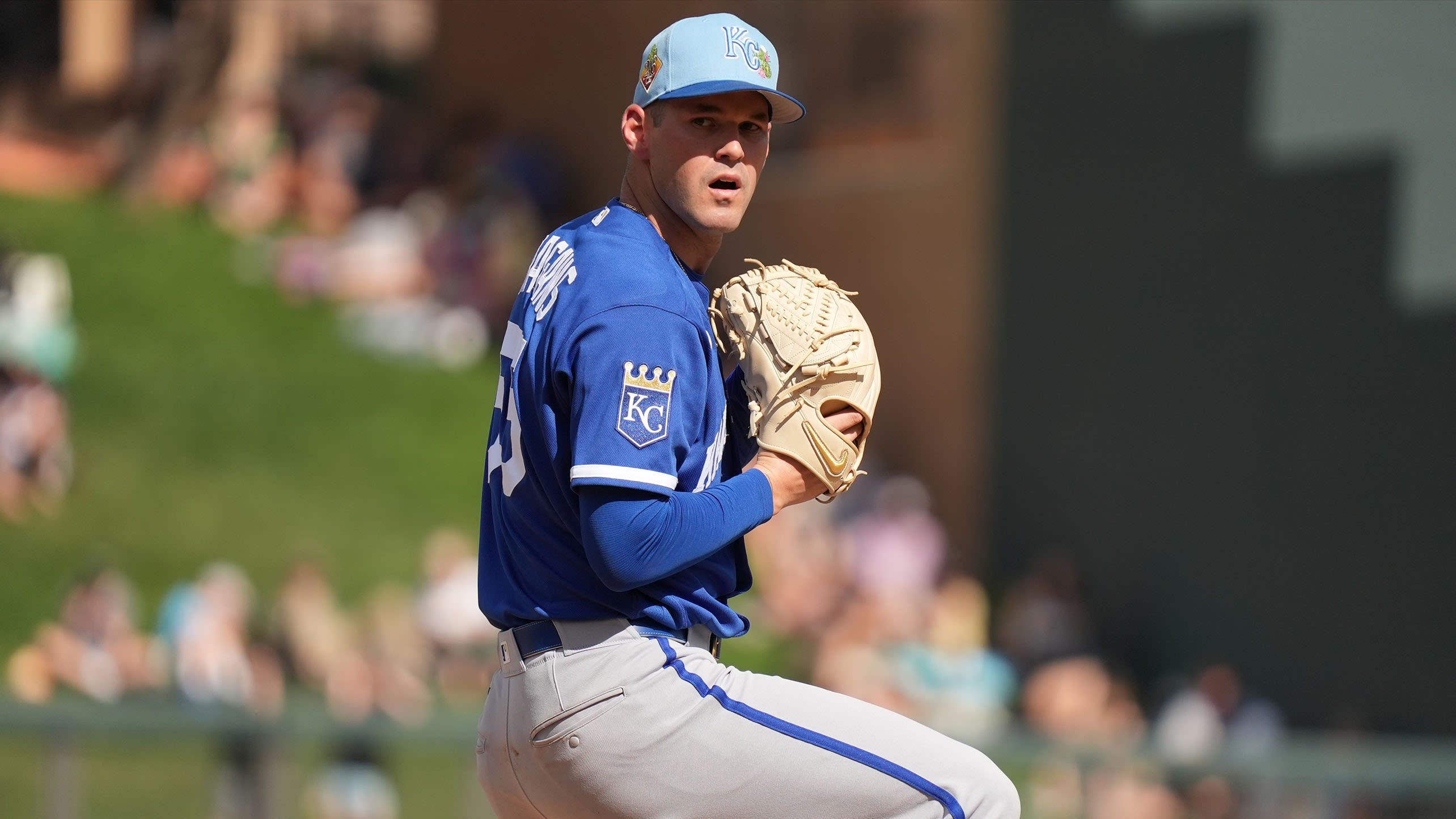
Cole Ragans was much better than his 4.67 ERA last season, and here is why he could make a run at denying Tarik Skubal a third consecutive Cy Young Award.
What’s better than watching Kyle Schwarber mash a home run? Watch him do it while eating a Schwarbomb Sundae, soft-serve ice cream topped with a strawberry Uncrustable, strawberry sauce and fruity cereal pieces.
In their penultimate home game before heading back to New York for next week’s opener, the Mets host the Cardinals in Grapefruit League action at 1 p.m. ET.
The 2026 Spring Breakout Series continues when Colt Emerson and the Mariners prospects take on Jesús Made and the Brewers prospects at 5 p.m. ET, followed by the conclusion of the Tigers prospects vs. Pirates prospects.
Lauren Wingfield Managing Editor, The Opportunistic Trader
P.S. Most investors are chasing the next hot AI stock. Always trying to guess when the next big rally will happen… spreading themselves thin watching dozens of tickers… glued to their screen all day… stressed out and exhausted.
But with Larry’s system and his AI Chaos-to-Cash Calendar… you always know when the next profit opportunity is coming.
That’s why Larry says this is as predictable as anything he’s seen in his legendary 40-year career.
Todd Littleton’s family has been farming in Gibson County, Tennessee, for three generations.
These days, he grows corn, soybeans, and wheat.
And according to an Associated Press report, he’s paying $100,000 more for fertilizer than he did last year – a 40% jump.
The reason is a narrow waterway off the southern coast of Iran that’s been all over the news – the Strait of Hormuz.
You’ve probably heard that the Strait normally carries roughly a fifth of the world’s oil and a fifth of its liquefied natural gas. But about one-third of global seaborne trade in fertilizers also normally passes through it.
Then there’s polyethylene – the clear, flexible plastic in the bag your groceries came home in, the lining inside your milk carton, and the tubing in an IV drip. Eighty-five percent of Middle East polyethylene exports move through the same channel.
So does about a third of the world’s helium. It’s the gas semiconductor factories use to make the chips inside every phone, laptop, and AI server on the planet.
None of those critical commodities are moving right now. Any ship that passes through the Strait risks becoming a target of missile and drone attacks by Iran’s Islamic Revolutionary Guard Corps.
As I detailed on my quarterly call with TradeSmith’s top-tier Platinum members earlier this week, it’s one of four major challenges facing the bull market on Wall Street.
Taken together, they explain why the market has been swinging hundreds of points on single headlines… and why it’s gotten a lot of investors feeling twitchy.
Which brings me to the question I kept hearing on the call: “Should I sell?”
Most folks will answer that question the wrong way. They let the headlines decide for them and panic sell. Or they freeze and watch a manageable loss become a serious one.
Neither is a plan. Today, I’ll give you one. Including the sectors to look at that actually thrive in this kind of market.
First, let’s take a look at the other factors pressuring this bull market.
Today, we’re sharing a “forecast calendar” for 2026. It shows you when the biggest stock jumps could occur this year – to the day – with an 83% backtested accuracy. Last year alone, you could have doubled your money 13 times with it across our work. We urge you to use it by April 15 to prepare for a colossal event coming to stocks.
Three Other Major Challenges to the Bull Market
The Strait of Hormuz is the most visible pressure point for this market. But it isn’t the only one. On my call with Platinum members, I walked through three others.
1. The Fed Is Trapped
When oil prices spike, inflation follows. Every 10% rise in oil adds about 0.4 percentage points to global inflation, according to the International Monetary Fund.
WTI crude – the U.S. benchmark – has shot up roughly 40% since the strikes on Iran began on Feb. 28. That means this oil spike alone is pushing up inflation by more than 1.5 percentage points.
That puts the Fed in a tough spot. Cut rates to support a slowing economy, and you risk an even bigger inflation spike. Hold rates – or raise them – and you risk choking off growth, right when the stock market is spluttering.
2. The Consumer Gets Squeezed
Consumer spending is roughly 70% of the U.S. economy. When gas prices rise, there’s less in the wallet for everything else.
That money doesn’t get spent at restaurants, clothing stores, or car dealerships. It goes into the gas tank instead.
Higher fuel costs also push up utility bills and airfares. Groceries cost more. Consumers – already carrying record credit card debt – have less room to maneuver.
And when spending slows, corporate revenues slow. When revenues slow, earnings disappoint. And when earnings disappoint, investors reprice stocks.
3. The AI Paradox
This one is more nuanced. It’s also even more important for understanding where we are in this cycle.
AI is transforming how businesses operate. That’s real. But the market has been pricing in the upside without fully reckoning with the downside.
Take the mass layoffs at payments company Block (XYZ). It’s the firm behind Square and Cash App that Twitter cofounder Jack Dorsey now runs.
Last month, he announced he was cutting 4,000 staff – 40% of his workforce. In his letter to shareholders, he didn’t mince his words. “Intelligence tools,” he wrote, “have changed what it means to build and run a company.”
The press ran this as an AI disruption story. And it is. But it also has knock-on effects for the economy.
Those laid-off workers are also consumers. They have mortgages…. car payments…. grocery bills. They also eat in restaurants… go to the mall… and go on vacations. When they lose their jobs, they pull back on spending.
Multiply that across the economy and the consumer engine powering economic growth will stall.
That’s the AI paradox. The same efficiency gains that send individual stocks soaring are eroding the consumer base that the economy runs on.
It’s a troubling picture. And I get why folks are worried. But there’s a way to handle this without letting your emotions get the better of you.
Panic Is Not a Strategy
When headlines are this loud, the instinct is to sell your stocks and move to cash. I’ve been investing long enough to know that instinct is usually wrong.
My approach: Don’t sell based on headlines or on emotions. Instead, be systematic, and let the data decide.
That’s the whole point of the tools we’ve built at TradeSmith. They exist to keep your emotions from running the show.
Here’s the framework I use.
Step 1: Check Long-Term Health.
This is your first and most important question for your long-term holdings. Is a stock you own still in a Green Zone?
Long-Term Health measures whether a stock is moving within its normal range of behavior – its individual volatility “fingerprint.” As long as it’s in the Green Zone, the long-term trend is intact. Temporary drawdowns, however gut-wrenching, are not a reason to sell.
If a stock you own has entered a Red Zone, that’s a different story. The trend has broken down. That’s when you sell – not because the headlines scared you, but because the data confirms the move is real.
Right now, none of the major U.S. indexes are in Long-Term Health Red Zones. But the Dow has entered a Yellow Zone.
That’s a sign that a momentum shift is underway in the 30 industrial stocks that make up the Dow. But a bearish trend hasn’t been confirmed.
Think of it like the warning light on your car’s dashboard. The engine isn’t broken yet. But something’s changed, and it’s worth paying attention.
Step 2: Check your VQ Stop Loss.
If you’re already a TradeSmith subscriber, every position in your portfolio should have a stop loss set at its Volatility Quotient (VQ) – the level at which a pullback stops being normal and starts being a warning sign.
If your stop hasn’t been hit, you have no reason to sell. The VQ is designed to keep you in winning positions through the inevitable turbulence while protecting you from the losses that can permanently impair a portfolio.
If your stop has been hit, sell – and don’t second-guess it.
Step 3: Check Short-Term Health for what to do next.
Once you’ve assessed what you own, the next question is where to look for opportunity.
Short-Term Health helps you spot stocks and sectors where short-term momentum is breaking down. It also shows you the stocks and sectors where it’s turning positive – the early movers in a new cycle.
Right now, that’s key. This environment is genuinely challenging for many parts of the market. But it’s a powerful tailwind for others.
Where to Buy Now
Not all stocks suffer in a high-oil, high-inflation environment. Some thrive. Here’s where TradeSmith’s signals are pointing.
The sectors with the wind at their backs:
Energy producers – ExxonMobil (XOM), Chevron (CVX), ConocoPhillips (COP). When oil prices rise, their revenues rise with them. These are direct beneficiaries.
Oilfield services – Halliburton (HAL) and Schlumberger (SLB). Higher prices mean more drilling. More drilling means more demand for the equipment and expertise these companies provide.
Defense – Defense spending is already elevated, and it tends to stay that way. Defense contractors are a natural port in this particular storm.
Domestic LNG exporters – The U.S. is the world’s largest liquefied natural gas exporter. With global gas prices spiking, U.S. exporters are selling into a very hungry market.
Uranium and nuclear – When oil and gas supplies are disrupted and prices spike, energy alternatives get repriced. Nuclear is no exception.
The key point: You don’t need to make big macro bets to navigate this environment. You just need to know which parts of your portfolio are exposed – and which aren’t.
That’s what our tools are designed to tell you.
All the best,
Keith Kaplan CEO, TradeSmith
P.S. I’ve been tracking a broader set of warning signs in the market, based on our Short-Term Health indicator. And I’ve put together a presentation that every investor should see laying out what comes next – and how to position yourself ahead of the market’s next big moves.
It isn’t all about protecting your downside risk – although that’s key. As I showed you today, Short-Term Health can also help you make smarter moves ahead of emerging bullish trends.
Energy and defense are among those bullish outliers. But they’re not alone.
This editorial email containing advertisements was sent to pahovis@aol.com because you are subscribed to this service. To unsubscribe or change your email preferences, please click here.
To contact Customer Service, call toll free: 866-385-2076, Mon–Fri, 9am–5pm ET, or email support@tradesmith.com.
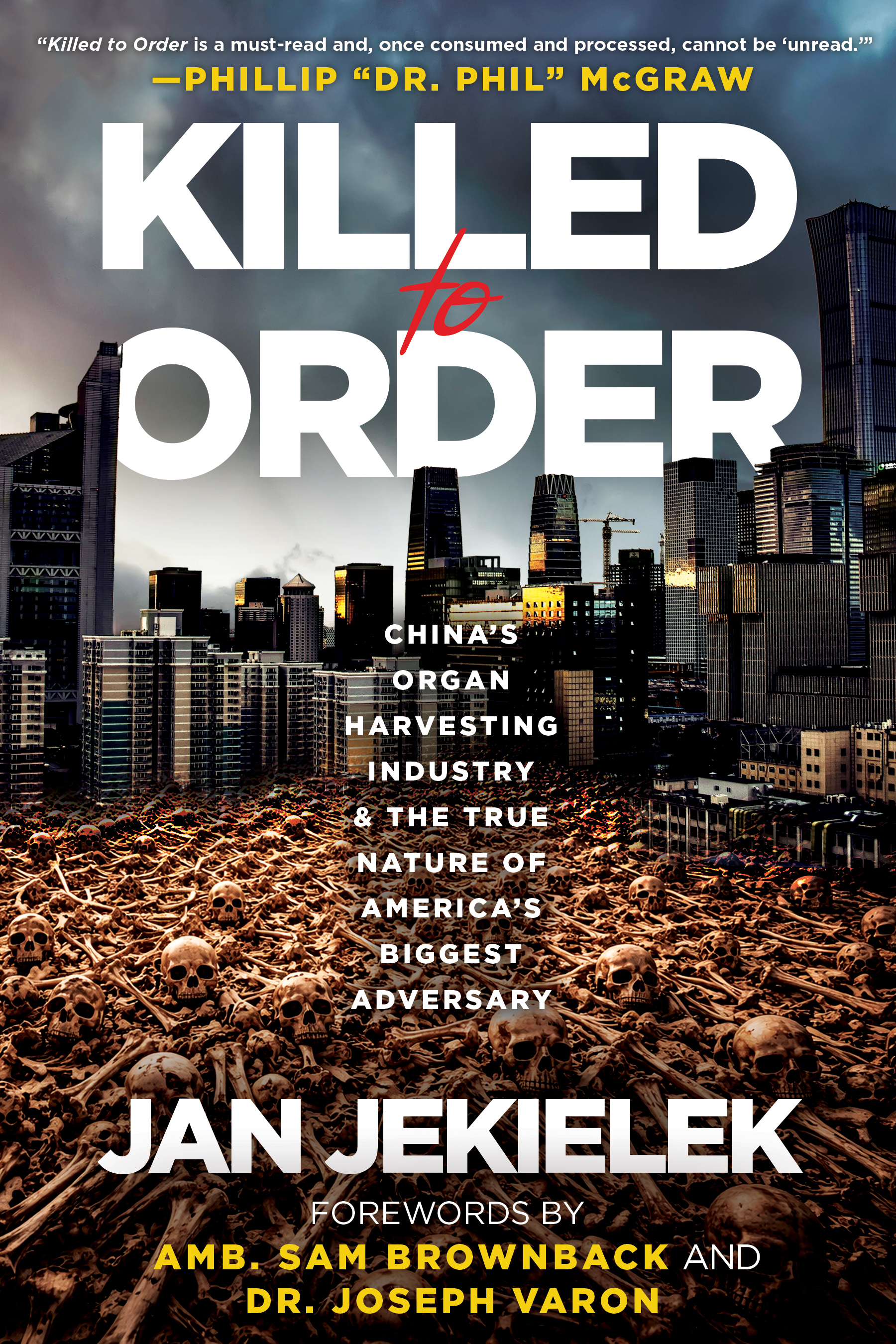
You think you know what China’s forced organ harvesting is about—think twice.
Most people don’t know when it all began. They don’t know how many lives have been lost. And they never heard one single testimony.
Now, there’s a chance to reconsider.
After spending two decades researching, interviewing, and documenting evidence from the earliest available testimonies to the latest ‘impossible’ survivor, Jan Jekielek, Epoch Times’s senior editor, has built a compelling case. He’s ready to share with the world—through his new book: Killed to Order, poised to be one of the most important nonfiction books of the year.
In Jan’s own words, “My goal is to get Killed to Order onto the NYT bestseller list. Not for vanity, but because it forces national attention. It gets this story onto shelves, into libraries, and into conversations that otherwise wouldn’t happen.”
Remember World War II? Despite growing evidence of the Holocaust, many people remained indifferent or unaware of the full scale of the mass murder. Had the circumstances been different, the story might have ended differently.
The moment of truth has once again arrived.
The world is now waiting for you to respond.
Killed to Order was released on March 17, 2026. Order yours today!
Latest comment from Killed to Order’s book release event:
“It began with waging a war on their ancestors. That’s what the Cultural Revolution was. Then it was a war on their posterity. That’s their children. That’s what the one-child policy was. And what is organ harvesting? It’s cannibalism. They ate their ancestors. They ate their children. And now the CCP is eating itself.”
—Jason Jones
filmmaker; human rights activist; president and founder of HERO, Inc.
Watch news clip of the book release event at the Trump–Kennedy Center on March 16 here:
This ad is sent on behalf of NewMarket Health Publishing, LLC. P.O. Box 913, Frederick, MD 21705, USA. If you would like to unsubscribe from receiving offers from NewMarket Health Publishing, LLC, please click here.
This email is never sent unsolicited. You have received this Newsmax email because you subscribed to it or someone forwarded it to you. To opt out, see the links below.
Remove your email address from our list or modifyyour profile. We respect your right to privacy. Viewour policy.
This email was sent by: Newsmax.com 362 N. Haverhill Road West Palm Beach, FL 33415 USA













































 RJ Hamster