Phase 2 voting closes noon ET, so there’s precious little time to submit your ballot and help the game’s top players earn a trip to Philadelphia for the Midsummer Classic.
The best prospect showcase of the year is less than two weeks away, and the initial American and National League rosters include 38 members of MLB Pipeline’s Top 100 Prospects list, including each of the nine best prospects in the game.
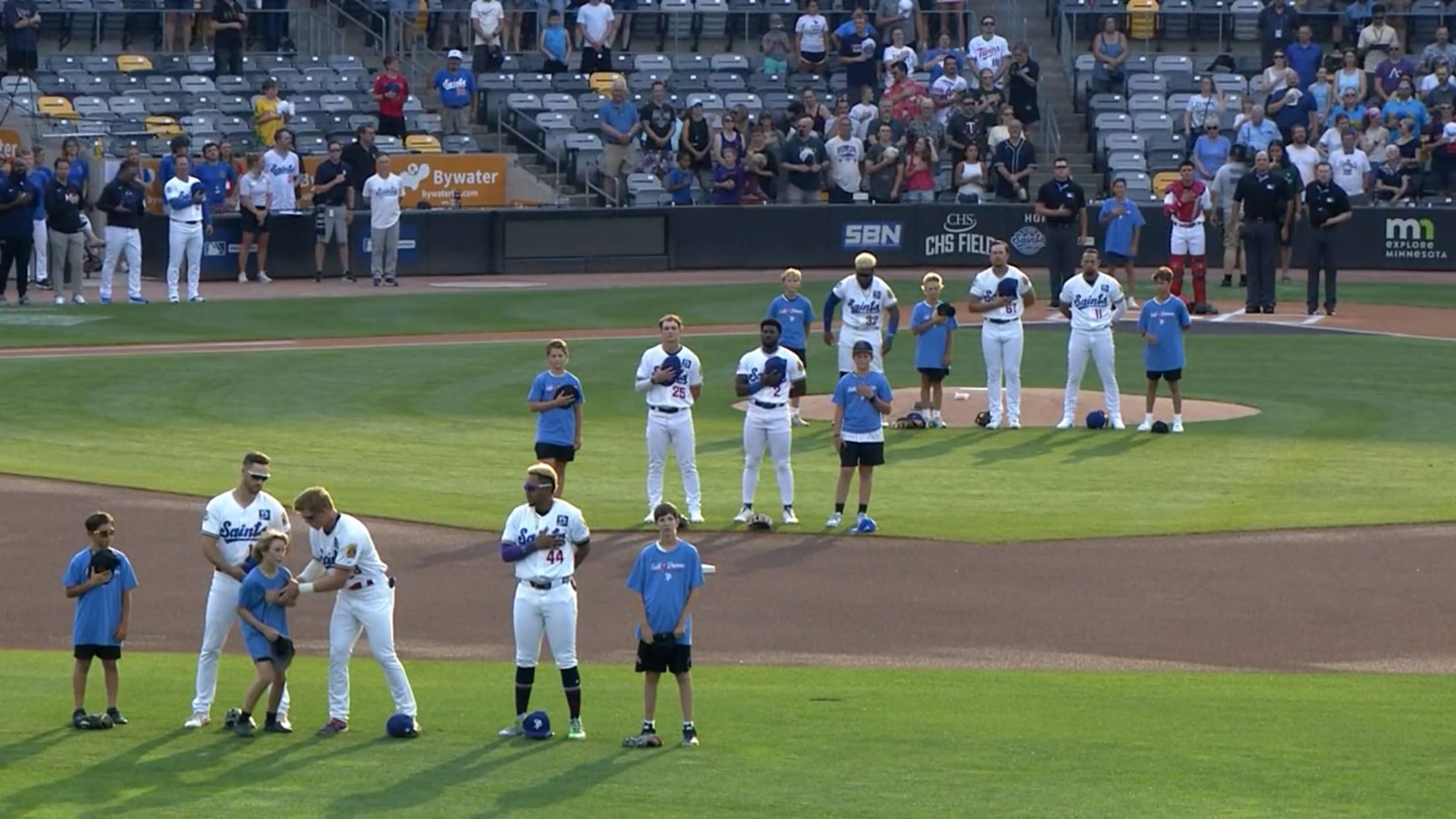
Twins Minor Leaguer Walker Jenkins got his nickname due to his baseball acumen and obsessive work ethic, but he played the part of a superhero for a young fan who was on the verge of falling over.
Fernando Tatis Jr. and the Padres are in L.A. to open a series against Shohei Ohtani and the Dodgers in an MLB Network Showcase presented by Goodyear at 10 p.m. ET.
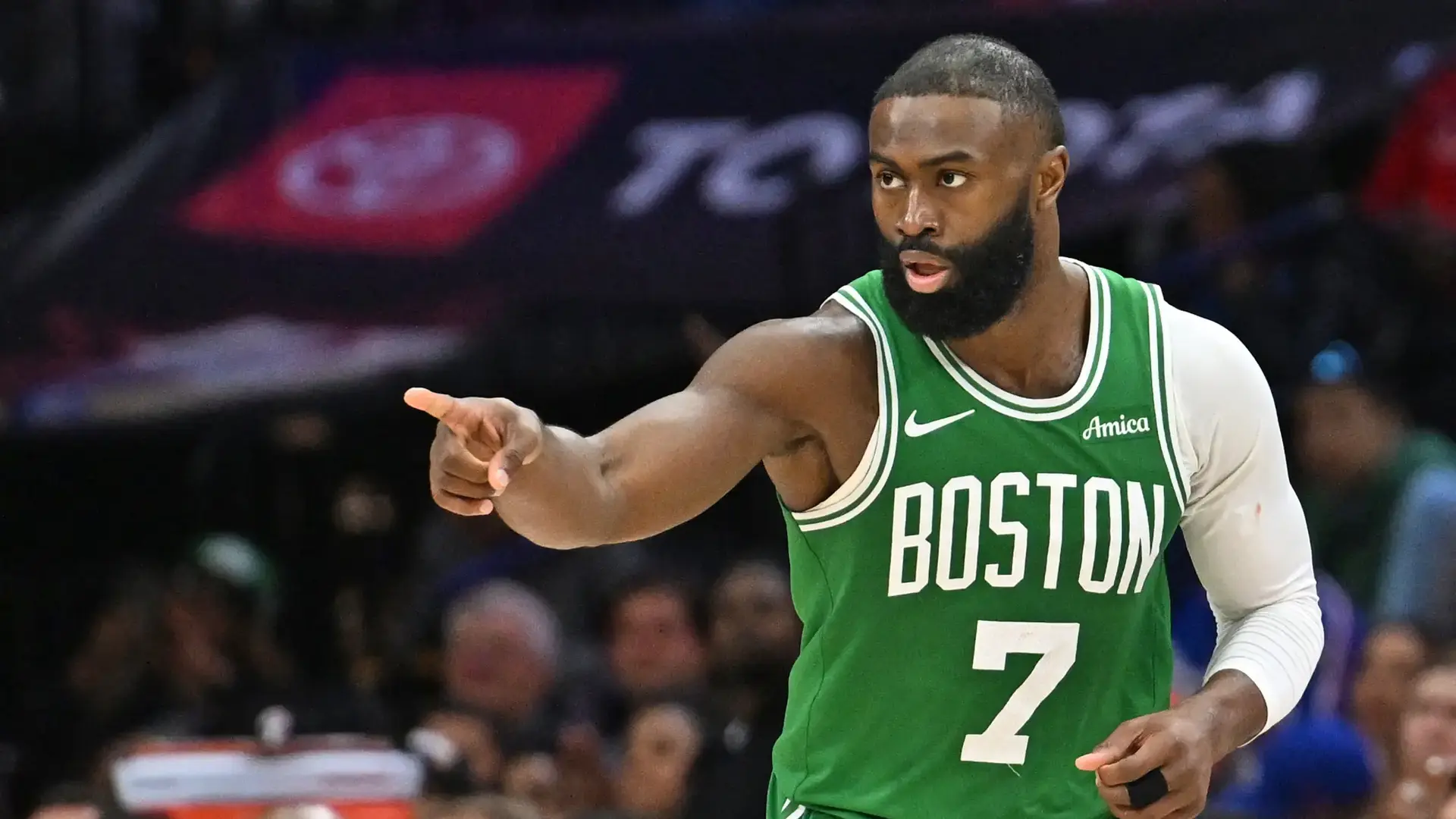
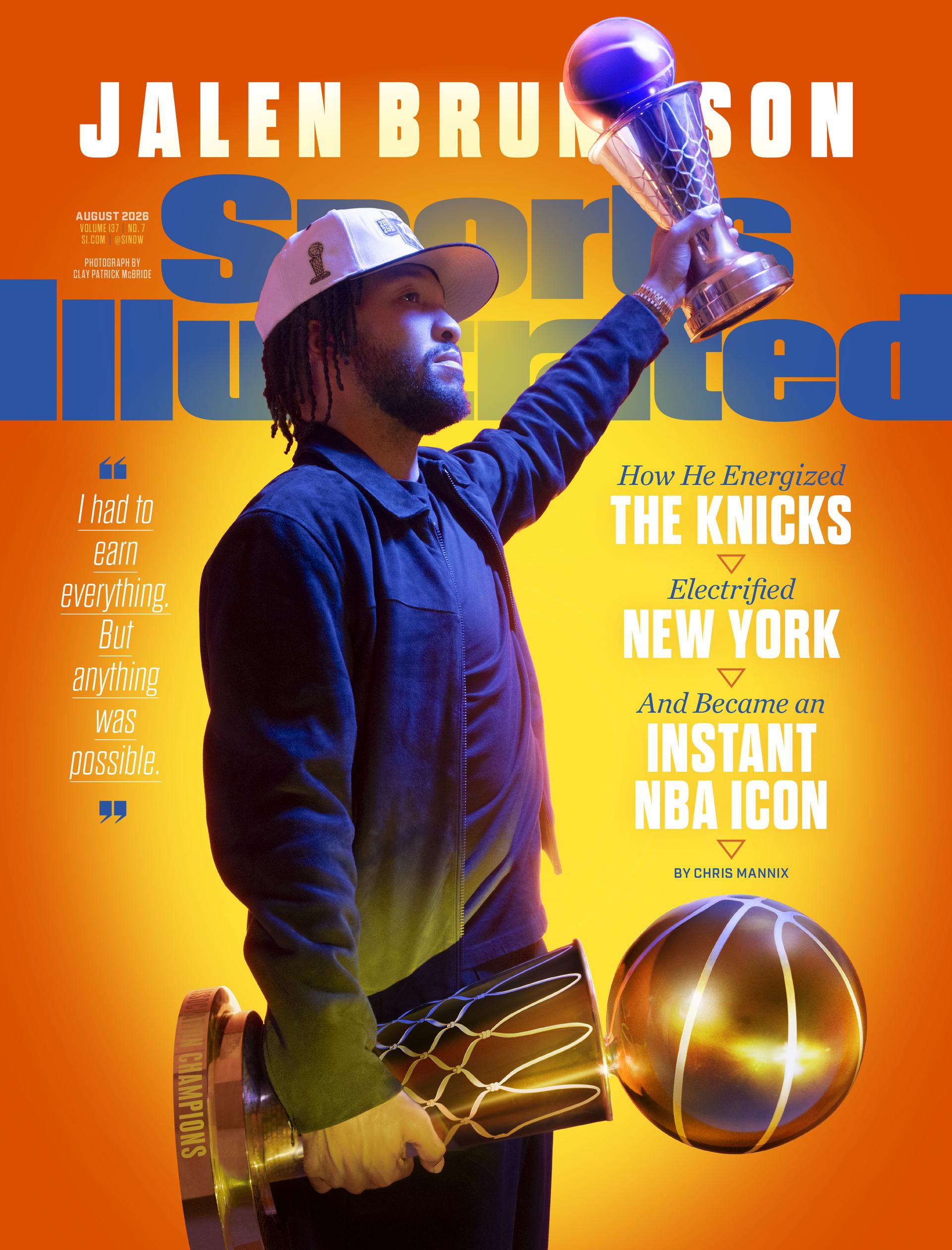
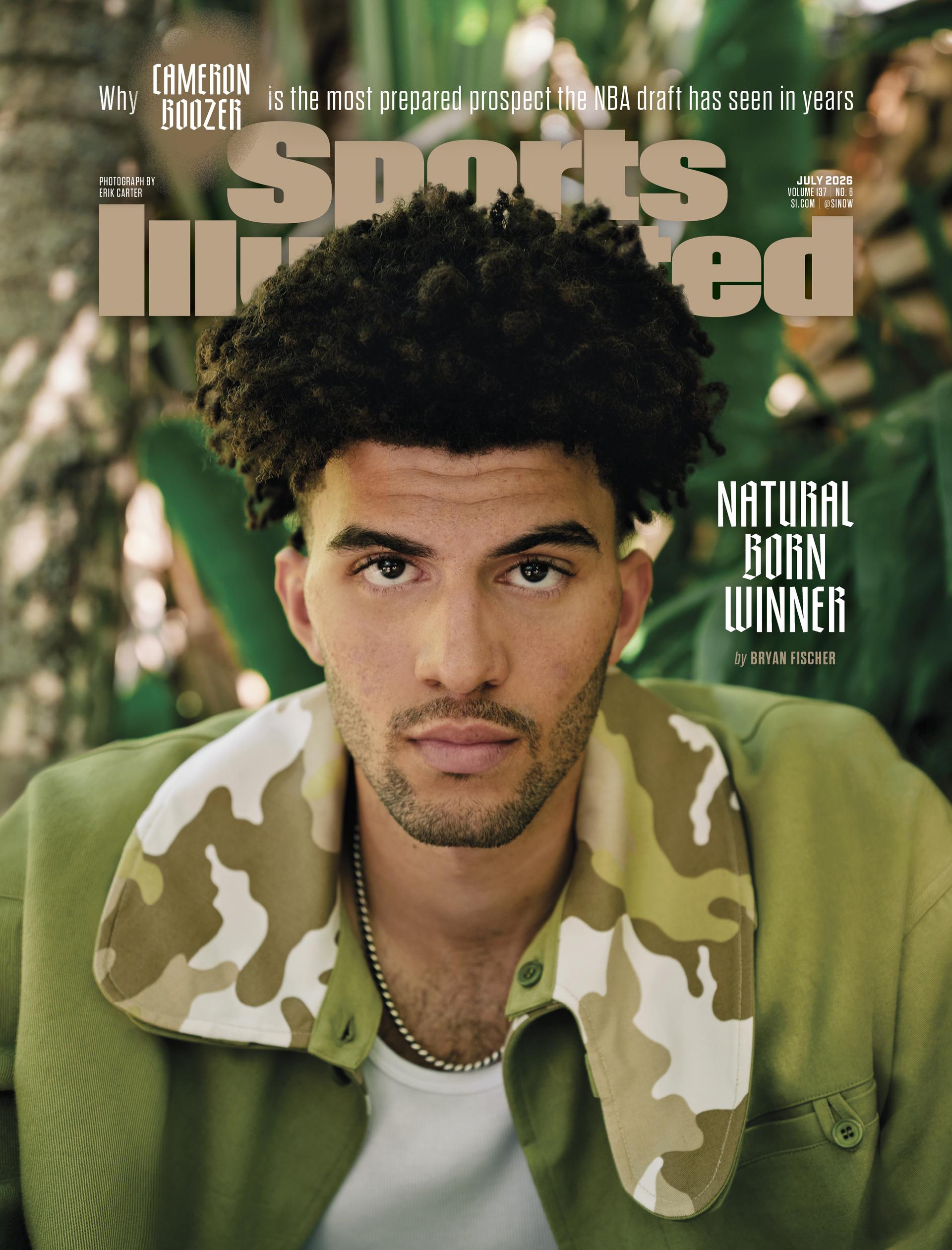
Good morning, I’m Dan Gartland. If the USMNT game wasn’t so interesting, I would have had space in here to try to make sense of the Jaylen Brown-Paul George trade. (Also, just a quick note that there won’t be an SI:AM tomorrow. Happy Fourth!)
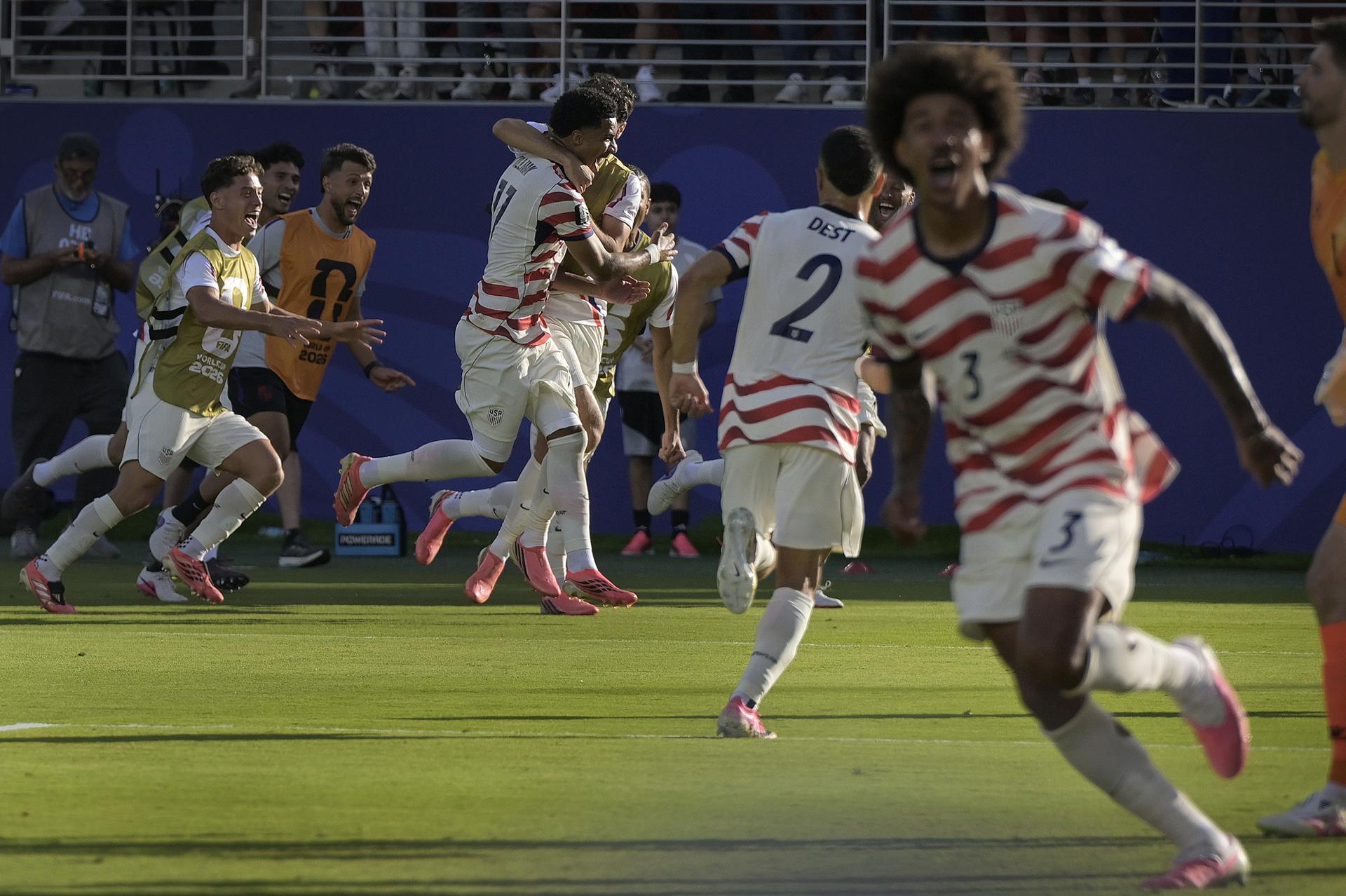
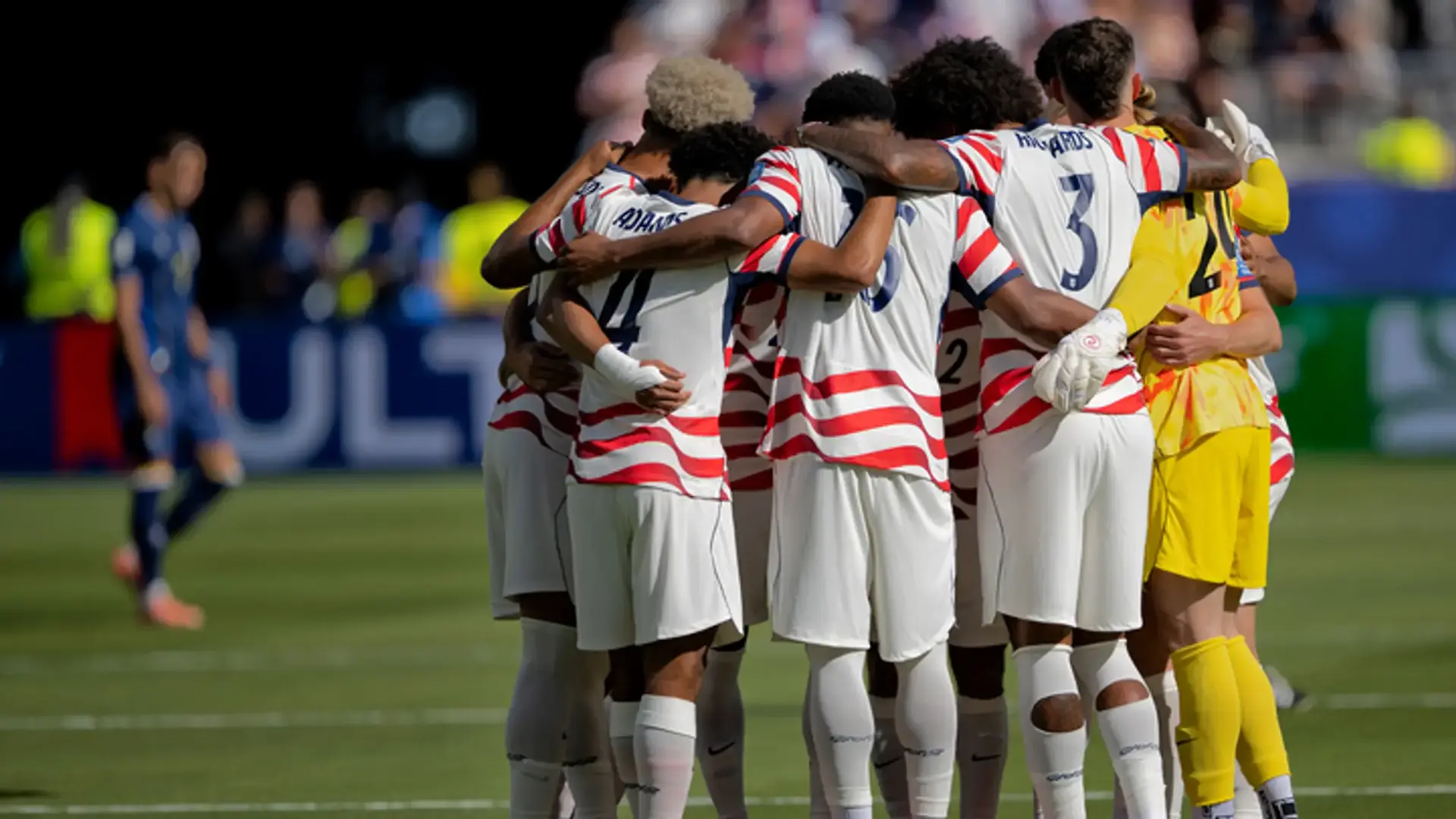
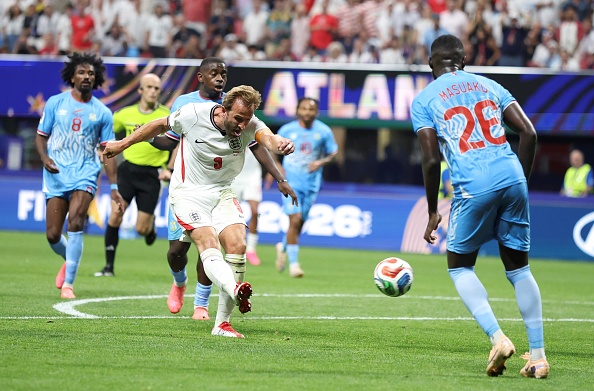
The U.S. earned a 2–0 win over Bosnia and Herzegovina in the round of 32 in Santa Clara, Calif., on Wednesday night to set up a round of 16 meeting with Belgium in Seattle on Monday. But the U.S. will be without its red-hot striker Folarin Balogun on Monday after he was shown a controversial red card in the win.
Balogun was sent off in the 64th minute after a hard challenge on Tarik Muharemović. Balogun stepped on the back of the defender’s leg as they battled for the ball, and Muharemović needed medical attention. Balogun was not cautioned for the play on the field, but the video assistant referee called for a review of the incident. After viewing the replay, Balogun was shown a straight red card by referee Raphael Claus of Brazil.
The decision was widely criticized for being excessively harsh. Balogun did not intentionally step on Muharemović, nor did he stomp forcefully on his leg. He was simply trying to regain his footing as the two players jostled for position. (You can watch the play here and decide for yourself whether it was worthy of a red.) It was certainly a foul. It was probably deserving of a yellow card. But a straight red was too severe a punishment. CONTINUE DAN’S COLUMN ON SI
5. Dansby Swanson’s grand slam for his third homer of the game. Sure, it came off a position player, but it was his fifth homer in a span of 24 hours after he hit two on Tuesday. He has nine homers in his last 13 games, during which time the Cubs are 11–2.
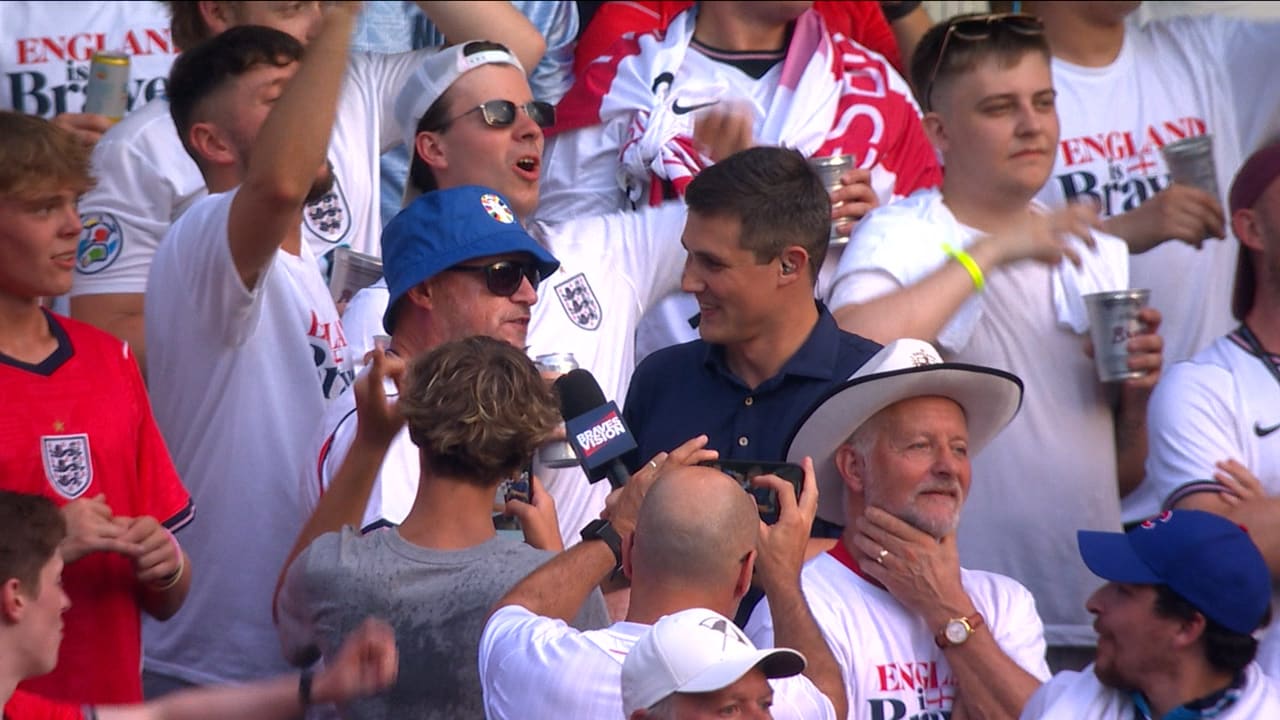
4. All the English fans in Atlanta for their team’s World Cup match doing soccer-style chants for Braves outfielder Michael Harris II.
2. Ismaïla Sarr’s goal to put Senegal up 2–0 on Belgium. Here’s another look at the incredible long-range pass from Moussa Niakhaté and Sarr’s soft touch to bring the ball down with his chest.
1. Malik Tillman’s free-kick goal to stretch the United States’ lead over Bosnia and Herzegovina. Here’s what Tillman’s right foot (the one he used to score the goal) looked like after the match. He had gotten stepped on just before the free kick and his foot was bleeding through his sock.
📽 The best of SI Video
In the latest episode of Others Receiving Votes, Pat Forde, Bryan Fischer and Kevin Sweeney break down the most intriguing college football teams, coaches, players and games in the Power 4 conferences.
We may receive compensation for some links to products and services included in this email.
Sports Publishing Solutions Inc. 625 Broadway, 10th floor New York, NY. 10012 You are receiving this email because you are subscribed to the SI:AM newsletter.
Arizona State University has surpassed $1 billion in annual research expenditures in FY24, according to the National Science Foundation’s latest Higher Education Research and Development (HERD) survey. ASU joins the top 4% of research universities nationwide and ranks ahead of Princeton University and California Institute of Technology. This milestone reflects not only the scale of our research enterprise, but its purpose: translating discovery into real solutions that advance the health, safety, innovation and economic competitiveness of our world.
“We have remained steadfast and determined in our goal to build a new model of a great American research university,” ASU President Michael Crow said. “Surpassing $1 billion in research expenditures underscores our unwavering commitment to be a new gold standard of service to the community, our state and our nation.” Dr. Crow explains how ASU achieved this milestone here.
To learn more about the HERD rankings and ASU’s impact: Click Here
Hayden Library Tour
Join ASU Library for a guided walking tour of Hayden Library on the Tempe campus.
Open to all, this tour is designed to explore one of ASU’s most dynamic academic spaces.
Originally built in 1966 and thoughtfully reimagined for today’s learners and researchers, Hayden Library blends historic architecture with modern design to support collaboration, discovery and inclusive access to knowledge.
Explore the five-story tower and discover interdisciplinary learning labs, curated collections, inspiring reading rooms, and research and support services that serve the broader ASU community.
Wednesday, July 15, 2026 12:00 p.m. to 1:00 p.m. (MST) 300 E. Orange Mall Tempe Arizona 85287 Meet inside the Level 1 west lobby door of Hayden Library.
Arizona PBS Presents Resolve to Solve with Miles O’Brien
Join Arizona PBS in Flagstaff at the Orpheum for a special screening of its new show, Resolve to Solve with Miles O’Brien. Resolve to Solve with Miles O’Brien is a new Arizona PBS produced show, set to debut nationally on August 19. This new science series aims to bring light to some of the most pressing issues facing our globe, and those determined to find innovative solutions. Miles O’Brien is a veteran, award-winning journalist who focuses on science, technology, aerospace, and the environment. He is the science correspondent for PBS NewsHour, a producer and director for the PBS science documentary series NOVA, and a correspondent for the PBS documentary series FRONTLINE.
The Orpheum Theater is a historic, indoor venue located on Aspen Street in downtown Flagstaff next to the Weatherford Hotel and Residence Inn.
ASU Foundation 300 E. University Drive, Tempe, AZ, 85281, USA
This email was sent to: peterhovis@icloud.com To ensure future delivery, please add presidentsclub@s.asufoundation.org to your safe sender list or address book.
Celebrate Independence Day weekend with us in the best way we know how—great wine, great beer, and even better company. We’re kicking things off Friday evening with an Italian Wine Tasting & Craft Beers to Celebrate the 4th lineup made for summer sipping, from crisp Prosecco and zesty whites to bold Barbera and Nebbiolo, plus patriotic pours like Narragansett’s America 250 Lager and Honor Brewing Freedom IPA.
Then join us Saturday afternoon for a 4th of July tasting featuring bright Provence whites, elegant Spanish and Italian selections, juicy Malbec, and a classic California Cabernet to round it all out. Whether you’re stocking up for the holiday, heading to a cookout, or just relaxing at home, we’ve got everything you need to toast the 4th in style.
Friday Evening Italian Wine Tasting & Craft Beers to Celebrate the 4th!
2025 Adami Prosecco Brut (Black Label)– Bright straw yellow with fine bubbles and fresh aromas of yellow apple, peach, and white flowers. Crisp and lively with ripe fruit notes and a smooth, balanced finish. BUY NOW
2023 Pietrame Edizione Limitata Chardonnay Passerina– Warm citrus aromas of lemon, lime, and Cara cara oranges join tropical fruit on the nose before a palate of melon and pineapple spritzed with more citrus leads to a nutty, salty finish. BUY NOW
2022 Rocca del Principe Fiano di Avellino DOCG– Fresh and lively with aromas of white peach, lemon, lime, crushed stone, and subtle floral and herbal notes. Crisp and juicy with bright acidity and a long, mineral-driven finish. BUY NOW
Vietti Barbera d’Asti Trevie 2023 – Ruby red with aromas of sour cherry and vanilla. Medium-bodied and balanced with bright acidity, soft tannins, and a red cherry finish.BUY NOW
2022 Vietti Perbacco Langhe Nebbiolo(93 pts, Wine Advocate)– “Not too far off from tasting and smelling like a full-fledged Barbaresco, or even a Barolo for that matter, since it does technically have the DNA of both. The fruit is delivered with fresh, vertical intensity, and the wine’s texture is firm and tensile.” BUY NOW
Narragansett Lager America 250 Edition– Clean, crisp, and refreshing with balanced malt character and a smooth finish. A classic American lager that is easy-drinking and highly approachable. ABV = 5% BUY NOW
Honor Brewing Freedom IPA – A modern twist on the West Coast IPA, a clear, pale beer US hops, delivering the expected IPA flavors with compelling bitterness. ABV = 6.4% BUY NOW
Tasting Table Specials!
10% off all tasting table wine & beer. 15% off if you purchase a mix & match case.
Available in-store and online all weekend long!
4th of July Saturday Afternoon Wine Tasting
LoveR Coteaux d’Aix-en-Provence Blanc 2025– Bright, pale yellow color. The nose boasts white fruits with a touch of citrus. The mouth reveals nice notes of peach, exotic fruits and citrus. BUY NOW
Ossian Vides y Vinos Quintaluna Castilla y León 2020(92 pts, Wine Enthusiast) – “Light yellow in the glass, this wine has aromas of tangerine and lemon zest. Full on the palate, it conveys flavors of bergamot, yellow currant, aniseed and a touch of crumbled sage. Refreshing acidity bathes the palate from first sip through finish.”BUY NOW
Doña Paula High Altitude Malbec 2024– Intense aromas of blackberry, violet, and spice with subtle mineral notes. Rich yet fresh, with soft tannins and a smooth, persistent finish. BUY NOW
Today’s Email Partner is: Truthly. Catholic “AI for good.” Instant answers and guidance to any question or problem. Try free for 7 days.
A Night Prayer
Jesus Christ, my God, I adore You and thank You for all the graces You have given me this day. I offer You my sleep and all the moments of this night. I place myself and all my loved ones, wherever they may be, in Your sacred side and under the mantle of Our Blessed Mother. Let Your holy angels stand watch and keep us in peace. Amen.
Quote of the Day
“I have no desire for the honors of this world but solely for the glory of God and the salvation of my soul.”
— St. Bernardino Realino
Today’s Meditation
“People who say Our Lord’s Prayer carefully, weighing every word and meditating upon it, may indeed call themselves blessed for they find therein everything that they need or can wish for. When we say this wonderful prayer we touch God’s heart at the very outset by calling Him by the sweet name of Father – Our Father. He is the dearest of fathers: all-powerful in His creation, wonderful in the way He maintains the world, completely lovable in His Divine Providence – always goo and infinitely so in the Redemption. We have God for our Father, so we are all brothers – and heaven is our homeland and our heritage. This should be more than enough to teach us to love God and our neighbor and to be detached from the things of this world.” —St. Louis de Montfort, pg. 39An excerpt from The Secret of the Rosary
What if your AI didn’t spy on you — and actually aligned with your faith?
With over 250,000 downloads, Truthly is the Catholic AI app built to help you navigate the internet faithfully. Ask anything. Get answers you can trust — grounded in truth, not trends.
The daily examination of conscience is an ancient Catholic practice. It’s very simple, and it’s designed to help us identify our sins and weaknesses so that we can improve and grow stronger in the spiritual life, while providing an excellent ongoing preparation for regular Confession. It consists of taking a few minutes at the end of the day to prayerfully review our actions in the light of God’s commandments, followed by the Act of Contrition.1. Reflect on the victories and losses
Actively reflecting on the high and low points of the day can help you live more intentionally and bring a renewed sense of resolve into the following day.
Review your actions, words, and thoughts today. Did you actively guard yourself against temptation? Where did sin creep in?
In what moments did you practice virtue and moral courage?
Were you attuned to the Holy Spirit’s promptings today? Where did you feel His inspiration?
Ask Him for the graces necessary to follow His Will more purposefully tomorrow.
2. Act of Contrition
O my God, I am heartily sorry for having offended Thee, and I detest all my sins because of Thy just punishments, but most of all because they offend Thee, my God, Who art all good and deserving of all my love. I firmly resolve with the help of Thy grace to sin no more and to avoid the near occasions of sin. Amen.3. Practice gratitude
It is God’s love that has brought you into existence and to this exact moment. Practice looking for His hand in your day.
Where did you feel His loving gaze upon you today?
What people or moments helped you see God in your life?
Thank God for all these moments!
Ask Him to help you recognize His blessings and providence tomorrow.
4. Renew your commitment to Christ
Remember: our Faith is founded upon a Person—Christ! Renew your personal love and devotion to Him.
Thank God for the gift of His Son Jesus and our call to be His disciples.
Tell the Lord of your desire to know Christ more personally.
If possible, set an intention for your day tomorrow. Ask Our Lord to guide you in this act.
Pray a Hail Mary, Our Father, or another beloved prayer.
Rest with God
[He] made the Bear and Orion, the Plei′ades and the chambers of the south; Who does great things beyond understanding, and marvelous things without number.— Job 9:9-10Compline (Night Prayer)Want to help your organization reach thousands of Catholics? Click here to consider sponsoring future Night Prayers.
(3) Let no man deceive you by any means: for that day shall not come, except there come a falling away first, and that man of sin be revealed, the son of perdition; (4) Who opposeth and exalteth himself above all that is called God, or that is worshipped; so that he as God sitteth in the temple of God, shewing himself that he is God.
(7) For the mystery of iniquity doth already work: only he who now letteth will let, until he be taken out of the way. (8) And then shall that Wicked be revealed, whom the Lord shall consume with the spirit of his mouth, and shall destroy with the brightness of his coming: (9) Even him, whose coming is after the working of Satan with all power and signs and lying wonders, (10) And with all deceivableness of unrighteousness in them that perish; because they received not the love of the truth, that they might be saved. (11) And for this cause God shall send them strong delusion, that they should believe a lie: (12) That they all might be damned who believed not the truth, but had pleasure in unrighteousness. King James VersionChange email Bible version
A major question about II Thessalonians 2 is the scope of the described events. One interpretation is that it is a localized occurrence, in the sense of it happening just within the “little flock”—the church. A second interpretation is that since “the falling away” contains the definite article, it refers to a unique event in man’s history, far greater than anything that has happened before. In contrast, the church has had periods of strength and weakness all throughout its history—it goes through cycles of rallying around truth and then gradually letting it slip. This second, universal interpretation is a better fit because, when we look at the whole passage, the events and personalities are worldwide in scope.
Remember, this falling away sets the stage for the man of sin, who will have tremendous influence over humanity. Paul is not writing about apostasy in a small group of people that will give rise to an international personality, but an event on the world scene that creates the right environment to catapult this figure, backed by the power of Satan, to the heights of power.
Paul, then, is letting the church know that it need not be concerned about missing the end time. The events leading up to the Day of the Lord will be unmistakable to those with eyes to see. What will happen will affect the entire world, even though the world will not grasp the spiritual significance.
A falling away is taking place right now. Whether it turns out to be the falling away remains to be seen. Right now, though, we are witnessing a steady defection from the basic principles of the Bible, away from what we call the Judeo-Christian ethic. This is not brand new, but it is picking up speed. We need to be reminded of it because it can have a detrimental effect on us.
Apostasy is a defection from truth—a forsaking of one spiritual approach in favor of another. In the Old Testament, many of the kings and eventually the whole nation of Israel rebelled against God and chose opposing belief systems. We are seeing the same thing today, but at times, it is harder to recognize because we are accustomed to it, and it is not happening overnight. In the books of Kings and Chronicles, we can read the record of a given king who turned away from God and served the Baals, and the foolishness sounds quick and casual because we are reading a summary. But when a falling away happens around us, perhaps even beginning before we were born, it is easy for our minds to adjust to the point that we almost forget the continuing rebellion against God and His way.
Welcome to The Pregame Lineup, a weekday newsletter that gets you up to speed on everything you need to know for today’s games, while catching you up on fun and interesting stories you might have missed.
This is our last newsletter before the Fourth of July weekend. We’ll be back on Monday.
Now that the calendar’s flipped to July, it’s officially trade season. We’ll have you covered with the latest Trade Deadline buzz all month long.
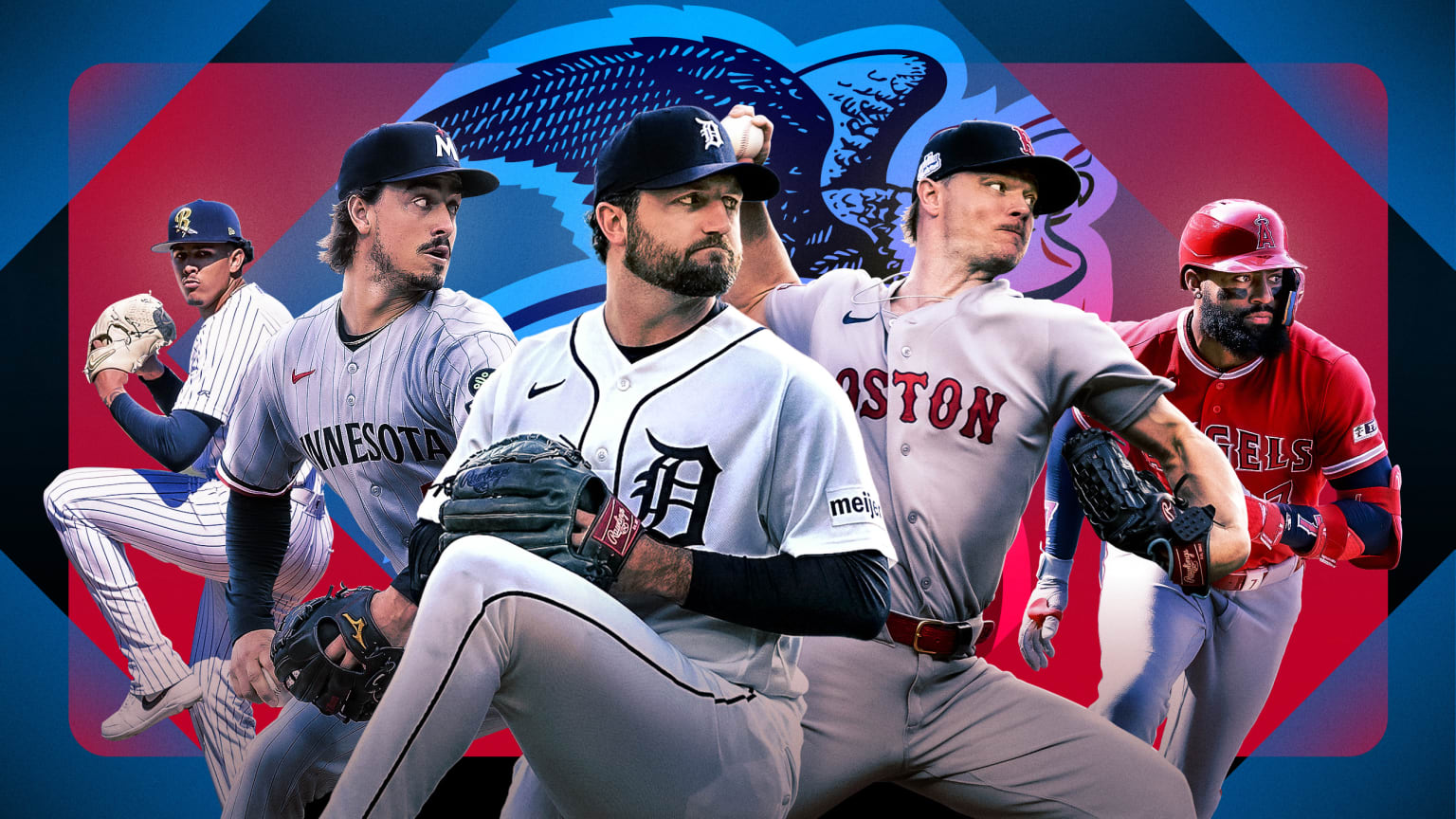
He’s got a whole top 10 in his article, so check out the full list, but here are five of the most interesting:
1) Will the Yankees’ internal “additions” be enough?
The Yankees have been scuffling lately with stars like Aaron Judge, Max Fried and Giancarlo Stanton on the injured list, but they’re still one of the best teams in the AL. They should be even better once those guys come back … but that doesn’t mean they’ll stand pat at the Trade Deadline. Feinsand expects the Yanks to at least add a relief arm or two, and maybe do even more.
2) Will the Rays go all-in?
The Rays have taken back first place from the Yankees in the AL East and currently boast the best record in the American League. President of baseball operations Erik Neander has been aggressive in the past when his team’s in contention, so will he push his chips in again in 2026? Tampa Bay has multiple areas of need, especially some depth for a top-heavy lineup. Feinsand thinks Luis Arraez might make sense as a trade target.
3) Can the Tigers find a way to hold onto Skubal?
The biggest fish on the trade market is still Tarik Skubal. But what once seemed like a lock that the back-to-back reigning Cy Young winner would get traded is now more of a question, with the Tigers playing better and both the AL Central and Wild Card races wide open. Whatever Detroit ultimately decides to do, expect to hear Skubal’s name a whole lot between now and Aug. 3.
4) Will the surprise White Sox be buyers?
The White Sox are the big surprise of that aforementioned wide-open AL Central. They lead the division at 45-40 after three straight 100-loss seasons. Chicago might already be good enough to win the Central, but if the team wants to swing some trades to really make the leap, the pitching staff will likely be the focal point.
5) Do the Rangers have enough to add any difference-makers?
The AL West is also wide open, and the Rangers have used their recent hot streak to get to the top — they’re tied with the Mariners for the division lead at 44-43. Last time they were a playoff team, in their World Series-winning 2023 season, president of baseball operations Chris Young made several big moves at the Trade Deadline, adding players like Max Scherzer, Aroldis Chapman and Jordan Montgomery. Texas might want to do that again, but the team doesn’t have a ton of high-end prospects. So the Rangers might have to get creative to make trades.
All-Star voting is now over. All that’s left is to reveal the teams.
The American League and National League rosters for the 2026 All-Star Game presented by Mastercard will be announced on Saturday at 7:30 p.m. ET on FOX.
That includes the players who will join Shohei Ohtani and Ernie Clement in the starting lineups after winning the fan vote, as well as the pitchers and reserves for both teams.
If you need a reminder of which players were finalists to be All-Star starters (and where the standings stood at the final ballot update), you can check that out here.
The All-Star Game is Tuesday, July 14 at Citizens Bank Park in Philadelphia. Watch at 8 p.m. ET on FOX.
GAMES TO WATCH THIS 4TH OF JULY WEEKEND
We’ve got a ton of great games to watch this holiday weekend. Here’s something for every day.
Save some for the Derby, Junior Caminero! The first confirmed 2026 Home Run Derby participant has now gone deep in six consecutive games, and the Rays are running out of words to describe their young superstar slugger. The 22-year-old Caminero is the youngest player ever to homer in six or more straight games, ahead of a 23-year-old Ken Griffey Jr. in 1993, a 24-year-old Willie Mays in 1955 and a 24-year-old Nolan Arenado in 2015.
“Probably call him an All-Star, maybe a Home Run Derby champion,” teammate Shane McClanahan said. “Junior is the best.”
Shohei Ohtani is preparing for his sixth straight All-Star Game, where he’ll be the starting DH for the NL. But you might recall he’s also a pitcher who’s 8-2 with a 1.58 ERA, and he returns to the mound tomorrow nightas the Dodgers face the rival Padres in L.A. Ohtani has a strong case to make the All-Star team as a pitcher as well as a hitter, as he’s been one of the best aces in the league all year.
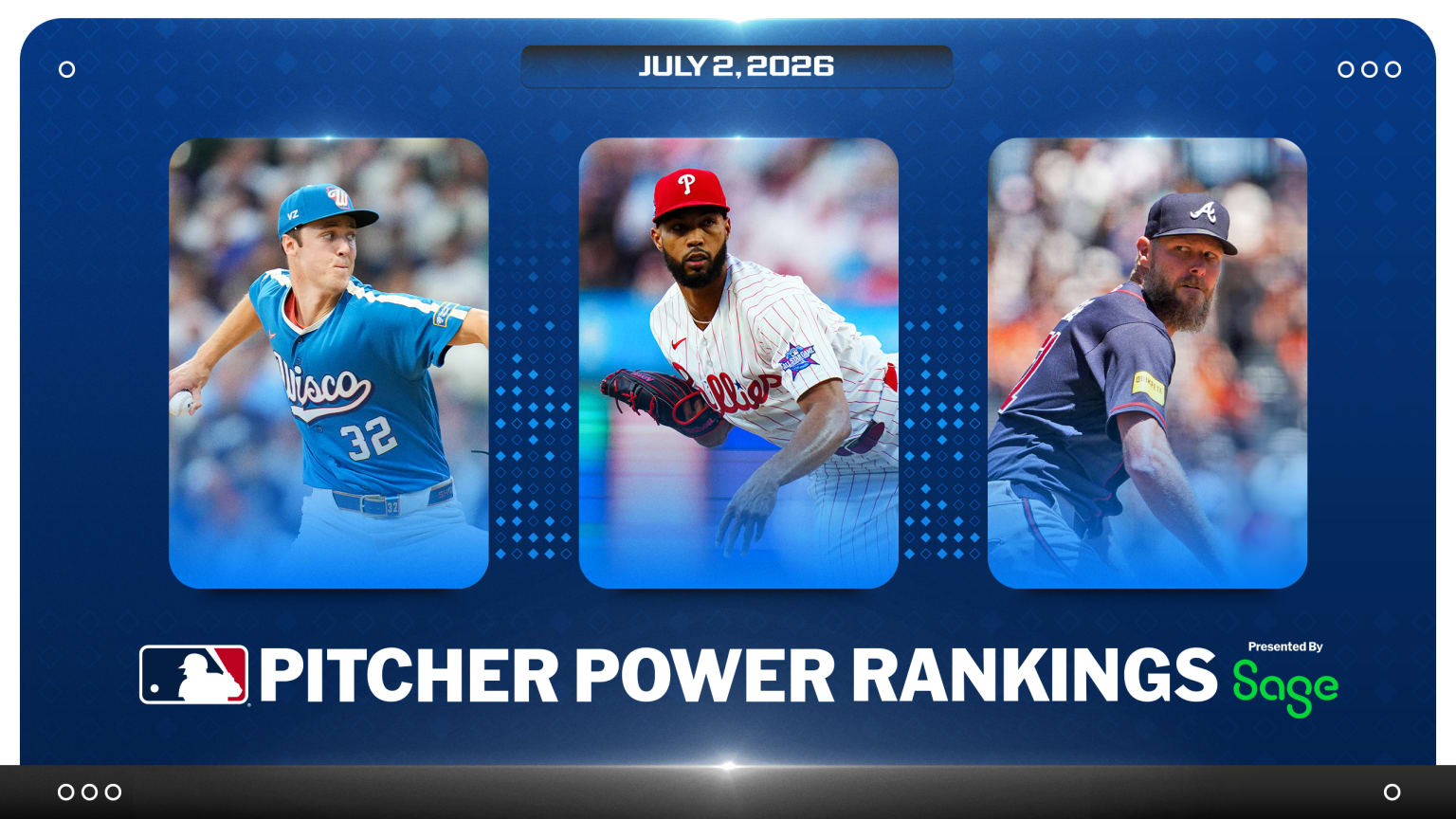
The national pastime will get a slate of national broadcasts over Fourth of July weekend, and this one should bring the … fireworks. Two longtime division rivals clash on Baseball Night in America, with Braves ace Chris Sale headlining the matchup. Sale is 8-6 with a 2.10 ERA and 109 strikeouts this season for the NL East leaders and is rocketing up our Starting Pitcher Power Rankings.
To end the weekend, we get a “Star-Spangled Sunday,” with NBC and Peacock broadcasting all 15 MLB games on the schedule throughout the day. Here, we’ll highlight the series finale between the Cardinals and Cubs, two classic NL Central rivals who are both in playoff contention. Ahead of their weekend clash, the Cubs are in the top NL Wild Card spot, while the Cardinals hold the third Wild Card spot.
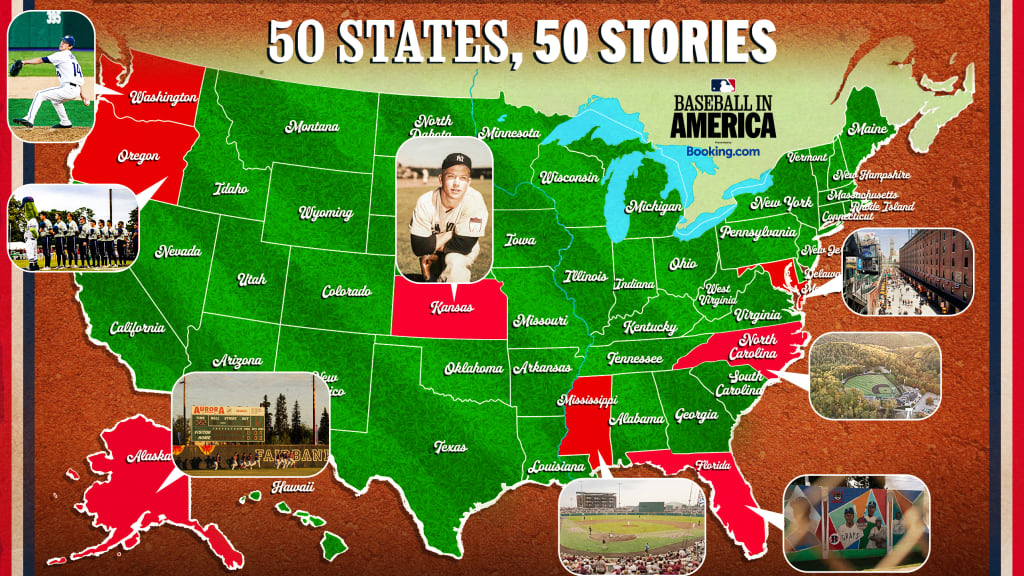
50 STATES, 50 STORIES: BASEBALL IN AMERICA
Fourth of July weekend is here, and in honor of the 250th birthday of the United States, we’re reflecting on the best stories of Baseball in America.
Baseball is America’s pastime for a reason, and each pocket of the country has its own unique connection to the sport. So this summer, we’re bringing you 50 stories from all 50 states.
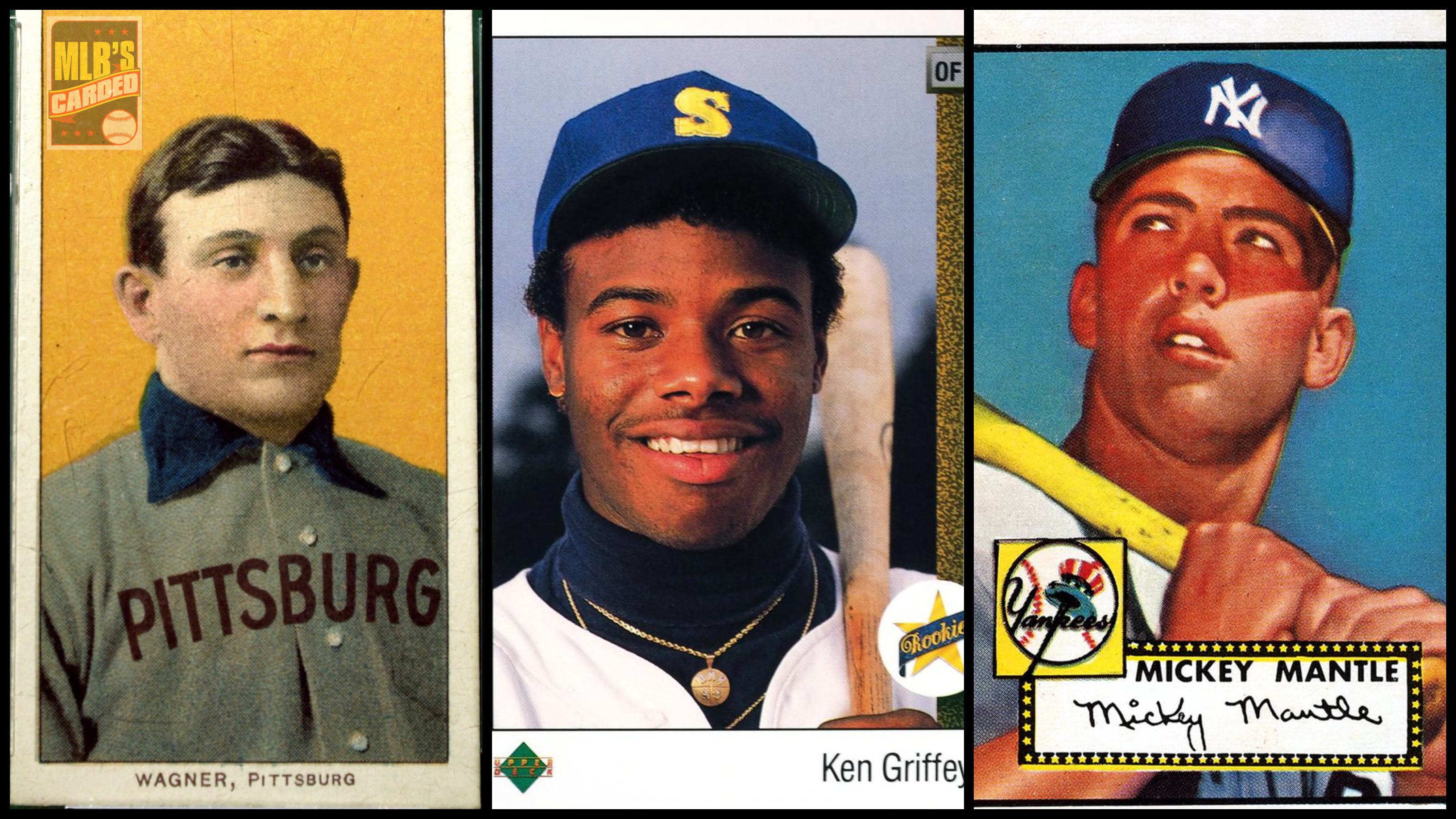
• One of the best bits of Americana has to be the baseball card. And spanning back through the generations, there are certain baseball cards that simply stand out — from the early-1900s T-206 Honus Wagner to the 1952 Topps Mickey Mantle to the 1989 Upper Deck Ken Griffey Jr. rookie card.
With an assist from none other than Bob Costas, we identified the most iconic baseball cards of every era. Check them out here >>
• Cubs hurler Jordan Wicks preserved a one-run lead for his second career save on Sunday. And then last night, Wicks helped Chicago hang on to a narrow 20-run victory with a three-inning outing vs. the Padres. Both outings counted as saves.
How rare is it to earn a save in a game your team won by 20? Thomas Harrigan has the details right here.