THIS DAY IN HISTORY
June 13, 1966
The U.S. Supreme Court issued its ruling in Miranda v. Arizona, establishing the “Miranda rights” for detained suspects. This ruling reinforced Fifth Amendment protections against self-incrimination.
The U.S. Supreme Court issued its ruling in Miranda v. Arizona, establishing the “Miranda rights” for detained suspects. This ruling reinforced Fifth Amendment protections against self-incrimination.


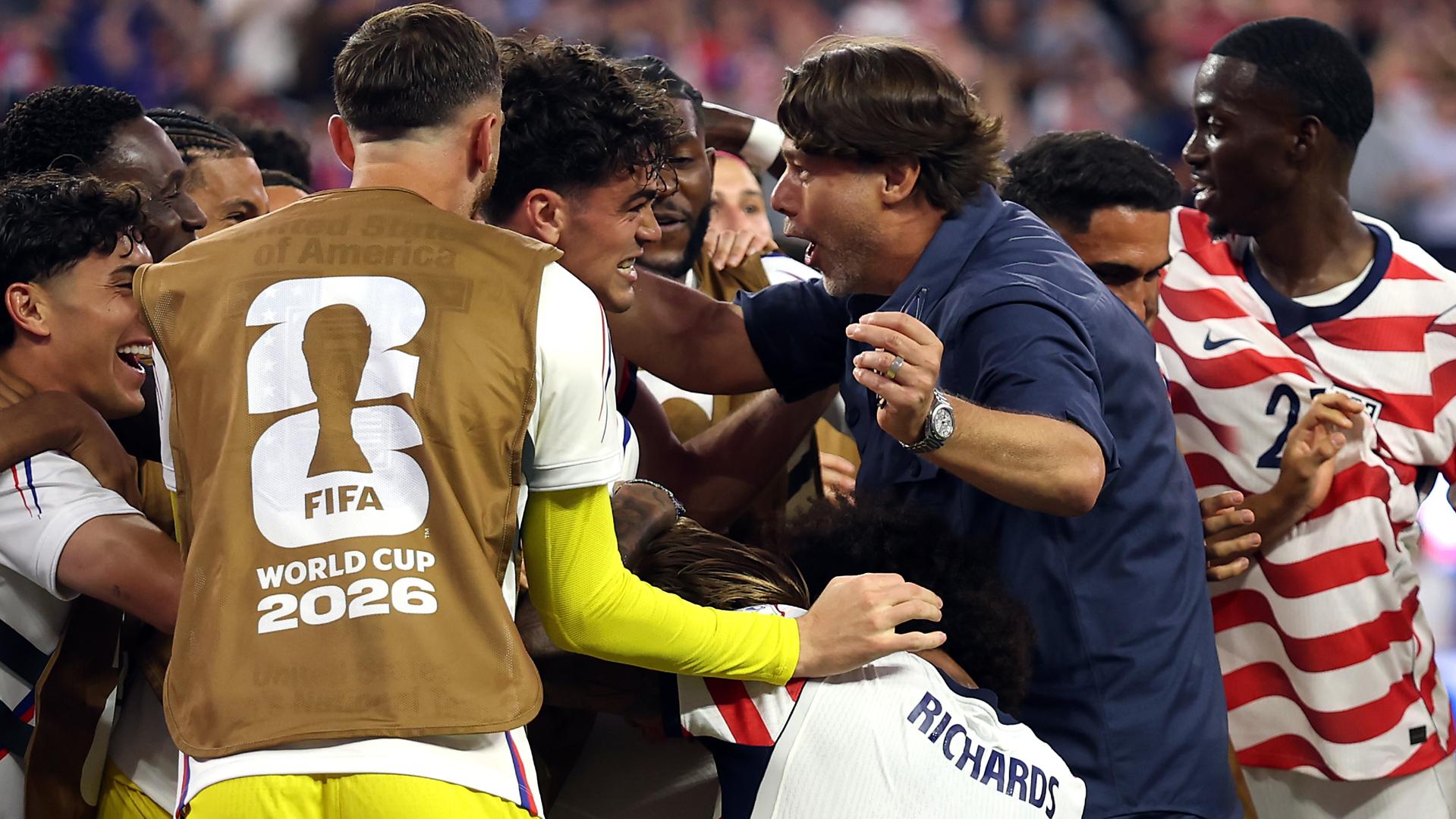
By Grey Whitebloom
Forget Christian Pulisic, Folarin Balogun or even Gio Reyna, Pochettino’s fiercest praise was directed at 70,492 people who didn’t get onto the pitch.READ MORE


By Grey Whitebloom
Mauricio Pochettino’s positivity doesn’t look quite so outlandish anymore.READ MORE
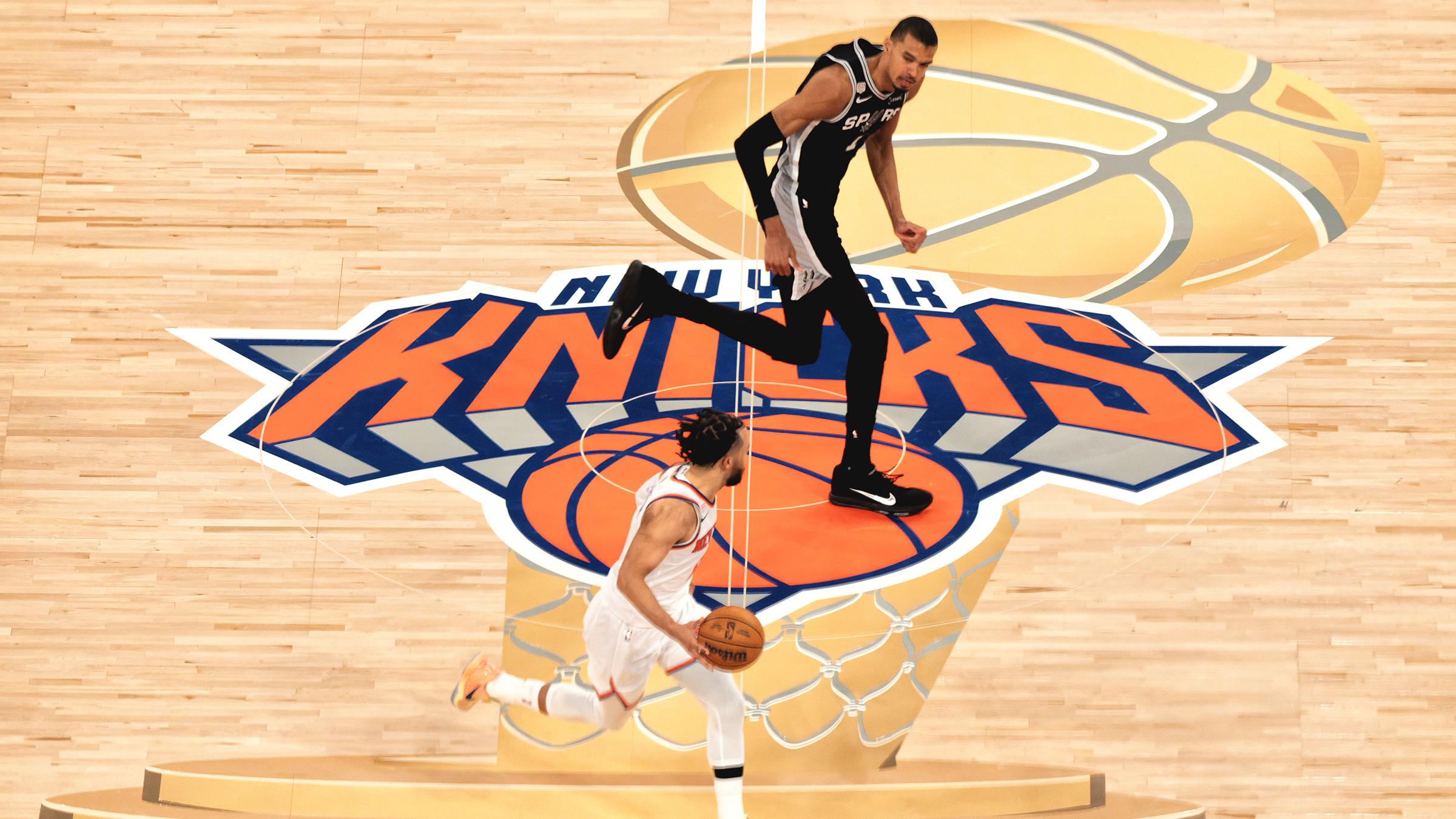
By Chris Mannix
Down 3–1 in the series and coming off a stunning loss, Victor Wembanyama says San Antonio “knows we’re going to do it.”READ MORE


Get the print edition of Sports Illustrateddelivered to your door.



We may receive compensation for some links to products and services included in this email.
Sports Publishing Solutions Inc.
625 Broadway, 10th floor
New York, NY. 10012
You are receiving this email because you are subscribed to the Sports Illustrated newsletter.
You can unsubscribe here .
Privacy Policy – Terms & Conditions
© 2026 Sports Publishing Solutions Inc. All rights reserved.
SPORTS ILLUSTRATED IS A REGISTERED TRADEMARK OF ABG-SI LLC.
All betting and gambling content included in the Sports Illustrated newsletter is intended for individuals 21+ (18+ in DC, KY, NH, RI, and WY). Betting and gambling content, including picks and predictions, are based on individual commentators’ opinions and we do not guarantee any success or profits. If you or someone you know has a gambling problem, crisis counseling and referral services can be accessed by calling 1-800-GAMBLER or texting 800GAM.
Click this link to view the newsletter in your browser.

Former SpaceX welder becomes a millionaire after historic IPOA decade after joining SpaceX as a welder, Juan Hernandez saw the value of his employee shares climb past $1 million following the company’s public debut. News for you, PeterPopular breakfast chain franchisee files Chapter 11 bankruptcyThe franchise dining sector has faced a challenging year, as several franchisees have filed for bankruptcy protection to r…TheStreet ICE’s detention policy won at the 5th Circuit. Then judges found another way to reject it.District court judges have ordered bond hearings or the release of ICE detainees more than 1,200 times since the appeals c…Politico Claire Danes Says Leonardo DiCaprio Told Her Not to Play With Prop Guns on ‘Romeo + Juliet …Claire Danes got some very valuable advice from a future Oscar winner. In her Variety Actors on Actors conversation with &…Variety Dwayne Johnson thought he had testicular cancer. It was actually this condition.Dwayne Johnson feared a painful testicular lump could be cancer, but doctors diagnosed epididymitis — a common, tre…Yahoo Life Thai Princess Bajrakitiyabha dies after more than three years in comaPrincess Bajrakitiyabha, the king’s eldest daughter, collapsed in December 2022 while exercising her dogs.BBC Pope Leo’s plane was grounded. Then the King of Spain stepped in to helpOn board the Iberia Airways flight taking Pope Leo XIV from Tenerife back to Rome, the captain made an announcement. A tec…CNN Mace says she’ll get ‘revenge’ on Trump by ‘adding to the unemployment num…Rep. Nancy Mace (R-S.C.) on Thursday quipped that her “revenge” on President Trump will be by including hers…The Hill The 400-year-old lesson for SpaceX investors: Chart of the DaySpaceX is facing a similar problem to the world’s first IPO in 1602.Yahoo Finance Ronnie Schell Dies: ‘Gomer Pyle: USMC’ Actor Was 94Ronnie Schell, a prolific TV character actor perhaps best known for his portrayal of the amiable Pvt. Duke Slater, pal of …Deadline Jerry Hall makes rare comment about ex Mick Jagger and their ‘odd’ blended familyThe model-actress shares four children with Jagger, as well as three grandchildren.Entertainment Weekly More like this
 Today’s gamePlay Crushable by Candy CrushPlay, match, and spark chain reactions!
 Trending now1. Nancy Guthrie2. Donald Trump3. Los Angeles Lakers4. SpaceX IPO5. Patriots News6. Kennedy Center7. Tren De Aragua Gang8. Ind vs. Afg9. Christian Pulisic10. David Hockney

Unsubscribe | Terms | Privacy Policy | Help
770 Broadway, New York, NY 10003
© 2026 Yahoo Inc. All rights reserved.
Having trouble reading this email? View it in your browser.


(14) Remind them of these things, charging them before the Lord not to strive about words to no profit, to the ruin of the hearers. (15) Be diligent to present yourself approved to God, a worker who does not need to be ashamed, rightly dividing the word of truth. (16) But shun profane and idle babblings, for they will increase to more ungodliness. (17) And their message will spread like cancer. Hymenaeus and Philetus are of this sort, (18) who have strayed concerning the truth, saying that the resurrection is already past; and they overthrow the faith of some.
New King James Version Change email Bible version
People in the congregation were getting into arguments about genealogies, meanings of words, and technicalities about the law of Moses. Paul called these arguments ungodliness. These arguers probably felt that they were more righteous than anyone else, but Paul calls it ungodliness. Why? Because of what it was producing: disorder and disunity. If it was producing disorder and disunity within the congregation, it was not producing an environment for growth. Peace had gone by the wayside.
Paul also says in verse 16 to “shun” those things. Shunning denotes walking away from someone or something, turning one’s back on it. These kinds of arguments do not produce the right kinds of fruit. To the contrary, Romans 14:17 says the Kingdom of God is represented by “righteousness and peace and joy in the Holy Spirit.”
This is an example of ungodliness within a congregation, but a more common application appears in a context like Romans 1:18, 28-32:
For the wrath of God is revealed from heaven against all ungodliness and unrighteousness of men, who suppress the truth in unrighteousness. . . . And even as they did not like to retain God in their knowledge, God gave them over to a debased mind, to do those things which are not fitting; being filled with all unrighteousness, sexual immorality, wickedness, covetousness, maliciousness; full of envy, murder, strife, deceit, evil-mindedness; they are whisperers, backbiters, haters of God, violent, proud, boasters, inventors of evil things, disobedient to parents, undiscerning, untrustworthy, unloving, unforgiving, unmerciful; who, knowing the righteous judgment of God, that those who practice such things are deserving of death, not only do the same but also approve of those who practice them.
Most of these behaviors and attitudes listed here as ungodliness are what we are more familiar with. They can also occur within a congregation of the church of God. In this context, though, we find the unholy marriage of idolatry with immorality—true ungodliness.
In the context of Titus 2:11-13, we can understand that when grace truly comes into a person’s life, the Christian will consciously repudiate and utterly reject ungodliness. It will not happen all at once, but if he or she is growing, the Christian will be moving precisely in that direction.
— John W. Ritenbaugh
To learn more, see:
Titus 2:11-14
Commentary copyright © 1992-2026 Church of the Great God
New King James Version copyright © 1982 by Thomas Nelson, Inc.


Subscription Information
This daily newsletter was sent to you at pahovis@aol.com because you subscribed at www.bibletools.org on Jan 30, 2011.
Email Preferences | Unsubscribe
Church of the Great God
P.O. Box 471846
Charlotte, NC 28247
803-802-7075


Saturday, June 13
TOP NEWS

On anniversary of big league debut, Miz makes history
In one of the best games ever pitched, Jacob Misiorowski put on a show. Facing the minimum 27 batters, he notched a career-high 15 K’s, allowed 1 hit and no walks and threw 58 of his 95 pitches over 100 mph.
13 facts and stats from Miz’s unforgettable start

Lawlar leads D-backs with 2 RBIs, sensational catch in return from IL

Miz’s gem joins greatest 1-hitters in MLB history

With Judge out, the AL MVP race is wide open

First-place White Sox keep rolling in playoff-like atmosphere at The Rate

Henderson hammers 100th career HR, joining elite O’s company

MVP Yordan? Slugger makes history with two homers, 6 RBIs in 1st inning

Alcantara becomes 5th active Dominican-born pitcher to reach 1,000 K’s

Kirk boosts Blue Jays’ offense with 3 hits in return from IL

Miller twirls ‘one of the better performances we’ve seen all year’ in a career first

Bichette’s HR barrage helps Mets top 1st place Braves
ADD MLB AS YOUR PREFERRED SOURCE ON GOOGLE
TOP PERFORMANCES


Longest Home Run
Nick Kurtz
471 ft
5th Inning

Hardest Base Hit
Seiya Suzuki
112.9 mph
4th Inning

Fastest Strikeout
Jacob Misiorowski
104.5 mph
1st Inning

Decisive Play
Rockies
40.8% WPA
6th Inning

0.17 ERA in his last 8 starts, lowest ERA in that span since 1913

3rd player in Astros history to hit 2 HRs in an inning

1st Blue Jay to homer into the 3rd deck in Toronto since 2017
5th game with 3+ hits this season; 21 homers in his last 45 games
2nd time this season homering twice in the first 2 innings
PLAY A SPORCLE BASEBALL QUIZ!

MUST-SEE PLAY

Guardians shortstop Brayan Rocchio went all out — into left field — for this catch.
STAFF PICKS

Tyler Rogers has MLB’s slowest fastball — yet hitters are late on it more than any other pitch across the game.
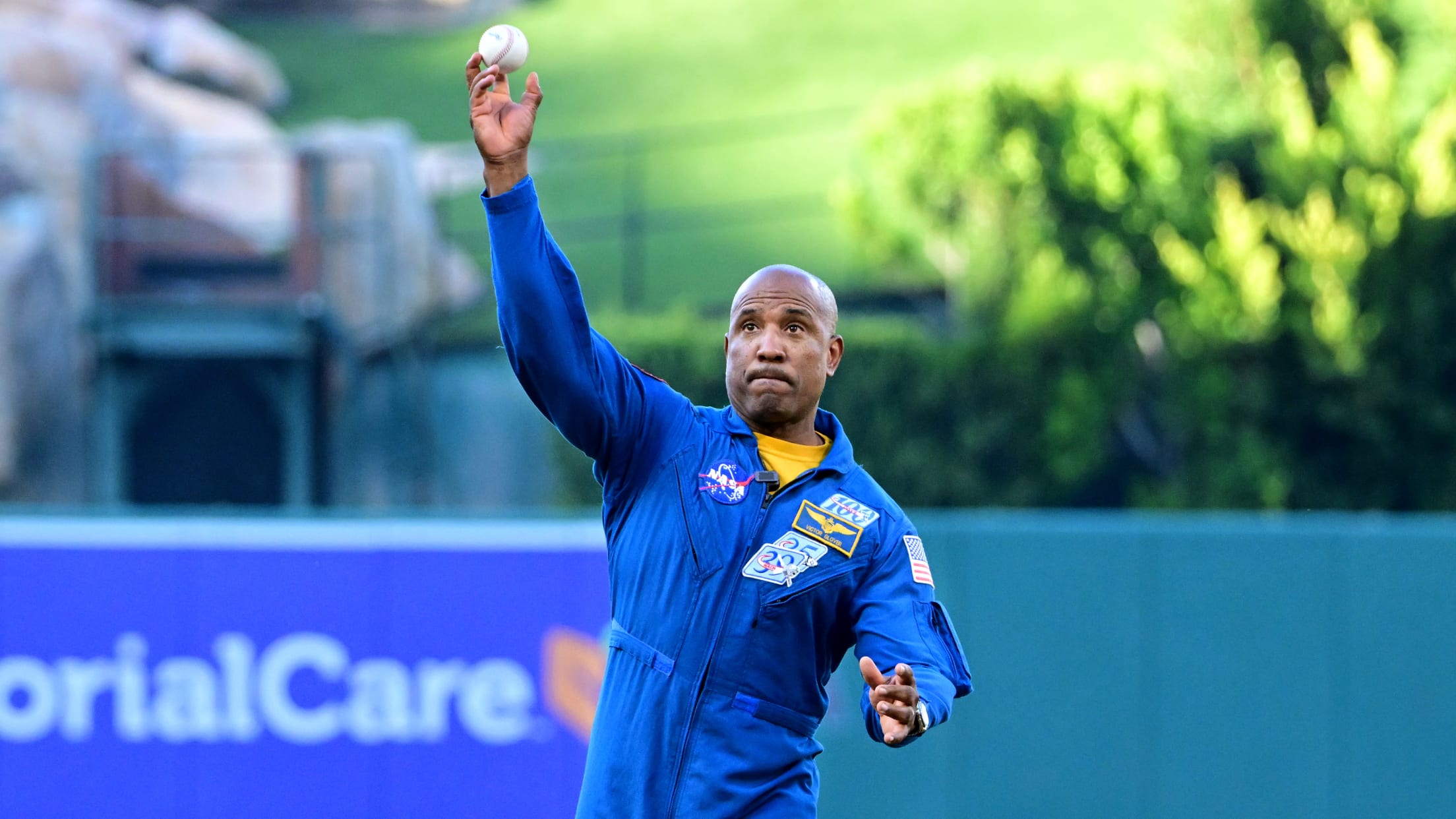
Decorated Navy captain, astronaut and combat veteran Victor Glover Jr. has been in many perilous situations. But he admitted to nerves throwing a first pitch to Mike Trout last night.
After Bo Bichette homered in the first inning last night, he donned a cool Spider-Man mask. Bichette then turned into a real superhero by hitting a grand slam next time up and, yes, he wore the mask again.

MLB is collaborating with four drive-in movie theaters in the U.S. to provide Americans with a new way to cap off Independence Day celebrations, with the MLB Summer Drive-In presented by Ford. Select locations will bring together baseball and cinema on the Fourth of July to celebrate the nation’s birthday.

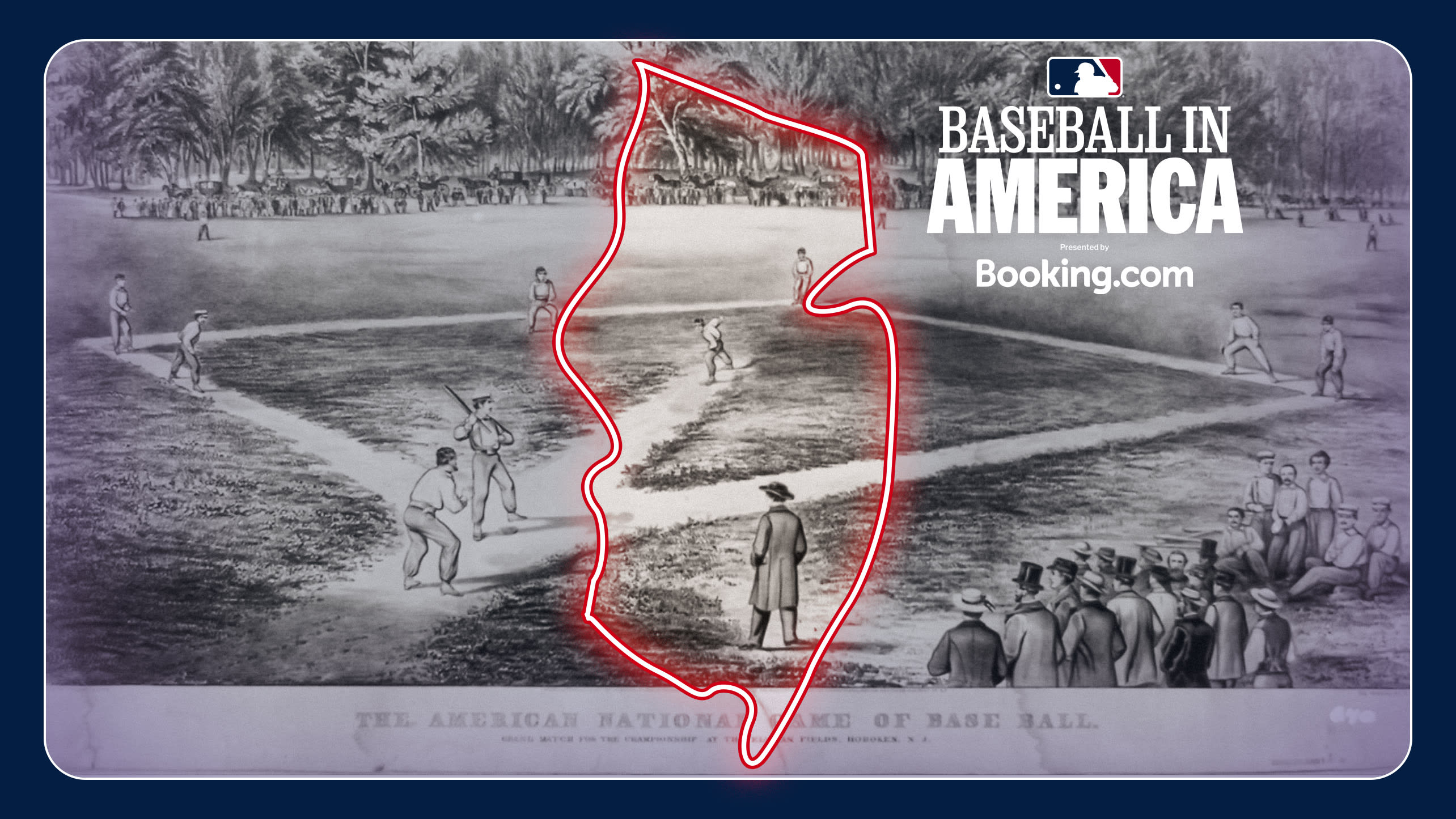
At the intersection of Washington and 11th Streets in Hoboken, N.J., a marker and four street corners commemorate one of the most important events in baseball history — one that took place 180 years ago.
The Cardinals take on the Twins at 2 p.m. ET, followed by the conclusion of the Dodgers and White Sox (or Mets vs. Braves at 4). Then, wrap up the evening with the Angels and Rays at 10 (or Giants vs. Cubs).

SCOREBOARD

MIA 8
PIT 3

SEA 10
WSH 2

SD 3
BAL 7

DET 2
CLE 3

TEX 1
BOS 10

AZ 5
CIN 2

ATL 5
NYM 7

NYY 5
TOR 8

LAD 2
CWS 8

PHI 0
MIL 6

HOU 10
KC 8

STL 8
MIN 9

TB 3
LAA 4

COL 4
ATH 6

CHC 5
SF 1


© 2026 MLB Advanced Media, L.P. MLB trademarks and copyrights are used with permission of Major League Baseball. Visit MLB.com. Any other marks used herein are trademarks of their respective owners.
Please review our Privacy Policy.
You (pahovis@aol.com) received this message because you registered to receive commercial email messages from MLB.com.
Please add info@marketing.mlbemail.com to your address book to ensure our messages reach your inbox. If you no longer wish to receive commercial email messages from MLB.com, please unsubscribe or log in and manage your email subscriptions.
Postal Address: MLB.com, c/o MLB Advanced Media, L.P., 1271 Avenue of the Americas, New York, NY 10020.


Learn More About Madonna of the Rosary

Today’s Night Prayer is brought to you by Truthly
Catholic “AI for good.” Instant answers and guidance to any question or problem. Try free for 7 days.
Jesus Christ, my God, I adore You and thank You for all the graces You have given me this day. I offer You my sleep and all the moments of this night. I place myself and all my loved ones, wherever they may be, in Your sacred side and under the mantle of Our Blessed Mother. Let Your holy angels stand watch and keep us in peace. Amen.

“Once the demands of necessity and propriety have been met, the rest that one owns belongs to the poor.” -Pope St. Leo III

In order that abandonment might be authentic and engender peace, it must be total. We must put everything, without exception, into the hands of God, not seeking any longer to manage or ‘to save’ ourselves by our own means: not in the material domain, nor the emotional, nor the spiritual. … all reality that we have not surrendered to God, that we choose to manage by ourselves without giving carte blanche to God, will continue to make us more or less uneasy. The measure of our interior peace will be that of our abandonment.
An excerpt from Searching For and Maintaining Peace: A Small Treatise on Peace of Heart
With over 250,000 downloads, Truthly is the Catholic AI app built to help you navigate the internet faithfully. Ask anything. Get answers you can trust — grounded in truth, not trends.
Here’s what you can do with Truthly:
Truthly is the fastest growing Catholic startup in the world, built in partnership with trusted Catholic voices like Matt Fradd and Lila Rose.
Start your free 7-day trial.
No commitment. Cancel anytime.


Sacred Heart Wooden Wall Plaque


The daily examination of conscience is an ancient Catholic practice. It’s very simple, and it’s designed to help us identify our sins and weaknesses so that we can improve and grow stronger in the spiritual life, while providing an excellent ongoing preparation for regular Confession. It consists of taking a few minutes at the end of the day to prayerfully review our actions in the light of God’s commandments, followed by the Act of Contrition.
Actively reflecting on the high and low points of the day can help you live more intentionally and bring a renewed sense of resolve into the following day.
O my God, I am heartily sorry for having offended Thee, and I detest all my sins because of Thy just punishments, but most of all because they offend Thee, my God, Who art all good and deserving of all my love. I firmly resolve with the help of Thy grace to sin no more and to avoid the near occasions of sin. Amen.
It is God’s love that has brought you into existence and to this exact moment. Practice looking for His hand in your day.
Remember: our Faith is founded upon a Person—Christ! Renew your personal love and devotion to Him.
My people will abide in a peaceful habitation, in secure dwellings, and in quiet resting places. — Isaiah 32:18


Want to help your organization reach 2.6 million Catholics? Click here to consider sponsoring future Night Prayers!


Please add NightPrayer@goodcatholic.comto your address book or list of approved senders.
Unsubscribe | Privacy Policy | Contact Us
Can’t see this email? View in Your Browser

A service of the Network
615 E Westinghouse Blvd Charlotte, North Carolina 28273 US
© 2026 Trinity Road, LLC. All rights reserved.
TODAY IN HISTORY U.S. President Ronald Reagan challenges Soviet leader Mikhail Gorbachev to “tear down” the Berlin Wall. 1987


Follow @FlipboardSee More in The Daily EditionDownload App




1,000,000,000,000 by any other name NBC News · NBC Staff A trillion in words and graphics.

Stay informed and inspired!
Download Flipboard to get the latest news and stories on the topics you care about.


Happy Straight Pride Month! LGBTQ Nation · Shaley Howard Wait… let me double check my notes.





Was this sent to you by a friend? For more like it, subscribe here.BLOG · CAREERS · ADVERTISEUpdate your email preferences or unsubscribe here.View our privacy policy here.©2026 Flipboard, Inc. Made with love at 555 Bryant St #352 Palo Alto, CA 94301

















Previewing The 2026 24 Hours Of Le Mans From An IMSA Viewpoint
24 Hours Of Le Mans
Spotters Guide
Vanthoor, BMW M Team WRT To Lead Field From 24 Hours Of Le Mans Pole
Detroit Podium Boosts Wayne Taylor And Cadillac WTR Heading To Le Mans
AO Racing Seeks Smooth Run For “Rockie” In Le Mans Win Defense Effort
13 Autosport Wiser, Better Prepared Ahead of Sophomore Le Mans Outing
International Motor Sports Association, LLCOne Daytona Blvd.Daytona Beach, FL 32114UnsubscribeUpdate Profile | About our service providerSent by insider@imsa.com

DAN GARTLAND
Good morning, I’m Dan Gartland. I can’t think of a better way to watch the opening game of the World Cup than what I did yesterday: in a barbershop where I was the only one who didn’t speak Spanish, absorbing maybe 40% of everyone’s arguments about who was going to win the tournament.
🇲🇽 Mexico’s joyous opening victory
James Guillory/Imagn Images
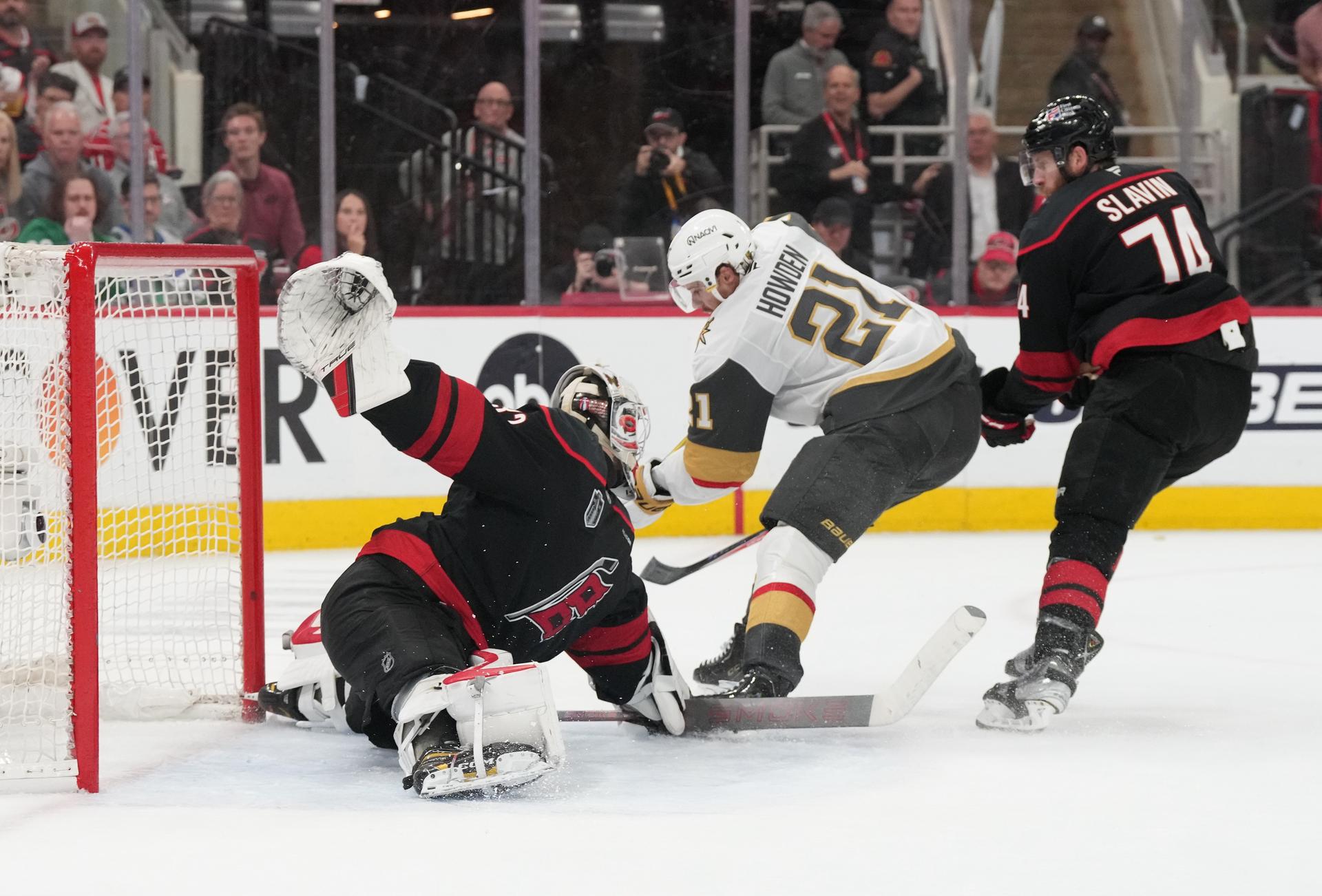
The Hurricanes are on the cusp of their first Stanley Cup championship in 20 years, and they can thank a rookie goaltender.
Carolina won Game 5 against the Golden Knights on Thursday, 4–2, to take a 3–2 lead in the series and will lift the Cup if they can win Game 6 on Sunday in Vegas.
The win marked the second straight win for Carolina after a heartbreaking double overtime loss in Game 3. That was when the Canes decided to make a switch at goalie.
Veteran Frederik Andersen started the first 16 games of the postseason for Carolina and was mostly pretty good, posting one shutout in each of the team’s first three series. But he was less sharp in the Final, giving up five goals on 23 shots in Game 1 and three goals on 26 shots in Game 2. Game 3 was especially rough for Andersen, as he allowed four goals in the second period. When the Canes took the ice for the third period, Andersen was replaced by Brandon Bussi.
The 27-year-old rookie rose to the occasion and stood tall as Carolina pulled off an incredible comeback (scoring three goals in 39 seconds) to tie the game. Bussi did allow the winning goal in double overtime, but he played well enough (stopping 18 of the 19 shots he faced) to earn the starting nod in Games 4 and 5.
Going with Bussi was a bold choice by Carolina coach Rod Brind’Amour. When he was called upon for surprise mop-up duty in Game 3, it was Bussi’s first game action in nearly two months. He’d never played in a playoff game before. Now, he’s the first goalie in NHL history to make his first two career playoff starts in the Stanley Cup Final and win both. Andersen, meanwhile, did not dress for Game 4 or 5. Third-stringer Pyotr Kochetkov served as Bussi’s backup, and the Canes also called up Amir Miftakhov from the AHL to be the third goalie.
It’s usually a bad sign when a team needs to shuffle its goalies in a playoff series, but Bussi has risen to the occasion and now needs to lead the Canes to just one more win before he can become one of the most unlikely goaltenders to win a Stanley Cup.
Junfu Han/Imagn Images
Contenders all across MLB will be keeping a close eye on tomorrow’s Tigers-Guardians game.
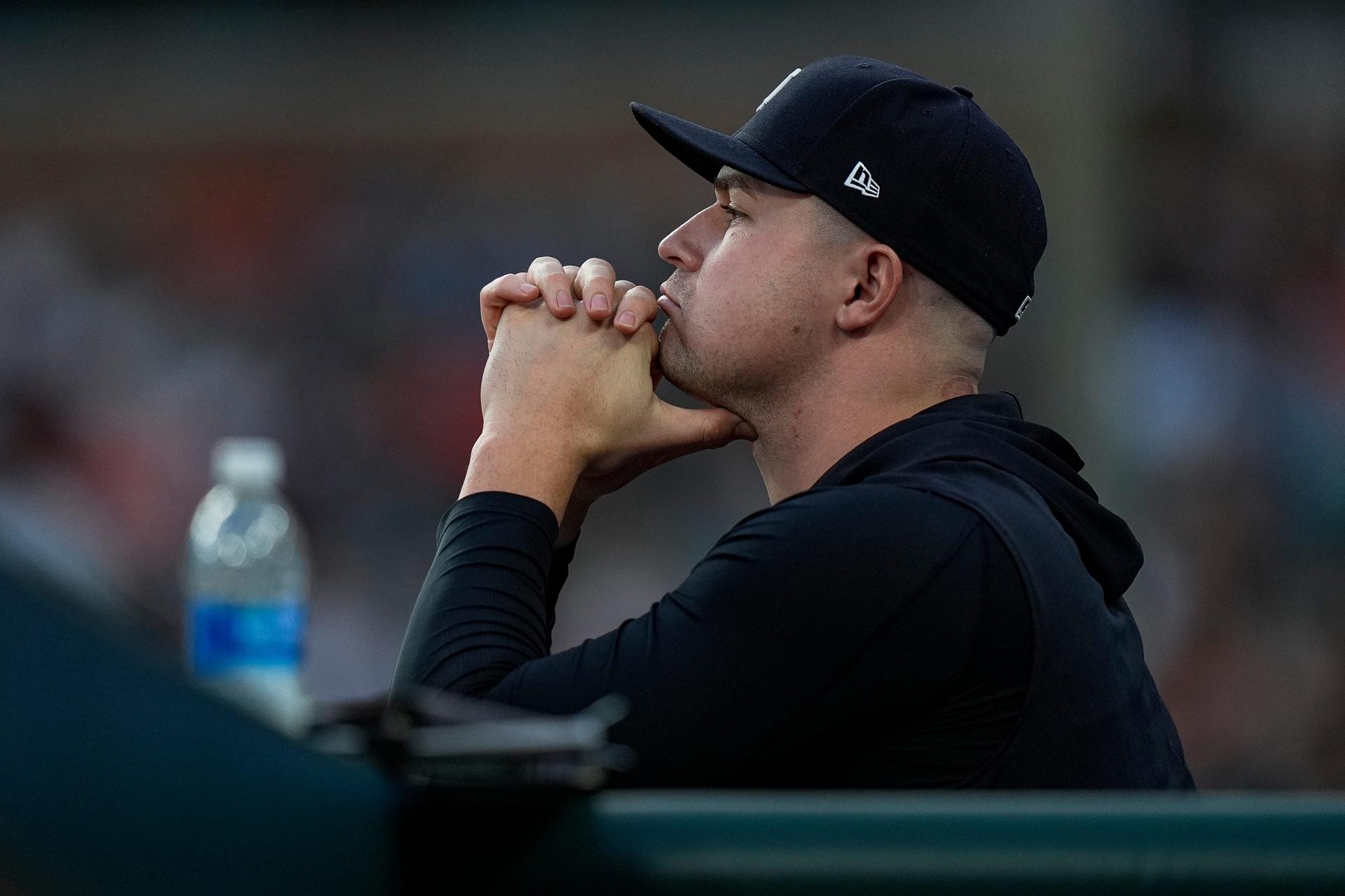
Back-to-back Cy Young winner Tarik Skubal is set to make his first start in six weeks after recovering from surgery to remove loose bodies from his pitching elbow. Skubal had the operation just 38 days ago.
The Tigers have taken a nosedive since Skubal’s injury. They were 15–16 after he made his last start and have gone 14–24 since. They’re in fourth place in the AL Central, eight games behind the first-place White Sox. (Yes, the White Sox are in first place.)
Skubal is set to become a free agent this offseason and has long been viewed as a likely trade candidate. The injury cast some doubt on whether he’d be moved before the deadline, but his relatively quick return gives him plenty of time to prove to potential suitors that he’s worth surrendering a haul of prospects to acquire.
The other thing about the timing of Skubal’s return is that it gives the Tigers more time to close the gap in the Central. This year’s trade deadline isn’t until Aug. 3. The return of Skubal and No. 2 starter Casey Mize, who hasn’t pitched since suffering a groin injury on May 27, will give Detroit a boost it sorely needs. Mize is expected to start on Sunday in Cleveland. If they can help get the Tigers back in the postseason hunt, then Skubal and Mize will be valuable pieces down the stretch. If the Tigers are still languishing by the time the deadline comes, then both might be finishing the season elsewhere.
Get the print edition of Sports Illustrateddelivered to your door.
Kaz Photography/Getty Images
… things I saw yesterday:
5. A sweet diving catch by Pete Crow-Armstrong.
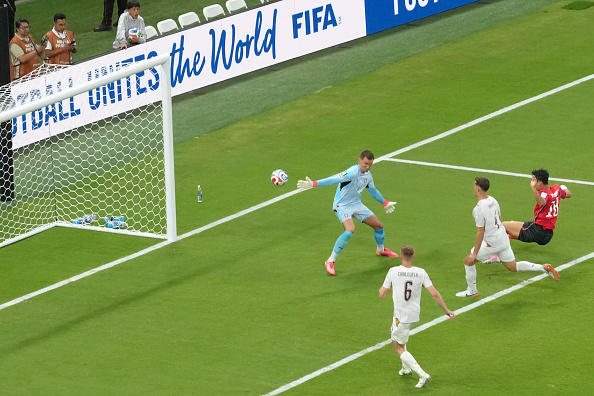
4. Oh Hyeon-gyu’s late game-winning goal for South Korea against Czechia.
3. Ladislav Krejcí’s opening goal for Czechia on a long throw-in.
2. Reds prospect Kien Vu’s walk-off steal of home.
1. The South African TV crew’s reaction to their team’s loss to Mexico in the opening game of the World Cup.

A weekly spotlight on the biggest stories and in-depth reporting of women’s basketball—from compelling athlete features to sharp commentary on the latest news and scores.CLICK TO SUBSCRIBE
We may receive compensation for some links to products and services included in this email.
Sports Publishing Solutions Inc.
625 Broadway, 10th floor
New York, NY. 10012
You are receiving this email because you are subscribed to the SI:AM newsletter.
You can unsubscribe here .
Privacy Policy – Terms & Conditions
© 2026 Sports Publishing Solutions Inc. All rights reserved.
SPORTS ILLUSTRATED IS A REGISTERED TRADEMARK OF ABG-SI LLC.
All betting and gambling content included in the SI:AM newsletter is intended for individuals 21+ (18+ in DC, KY, NH, RI, and WY). Betting and gambling content, including picks and predictions, are based on individual commentators’ opinions and we do not guarantee any success or profits. If you or someone you know has a gambling problem, crisis counseling and referral services can be accessed by calling 1-800-GAMBLERor texting 800GAM.
Click this link to view the newsletter in your browser.
Have a WordPress.com account? Log in now.

